Live webcams in Dubna
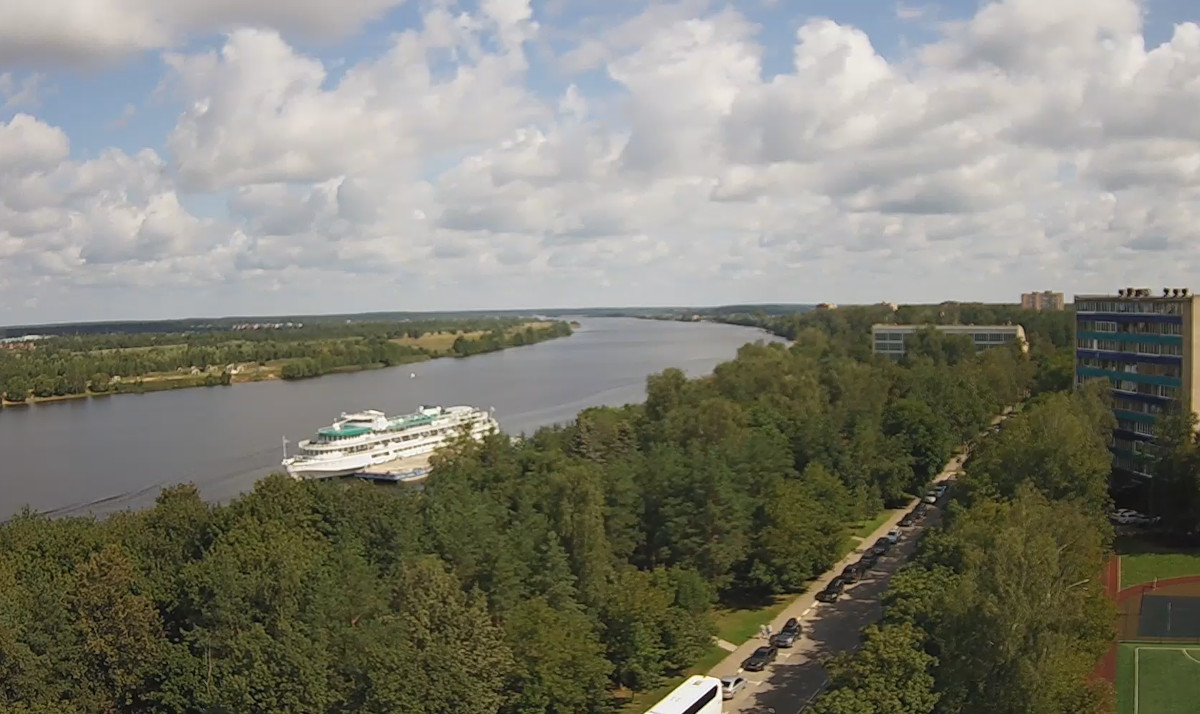
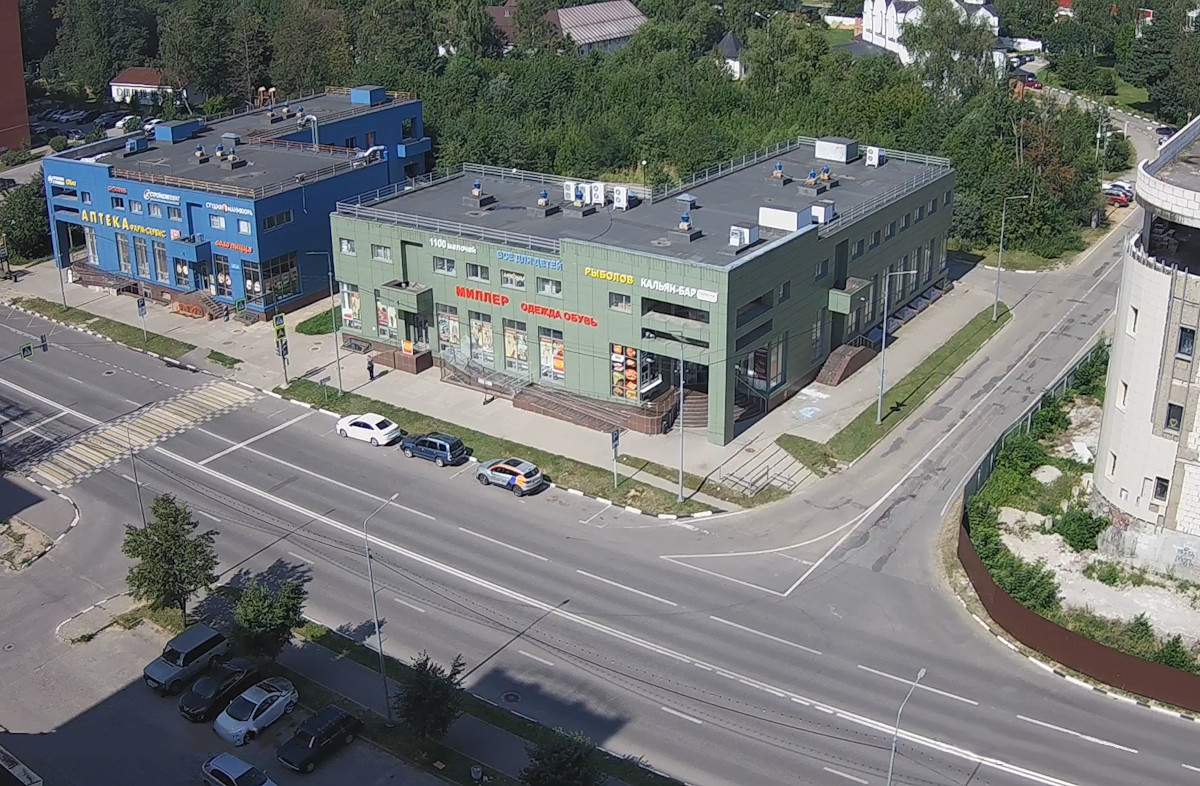
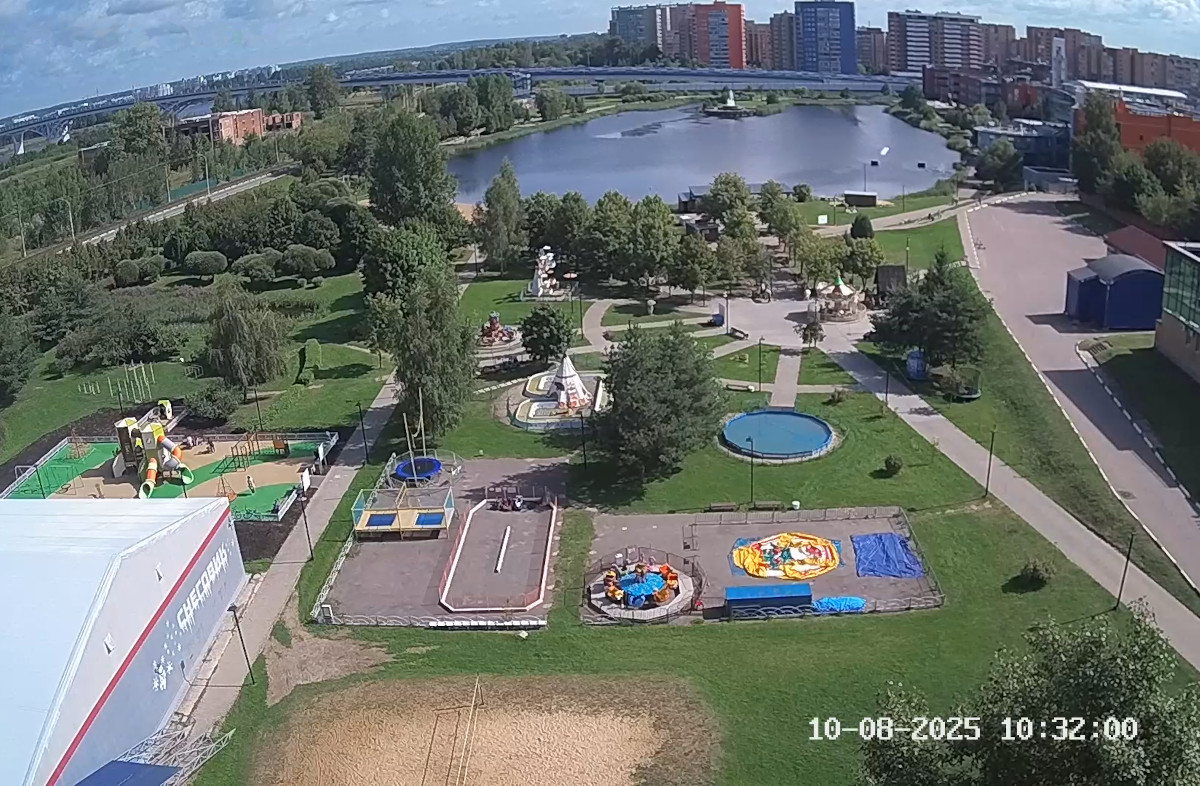
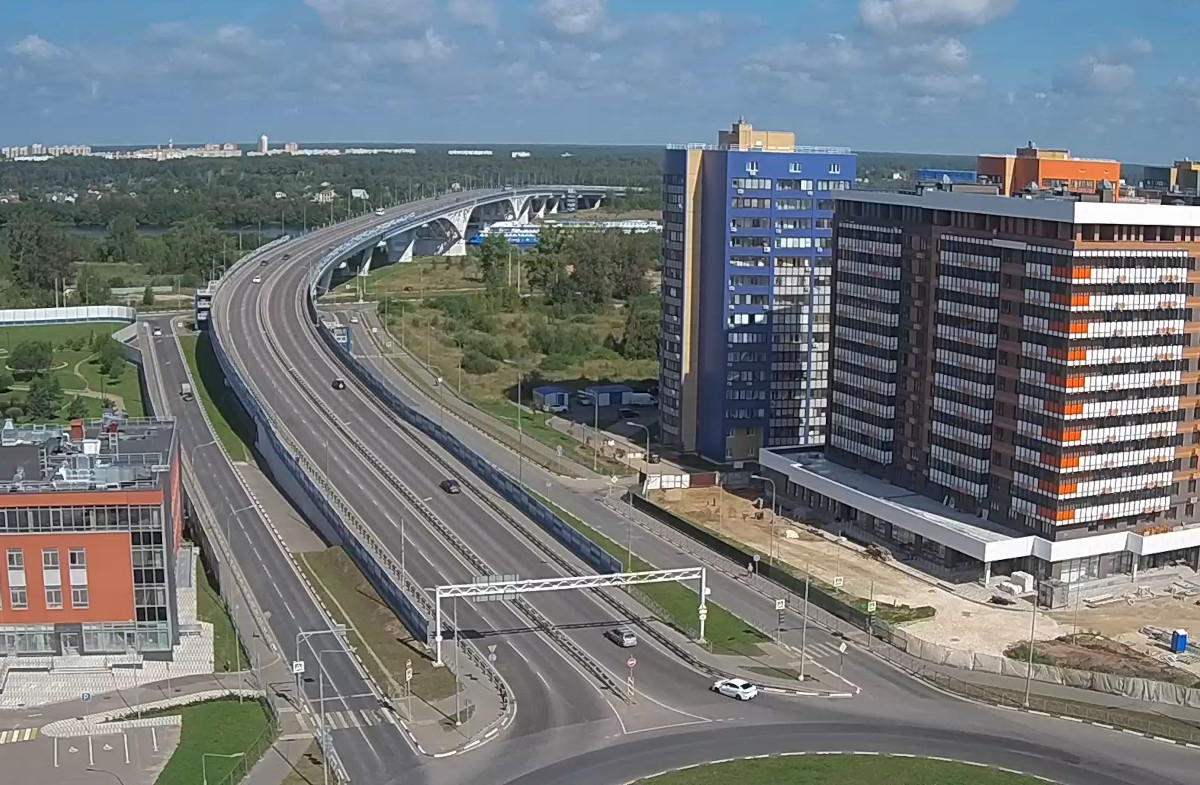
Discover Dubna, a dynamic science city and cultural gem in northern Moscow Region, through live webcams. These live webcams stream real-time views of the city’s streets, squares, churches, hotels, parks, riverfronts, and landmarks. Enjoy panoramic views and check live weather updates in Dubna from anywhere in the world. Some streams also include live sound. An interactive map shows the location of each webcam across Dubna.
About Dubna
Dubna, a leading Russian center for nuclear physics research, is a designated science city and the administrative hub of the Dubna Urban District. Situated on both banks of the Volga River, it is bordered by the Dubna and Sestra Rivers, the Moscow Canal, and the Ivankovo Reservoir. The city lies 145 km north of Moscow, adjacent to Tver Region’s Konakovo and Kimry Districts and Moscow Region’s Taldom District. As of 2023, Dubna’s population is 74,193, with a total area of 6,336 hectares, including 1,090 hectares of water and 1,490 hectares of forest.
First mentioned in 1134 as an ancient Russian settlement, modern Dubna was founded on July 24, 1956, as a scientific hub. In 1937, the Ivankovo Hydroelectric Station and Moscow Canal were built to supply Moscow with Volga water. In 1947, the secret Institute of Nuclear Problems was established, followed by the Joint Institute for Nuclear Research (JINR) in 1956, a global center for physics research. Dubna earned science city status in 2001. Today, it’s also a thriving industrial and IT hub, with companies like GosMKB Raduga producing aviation systems and Tensor manufacturing equipment for nuclear energy. The Dubna Technopark, Russia’s largest special economic zone by resident companies, drives innovation.
Climate
Dubna’s temperate continental climate features distinct seasons, moderated by nearby water bodies like the Volga and Dubna Rivers, resulting in higher humidity and stable daily temperatures. July, the warmest month, averages 17.8°C, while January, the coldest, averages -10.7°C. Extreme temperatures have ranged from 38°C to -47°C. Annual precipitation is about 783 mm, with snow cover from November to early April, sometimes late March.
Top Attractions in Dubna
Dubna blends scientific prestige with rich cultural and natural attractions, making it a must-visit destination. Explore its historic and modern landmarks:
— Lenin Monument: One of the world’s largest, this 37-meter-tall statue (25-meter figure) was erected in 1937 by the Moscow Canal. A former Stalin monument opposite it was removed in 1961.
— Ivankovo Hydroelectric Station Dam: Built in 1937, this dam, part of the Ivankovo Reservoir (“Moscow Sea”), powers the Moscow Canal and connects the city’s two banks.
— JINR Museum of Science and Technology History: Located at 6/2 Flerova Street, this museum highlights Dubna’s role in nuclear physics, showcasing JINR’s global contributions.
— Dubnium Stella: A striking art installation on Novoye Highway, symbolizing the 105th element, dubnium, named after the city, and a popular photo spot.
— Mendeleev Embankment: A scenic Volga River promenade named after chemist Dmitry Mendeleev, featuring monuments to Mendeleev and M.G. Meshcheryakov, a Solar System model, walking paths, and the 40th Anniversary of Victory Memorial.
— IL-2 Aircraft Monument: A real IL-2 attack aircraft on a pedestal at Boldyreva and Akademika Baldina Streets, honoring WWII pilots.
— Nine-Meter Chair: A whimsical 9-meter-tall wooden chair on Priborostroiteley Street, symbolizing Dubna’s openness and hospitality.
— Great Volga Lighthouse: A navigational beacon at the Moscow Canal’s start, marking a key landmark along the Volga.
— Vysotsky Monument: A tribute to poet and performer Vladimir Vysotsky, located in a park near the Mir Palace of Culture, close to Mendeleev Embankment.
Dubna’s blend of scientific heritage, cultural landmarks, and natural beauty makes it a captivating destination. Plan your virtual or in-person visit today!