Hungary Live Webcams
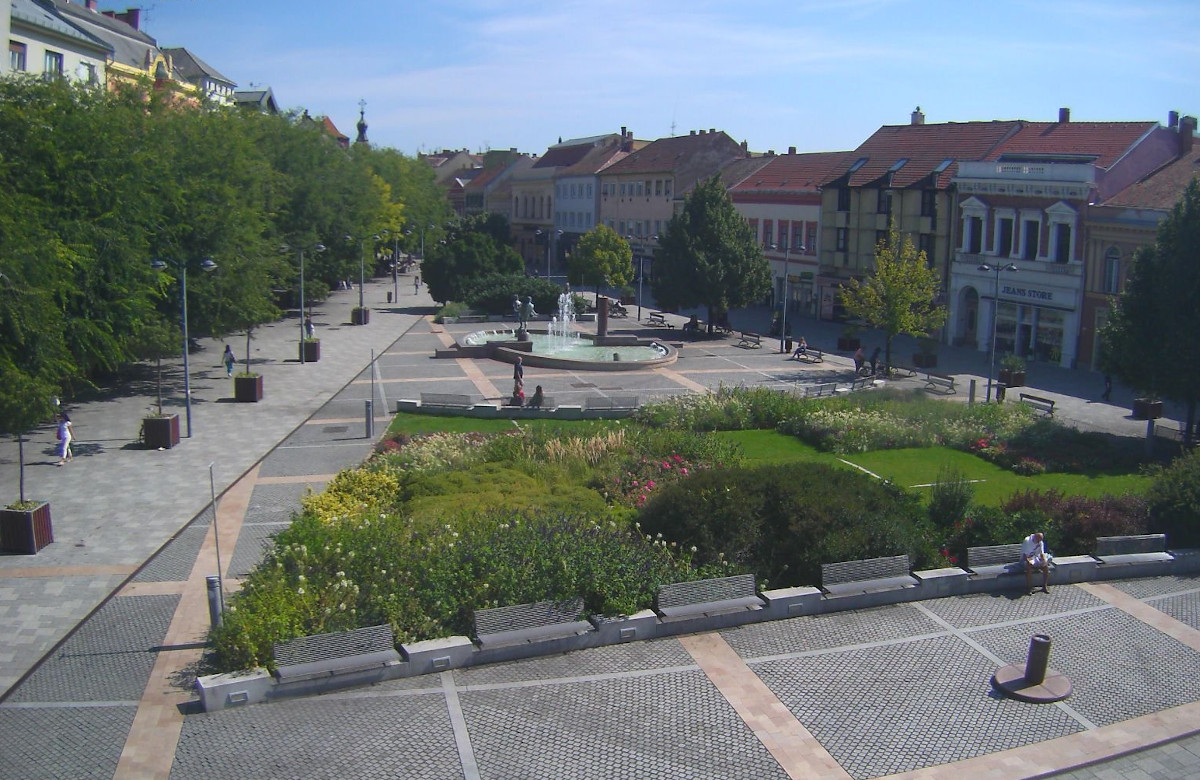
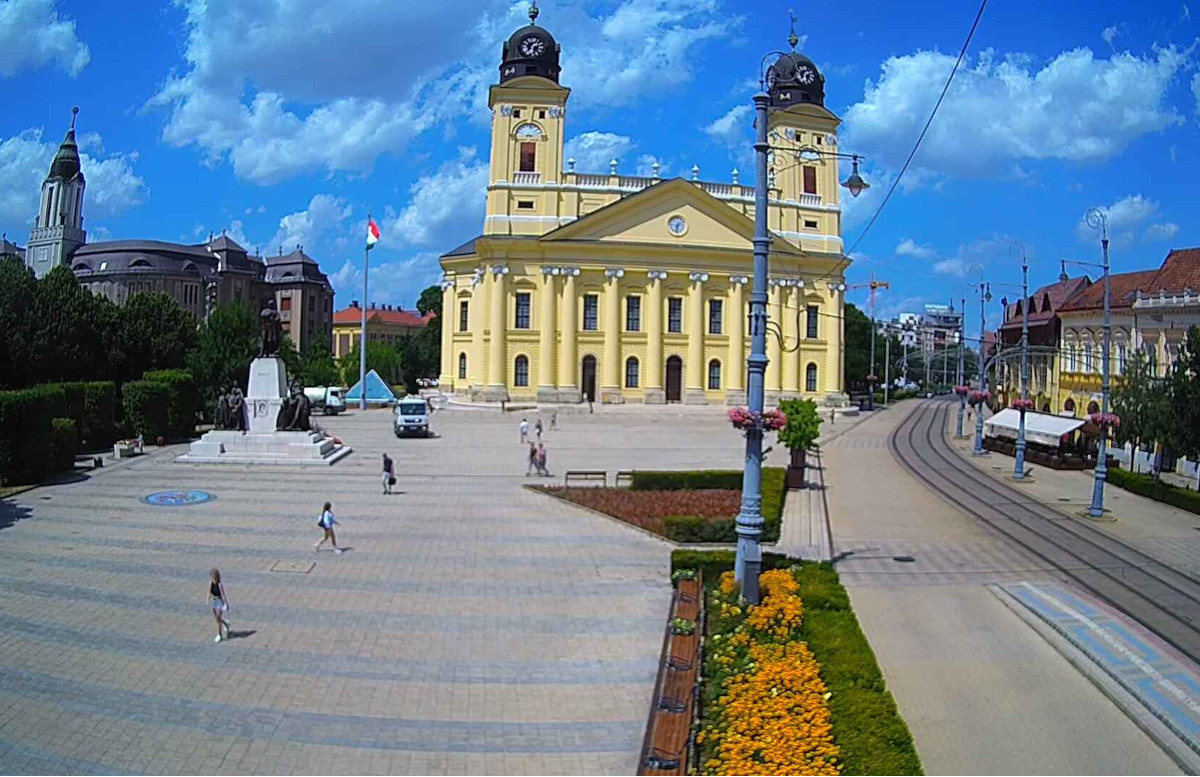
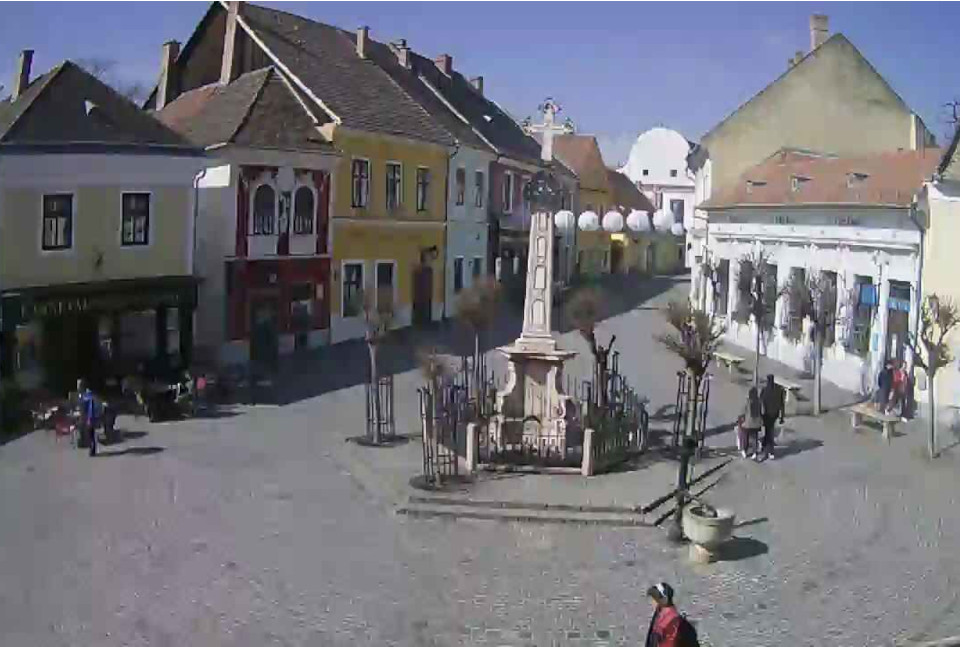
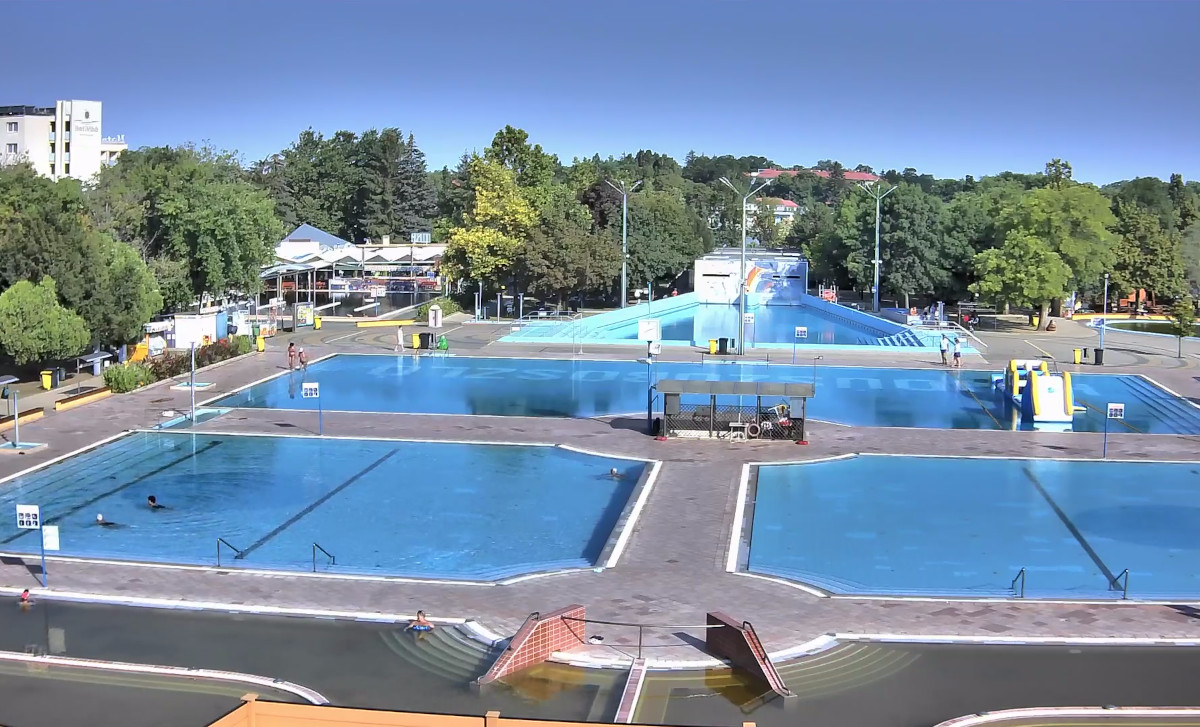
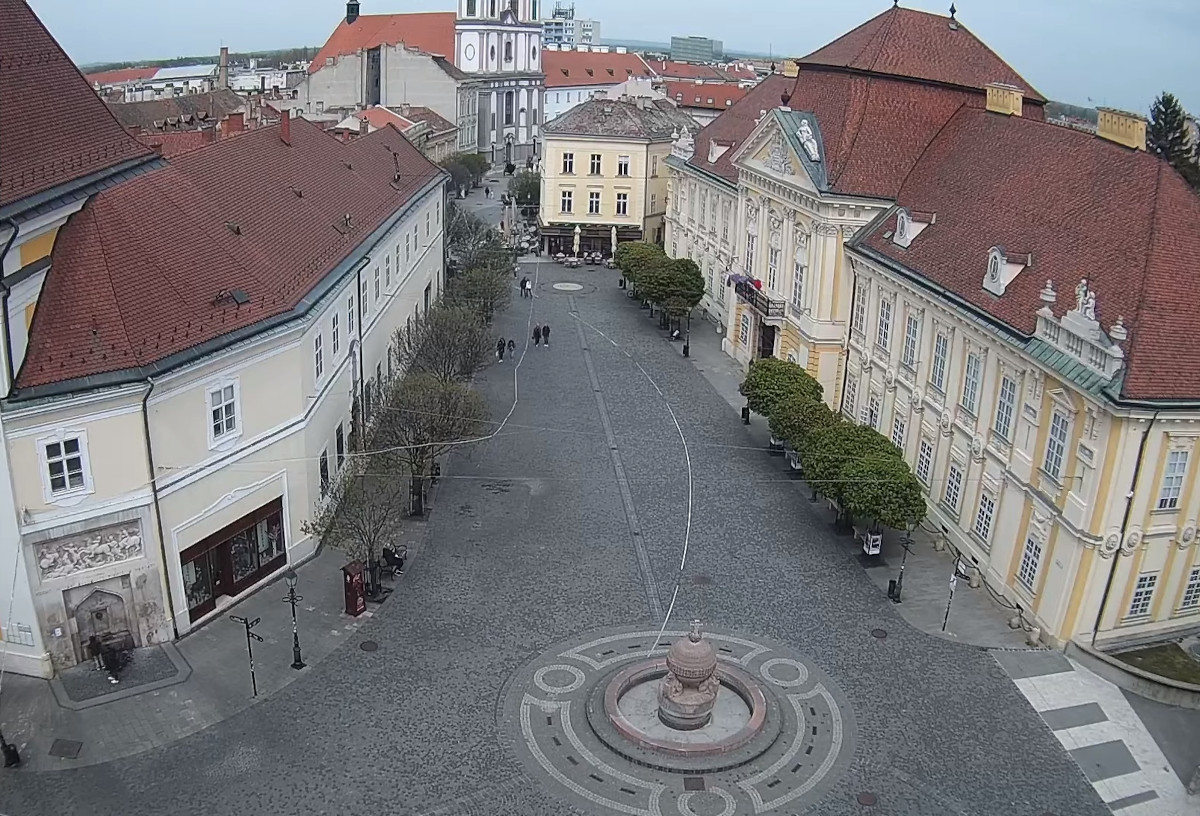
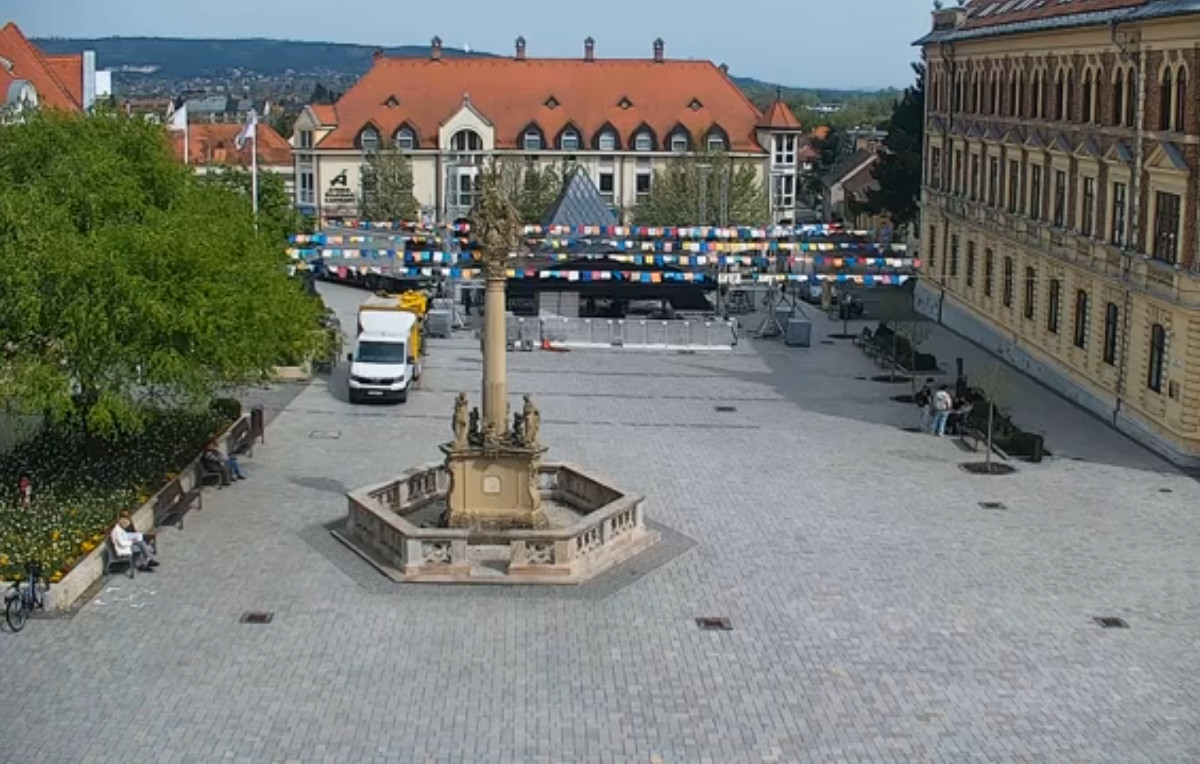
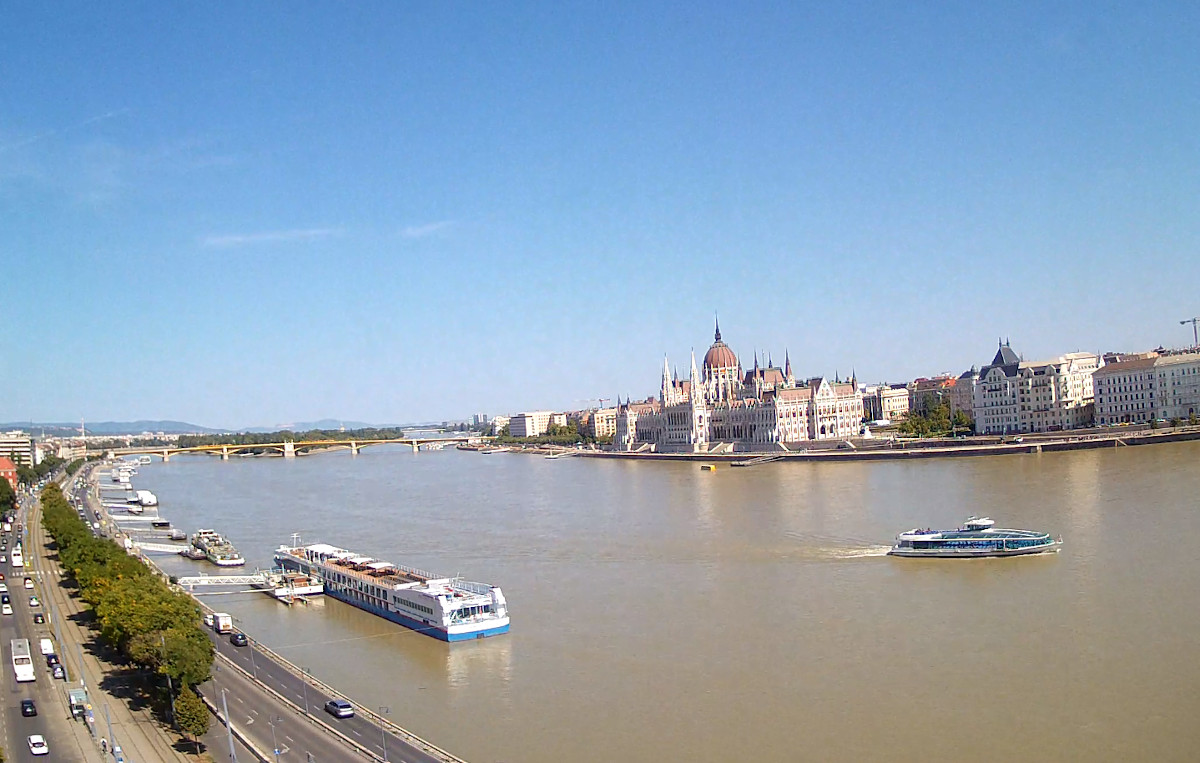
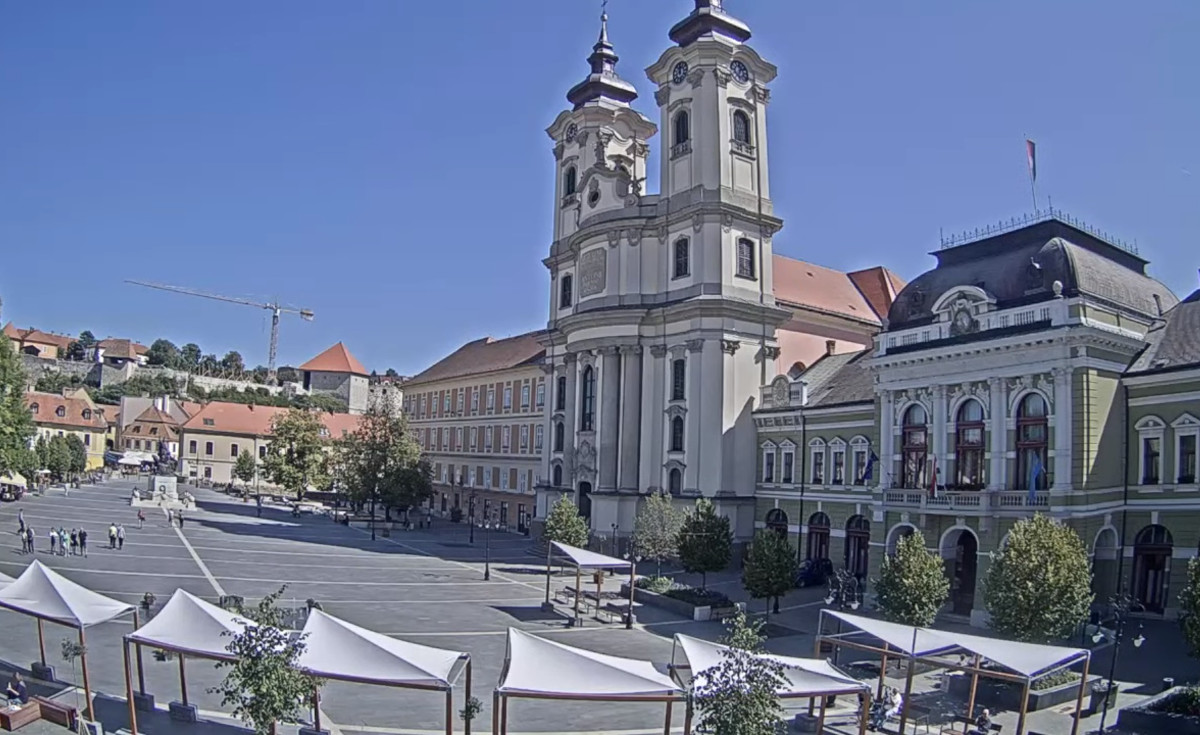
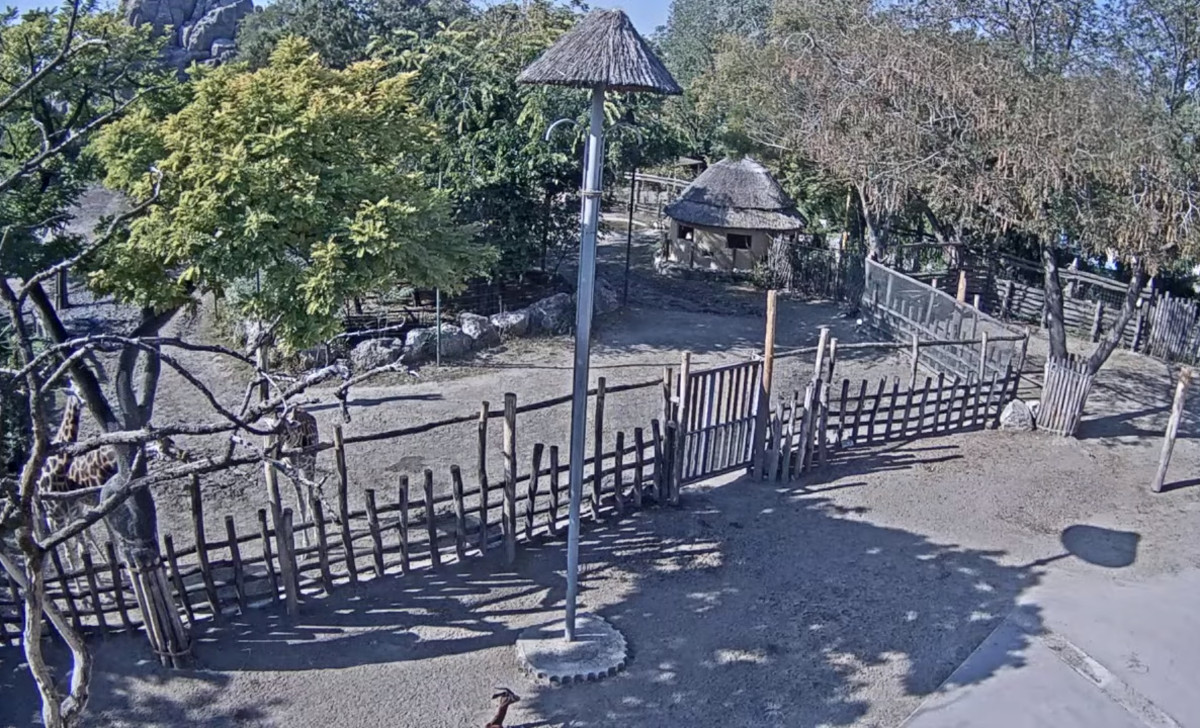
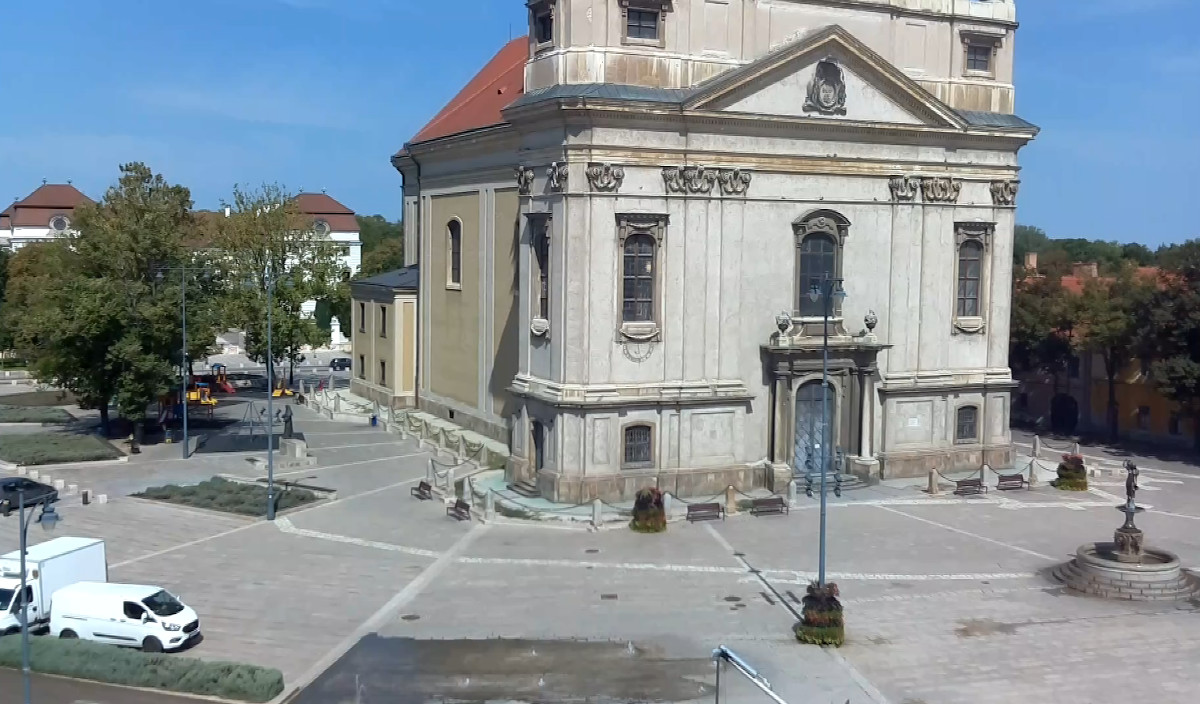
Hungary’s live webcams offer the opportunity to observe life in one of Central Europe’s most beautiful and historically rich countries in real time. Live streams cover the capital city of Budapest, major regional centers, popular resorts on Lake Balaton, and picturesque small towns. With the help of webcams, you can check the weather, street congestion, tourist activity, and the atmosphere of Hungarian cities from anywhere in the world, 24/7.
Some webcams stream with sound, creating a sense of presence. Popular streams are located at the top of the webcam list. An interactive map will show the exact location of each webcam in Hungary and help you quickly choose the right stream — from Budapest to Lake Balaton.
Brief Information
Hungary is a landlocked country in Central Europe. The country’s population is approximately 9.6 million people, and its area is 35,920 square miles (93,030 km²). Hungary shares borders with Austria and Slovenia to the west, Slovakia to the north, Croatia and Serbia to the south, and Romania and Ukraine to the east. The country has been a member of the European Union since 2004 and is part of the Schengen Area.
The capital is Budapest, one of the most beautiful cities on the continent. The official language is Hungarian. The currency is the Hungarian Forint (HUF). The country is divided into 19 counties (megyék) plus the capital. The largest cities are Budapest, Debrecen, Szeged, Miskolc, Pécs, Győr, and Keszthely. Hungary is famous for its thermal springs (over 1,000), architectural heritage (including UNESCO sites), and unique cuisine.
Climate of Hungary
Hungary’s climate is temperate continental with four distinct seasons. It is influenced by the Atlantic Ocean (from the west), the Mediterranean Sea (from the south), and continental air masses (from the east). Summers are warm and sunny, while winters are mild and relatively short.
The average annual air temperature in Hungary is approximately 50–52°F (10–11°C). The warmest month is July, with average temperatures of 70–73°F (21–23°C), and the coldest month is January, with average temperatures of 28–30°F (-2 to -1°C). In summer, temperatures often exceed 86°F (30°C); in winter, freezing temperatures are rare and usually do not drop below 14°F (-10°C).
The best time for tourist travel is from April to October. Spring and autumn are most comfortable for sightseeing, while summer is ideal for beach vacations on Lake Balaton.
Cities and Resorts of Hungary
Budapest — the capital and largest city of Hungary. Main attractions: the Parliament Building, Buda Castle, Fisherman’s Bastion, St. Stephen’s Basilica, the Chain Bridge, and thermal baths (Széchenyi, Gellért, Rudas).
Debrecen — the second-largest city in Hungary, known as the “Calvinist Rome.” The main square is Kossuth Square, with the Great Reformed Church.
Szeged — the “City of Sunshine” in the south of the country, famous for its Tisza River promenade, cathedral, and open-air festival.
Pécs — the cultural capital of southern Hungary, featuring the Mosque of Pasha Qasim, an early Christian necropolis (UNESCO site), and a unique Mediterranean atmosphere.
Keszthely — one of the main resorts on the western shore of Lake Balaton, home to the Baroque Festetics Palace and the city beach.
Siófok — the unofficial “summer capital” of Hungary, the most popular resort on Lake Balaton, with a vibrant nightlife and beach infrastructure.
Hévíz — a unique thermal lake located 5 miles (8 km) from Keszthely. The water temperature in the lake does not drop below 75°F (24°C), even in winter.
Eger — a city in northern Hungary, famous for its 16th-century fortress, “Egri Bikavér” (Bull’s Blood) wine, and the Baroque Cathedral.
Attractions of Hungary
Hungary is among the countries with the highest concentration of UNESCO World Heritage Sites. These include the Danube River embankments in Budapest, Buda Castle, Andrássy Avenue, the early Christian necropolis in Pécs, Lake Fertő (shared with Austria), and the Tokaj wine region.
Lake Balaton is the largest freshwater lake in Central Europe, with an area of 229 square miles (594 km²). It is often called the “Hungarian Sea.” Its average depth is 10–13 feet (3–4 meters), and the water warms quickly in summer to 77–82°F (25–28°C).
Thermal baths are Hungary’s hallmark. The most famous include the Széchenyi Baths in Budapest (the largest in Europe), the Art Nouveau Gellért Baths, the 16th-century Turkish Rudas Baths, as well as thermal baths in Hévíz, Debrecen, and Miskolctapolca (unique cave baths).
Hungary is an ideal year-round travel destination, offering rich history, architecture, thermal culture, and picturesque nature. Watch the country in real time through webcams and plan your perfect itinerary.