Melbourne Live Webcams
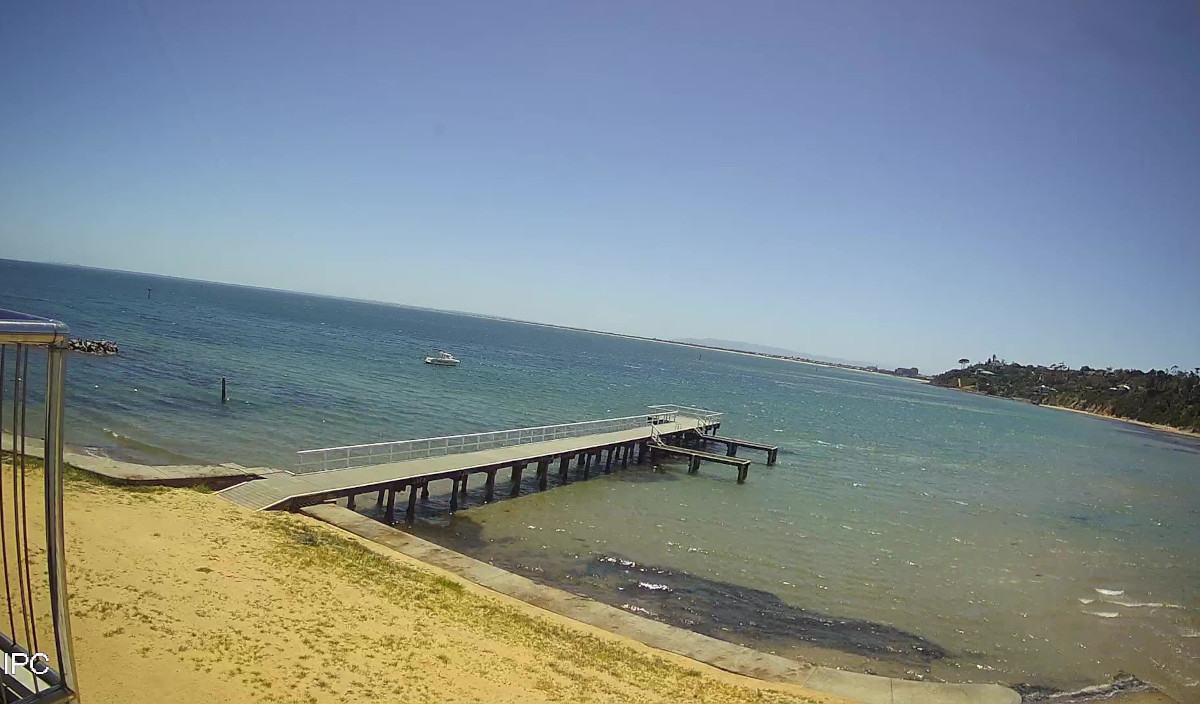
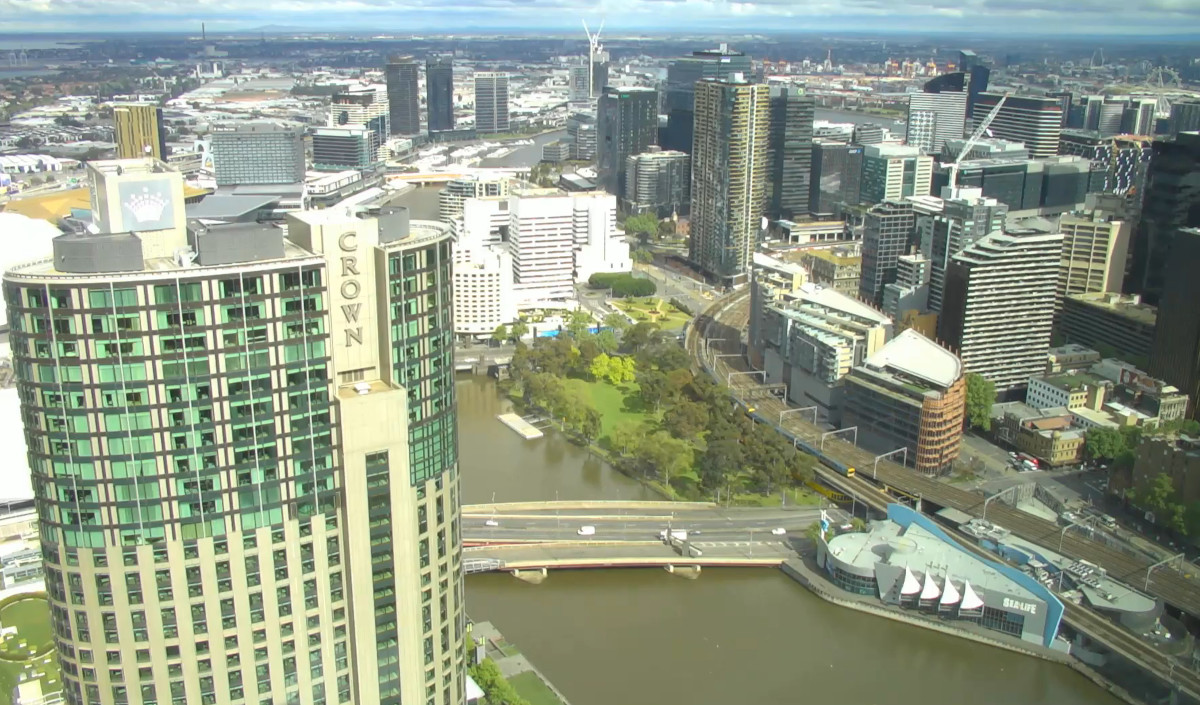
Live webcams in Melbourne stream real-time views of streets, squares, restaurants, hotels, parks, waterfronts, beaches, and landmarks of Australia’s second-largest city after Sydney and the capital of Victoria. These online webcams provide panoramic views of the city and its surrounding nature, while also showing current weather conditions in Melbourne. Some webcams even include sound. The most popular streams are listed at the top of the page, while the interactive map displays the exact location of each webcam across Melbourne.
About Melbourne
Melbourne is the capital of the state of Victoria and the second-largest city in Australia. Located on the country’s southeastern coast, it is a major cultural, economic, and transportation hub. The city lies on the shores of Port Phillip Bay, at the mouth of the Yarra River, about 930 km (578 miles) southwest of Sydney.
As of 2024, Melbourne’s population is approximately 5.35 million, making it the second-most populous city in Australia after Sydney. The city covers an area of about 803.8 km² (310 sq mi). Melbourne is also the most densely populated city in Victoria, with about 75% of the state’s population living here.
Melbourne is recognized as an important financial center in the Asia-Pacific region, ranking 28th in the Global Financial Centres Index in 2024. Key sectors of the city’s economy include finance, technology, healthcare, education, and tourism. In 2023, visitor spending in Victoria reached a record $37.8 billion.
The city boasts a well-developed transportation network, including trams, buses, and trains. Melbourne has the largest road network per capita of all Australian cities, comparable in scale to Los Angeles and Atlanta. Between 2017 and 2018, public transport in the city handled 565 million passenger trips.
Known for its cultural life, Melbourne is a hub of art, music, fashion, and gastronomy. Every year, the city attracts large numbers of international and domestic tourists with world-class events such as the Australian Open, the Formula 1 Australian Grand Prix, and numerous festivals.
Climate
Melbourne has a temperate oceanic climate, often described as “four seasons in one day“.
Summer (December–February): Warm to hot, with average temperatures ranging from 14°C to 25°C (57°F to 77°F). Occasional heatwaves can occur. This is a great time for beach outings and city walks.
Autumn (March–May): Mild and pleasant, with parks turning beautiful autumn shades—ideal for sightseeing and outdoor strolls.
Winter (June–August): Cool and rainy, with average temperatures between 6°C and 14°C (43°F to 57°F). Sunny breaks still make it a good season for visiting museums and cafés.
Spring (September–November): Mild, with temperatures from 10°C to 20°C (50°F to 68°F). Nature comes alive, and the city hosts many festivals.
Melbourne receives about 650 mm (25 in) of rainfall annually, evenly spread throughout the year. Its changeable weather and abundance of sunny days make it an appealing destination year-round.
Attractions in Melbourne
Melbourne is often called the cultural capital of Australia, famous for its Victorian-era architecture, green parks, world-class museums, and vibrant metropolitan atmosphere. The city blends historical heritage with modern skyscrapers, charming laneways filled with street art, and a rich food and wine scene. Below are some of Melbourne’s most iconic attractions:
— Federation Square: The city’s main square and a hub of public life, opened in 2002. It is home to the Ian Potter Centre (Australian art gallery) and the Australian Centre for the Moving Image (film and multimedia museum). Surrounded by cafés and restaurants, the square regularly hosts festivals and events.
— Flinders Street Station: Opened in 1910, this historic train station is one of Melbourne’s most recognizable landmarks. Its domed roof and Edwardian-style façade make it one of the most photographed sites in the city.
— Melbourne Cricket Ground (MCG): One of the largest stadiums in the world and the heart of Australian sports. It hosts cricket, Australian Rules football, and major international events. The nearby National Sports Museum highlights the country’s sporting history.
— Royal Botanic Gardens: Covering more than 38 hectares (94 acres), these gardens are a green oasis in the heart of the city, featuring over 8,500 plant species, lakes, walking paths, and picnic areas.
— National Gallery of Victoria (NGV): Australia’s oldest and largest art gallery, home to masterpieces by Rembrandt, Monet, Picasso, and contemporary artists, as well as an extensive collection of Australian works.
— Melbourne Zoo: Established in 1862, it is one of Australia’s oldest zoos and is home to over 300 species from around the world, including koalas, kangaroos, and rare native wildlife.
— Eureka Skydeck: Located on the 88th floor of the Eureka Tower, it offers breathtaking panoramic views of Melbourne and its surroundings. Thrill-seekers can experience “The Edge,” a glass cube that extends out from the building.
— Queen Victoria Market: Operating since 1878, it is Melbourne’s largest and most famous market. Visitors can shop for fresh produce, gourmet food, clothing, souvenirs, and local crafts. It also hosts food festivals and cultural events.
— Melbourne Museum: The largest museum in the Southern Hemisphere, it showcases Australia’s history, culture, and natural environment. Highlights include dinosaur skeletons, Indigenous Australian exhibits, and one of the world’s biggest IMAX theaters.
— St. Paul’s Cathedral: A neo-Gothic Anglican cathedral built in the late 19th century, located opposite Flinders Street Station. It is both a major architectural landmark and an active place of worship.