Tasmania Live Webcams
Live webcams in Tasmania stream real-time views of cities, towns, natural landscapes, bays, beaches, mountains, national parks, and attractions across this Australian state, located on the island of the same name. These webcams allow you to check the current weather across Tasmania from anywhere in the world. Some webcams also include live sound. The most popular webcams are featured at the top of the list. An interactive map shows the exact location of each camera across the island.
About Tasmania
Tasmania is an Australian state located on the island of Tasmania in the Tasman Sea. The island lies 240 km (150 mi) south of mainland Australia and is separated from it by the Bass Strait. Tasmania covers an area of 68,401 km² (26,410 sq mi) and has a population of around 571,000 people.
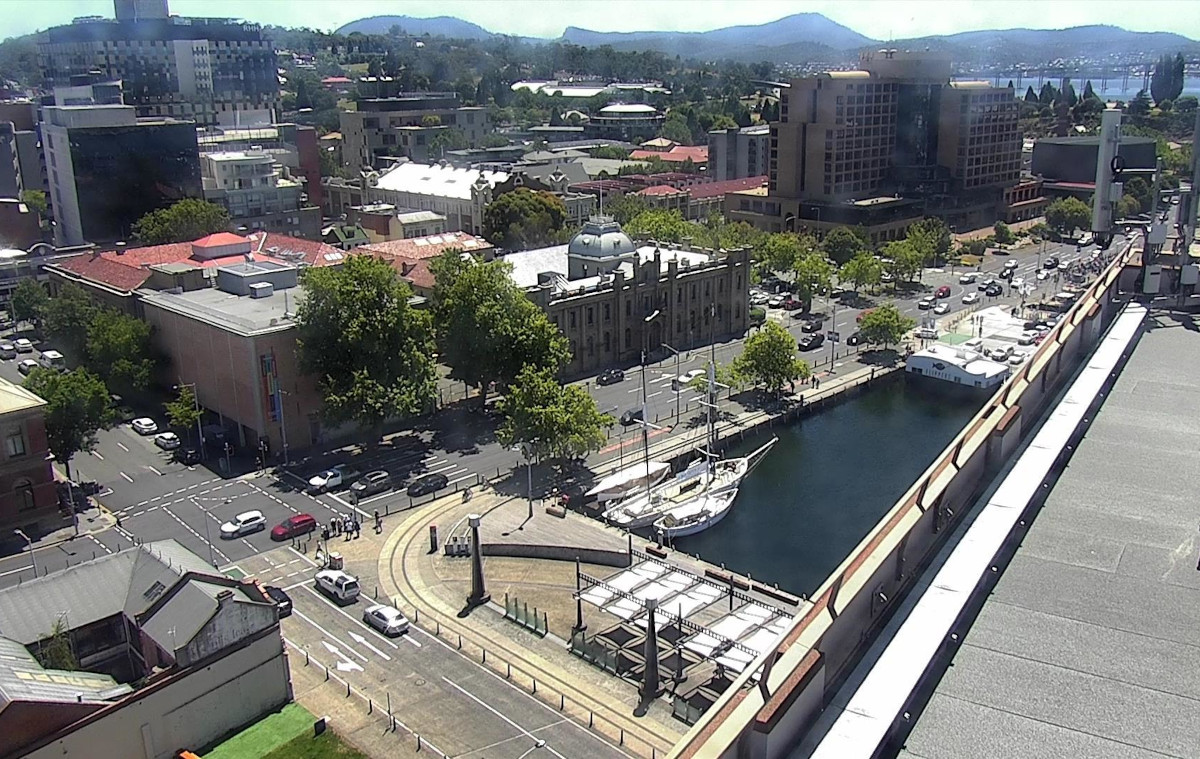
The capital and largest city is Hobart, with a population of 236,000. Other major Tasmanian cities include Launceston, Devonport, and Burnie.
Tasmania is famous for its unspoiled nature, rich history, and unique flora and fauna. Tasmania enchants visitors with stunning landscapes, pristine beaches, and picturesque towns. Whether you are a nature lover, history enthusiast, or foodie, Tasmania has something special to offer.
About 40% of the island is covered by national parks and reserves. The most popular include Cradle Mountain National Park, Freycinet National Park, Tasman National Park, and Mount Field National Park—the oldest park in Tasmania, known for waterfalls, ancient forests, and diverse wildlife.
Tasmania is a paradise for wildlife lovers. Visitors can see rare and unique animals such as Tasmanian devils in reserves, wallabies, wombats, echidnas, as well as seals, penguins, and many species of seabirds along the coast.
Climate
Tasmania enjoys a mild and temperate climate, making it a great destination for travel year-round. The weather often changes quickly during the day, so it’s best to carry a light jacket or raincoat. Rainfall is fairly evenly distributed throughout the year, with winters being a bit wetter.
Summer is warm and sunny, with temperatures around 17–23 °C (63–73 °F). This is the perfect time for beach outings, hiking in national parks, kayaking, and cycling. Mountain areas can be cooler, so a light layer for evenings is recommended.
Winter is cool, especially in the mountains, where snow is possible. Average coastal temperatures range from 7–12 °C (45–54 °F), while mountain temperatures can drop to 0–5 °C (32–41 °F). Winter is ideal for city and park exploration and for those who enjoy winter sports.
Top Attractions in Tasmania
Tasmania attracts travelers worldwide with its unique natural beauty, rich historical heritage, and diverse attractions. From majestic mountains and crystal-clear lakes to historic sites and scenic coastlines, there is something for everyone.
– Cradle Mountain National Park: One of Tasmania’s most famous natural destinations. The park includes Cradle and St. Clair mountains—the highest on the island—and Dove Lake, one of Australia’s most photographed spots. The park is home to diverse flora and fauna, including rare plant and animal species.
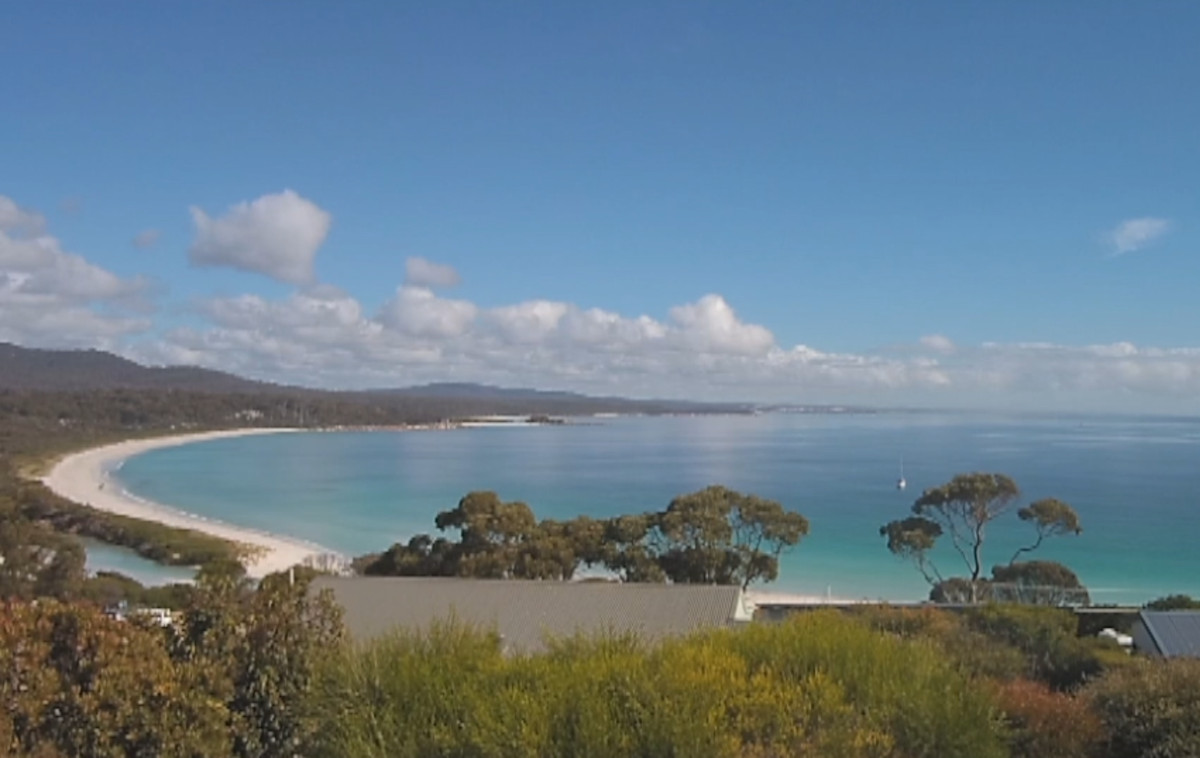
– Wineglass Bay: Located in Freycinet National Park, this bay is famous for its white sandy beaches and crystal-clear waters. Ideal for swimming, kayaking, and hiking, with a lookout on Mount Amos offering breathtaking views of the bay and surrounding mountains.
– Port Arthur Historic Site: A former convict settlement now recognized as a UNESCO World Heritage Site. Visitors can explore over 30 historic buildings and ruins, stroll through manicured gardens, and learn about life in the 19th century. The site is set against picturesque coastal landscapes.
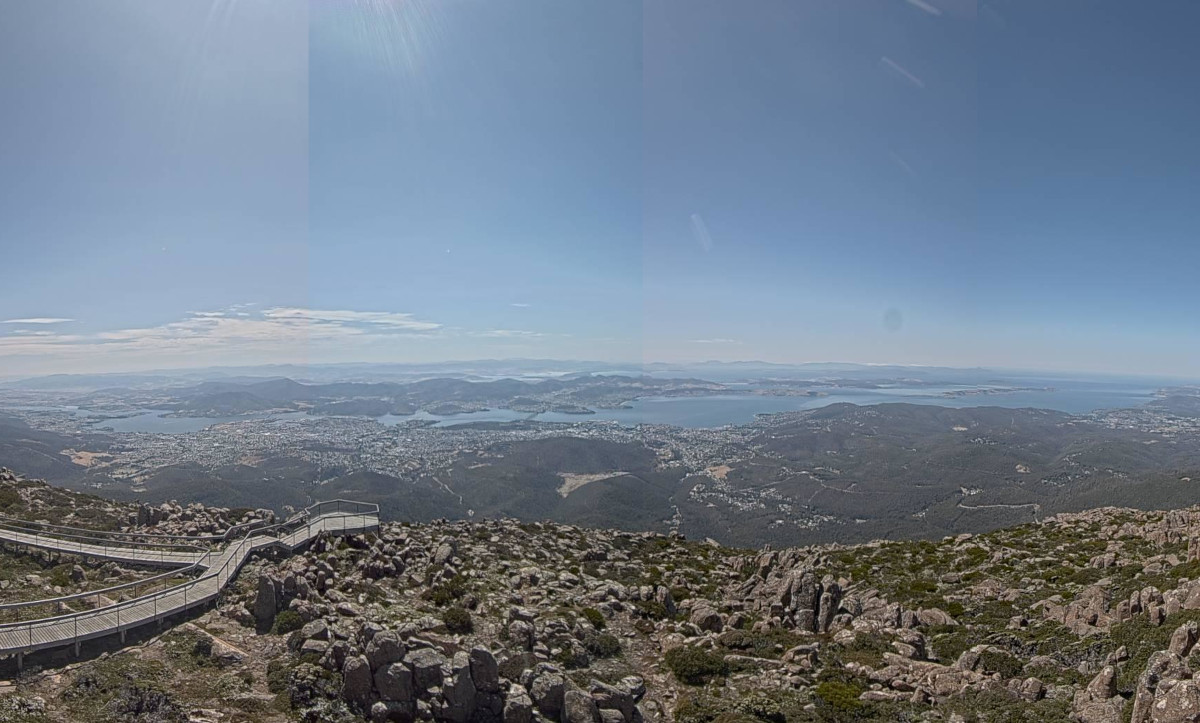
– Mount Wellington (Kunanyi): Near Hobart, popular for hiking, mountain biking, and wildlife watching. From the summit, visitors enjoy panoramic views of Hobart, the Derwent River, and surrounding areas. Several lookout points are perfect for photography.
– Cataract Gorge: A natural gorge just 15 minutes’ walk from Launceston city center. Visitors can enjoy scenic walking trails, ride the chairlift, or cross the suspension bridge. Gardens and picnic areas make it great for families.
– Bay of Fires: Known for its bright orange granite rocks contrasting with white sandy beaches and turquoise waters. Popular for camping, fishing, swimming, and wildlife observation. Named by early European explorers who spotted Aboriginal fires along the coast.
– Bruny Island: A haven for nature, wildlife, and local cuisine. Visitors can explore scenic beaches, historic lighthouses, and spot penguins, seals, and rare birds. The island is also known for its local produce, including cheeses, oysters, and wines.
– Hastings Caves and Thermal Springs: A karst cave system in southern Tasmania featuring stalactites and stalagmites, along with natural thermal springs reaching 28 °C (82 °F).
– Tamar Valley Wine Region: Famous for high-quality wines, especially Pinot Noir and Chardonnay. Visitors can tour wineries, taste wines, and enjoy scenic views of vineyards and the Tamar River.