Live webcams in China
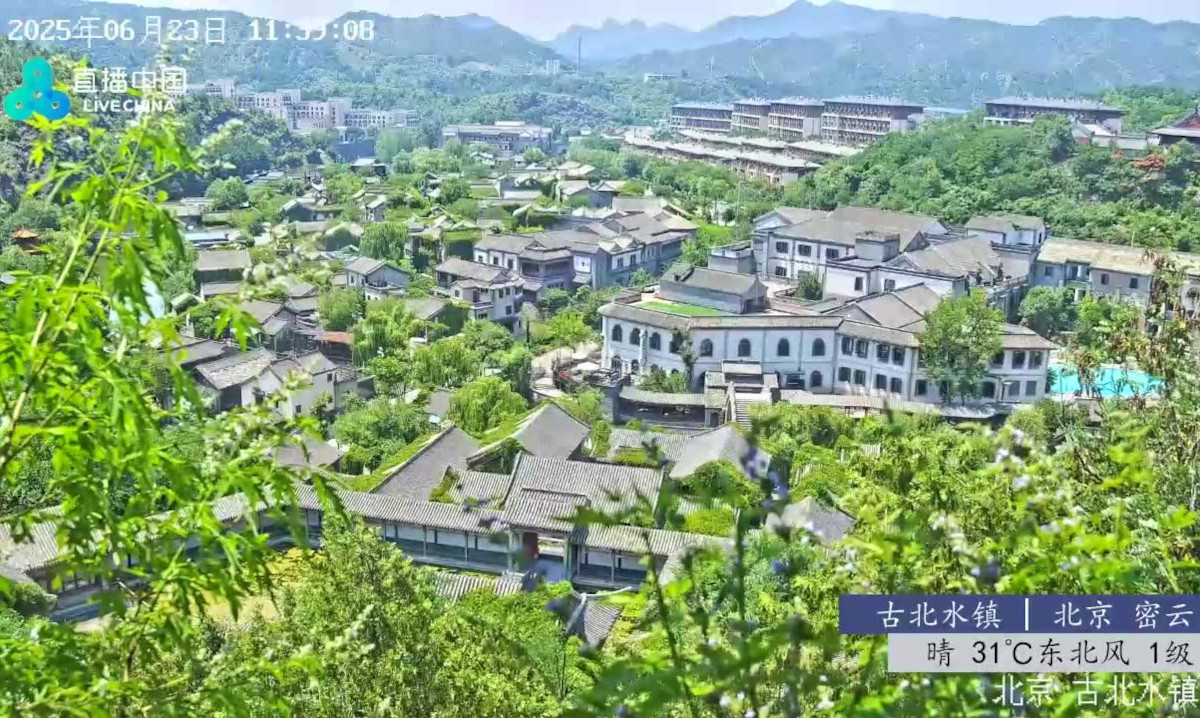
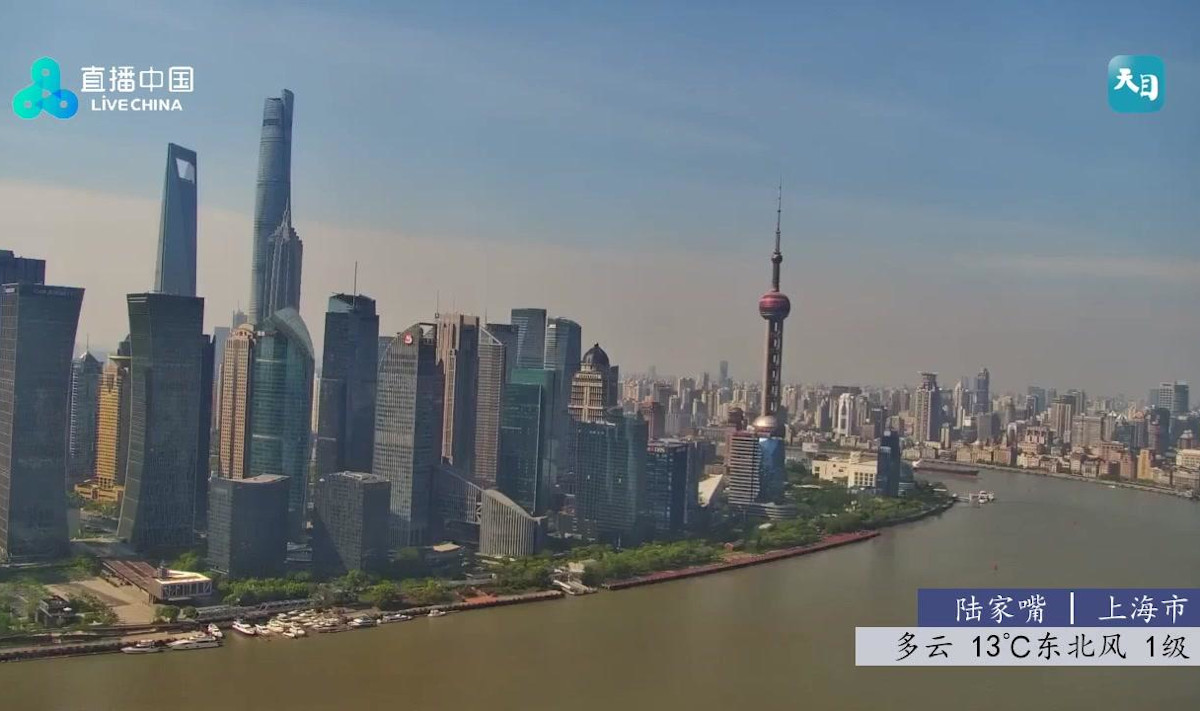
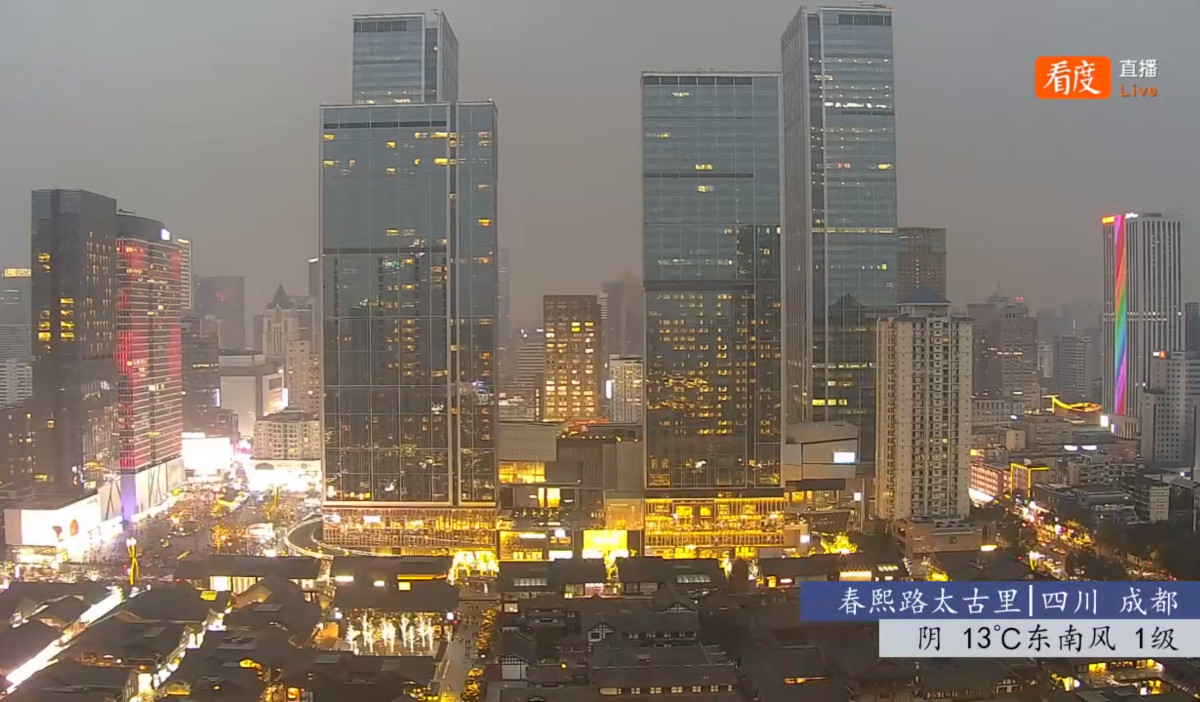

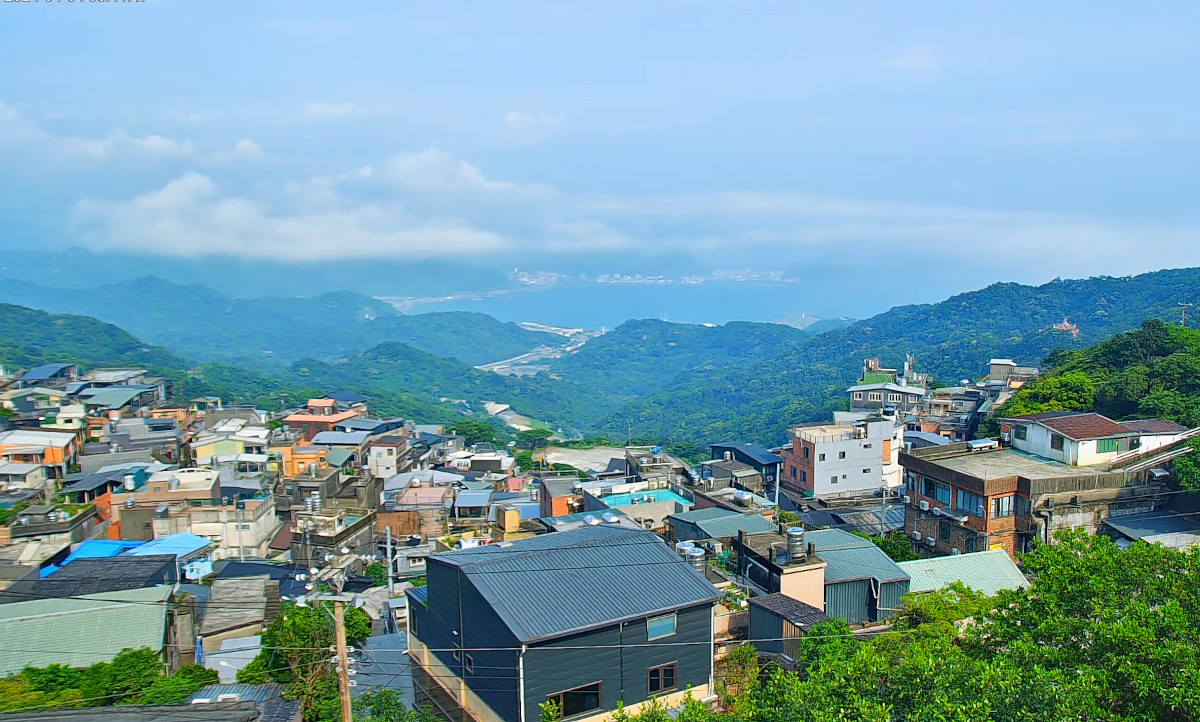
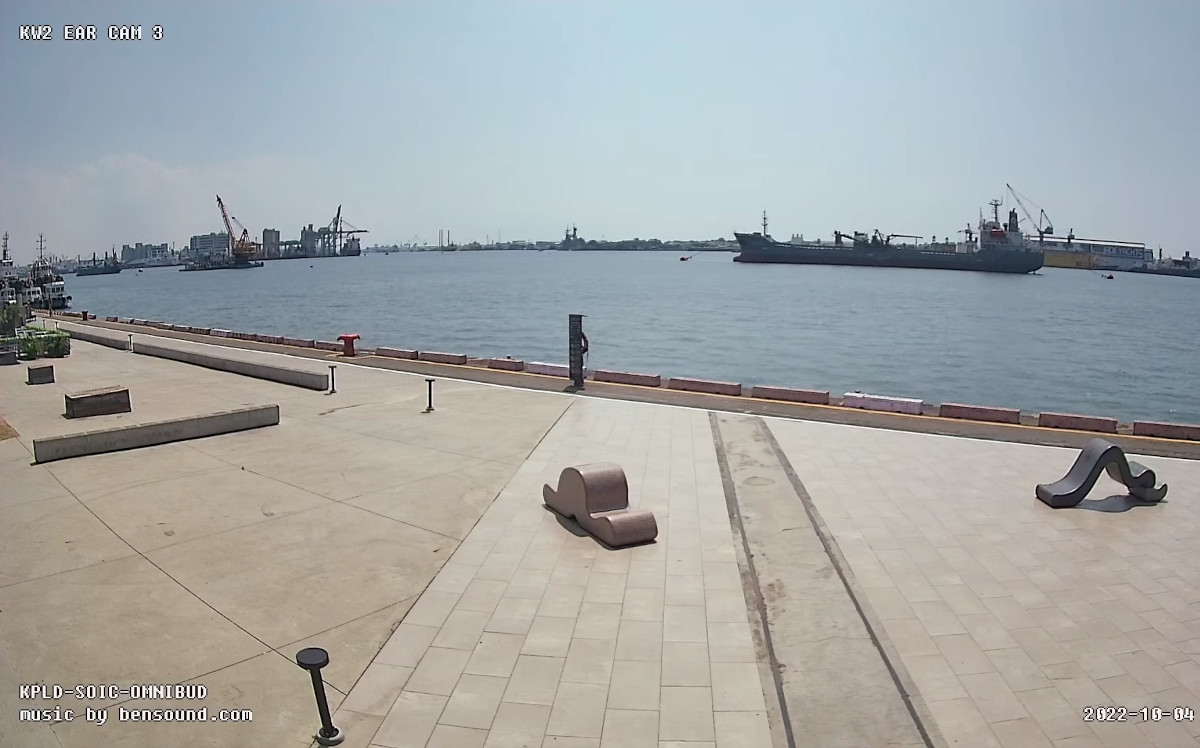
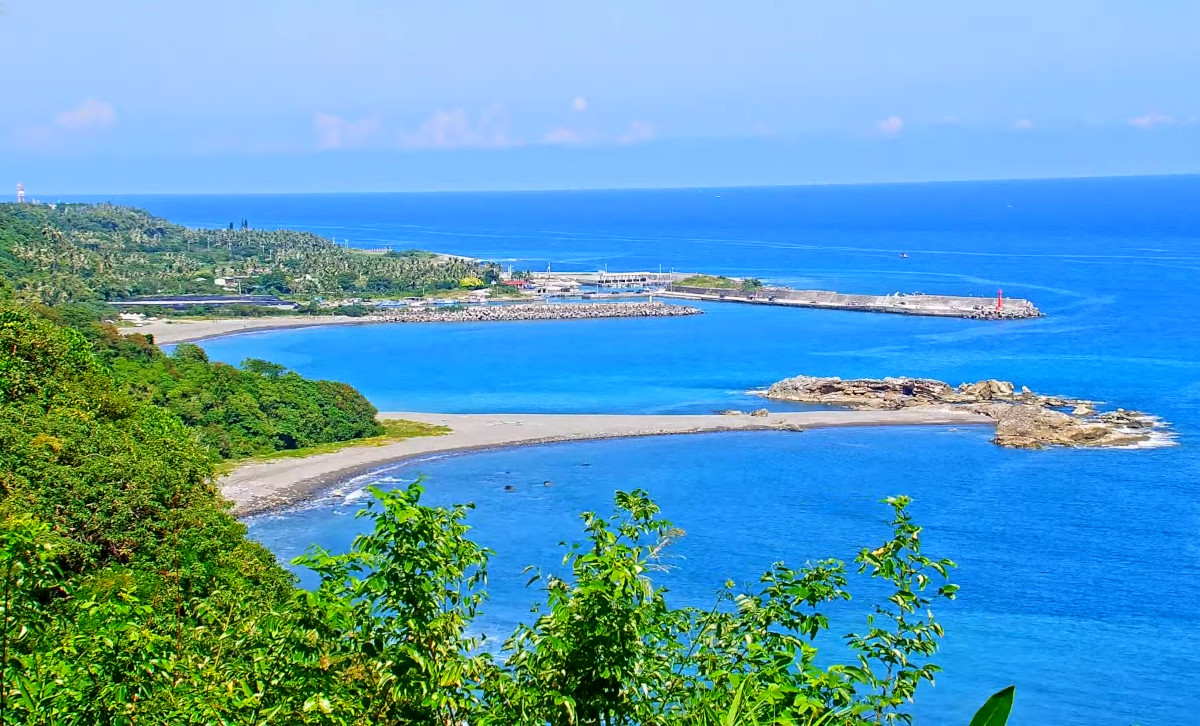
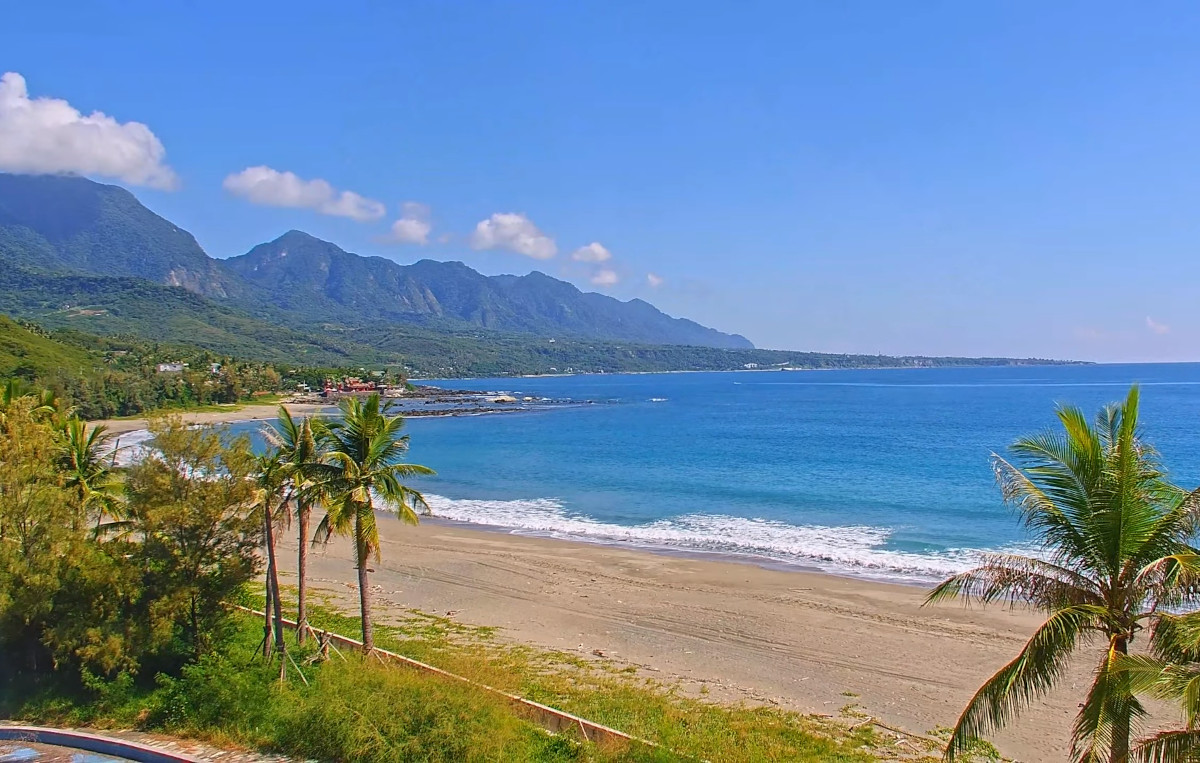
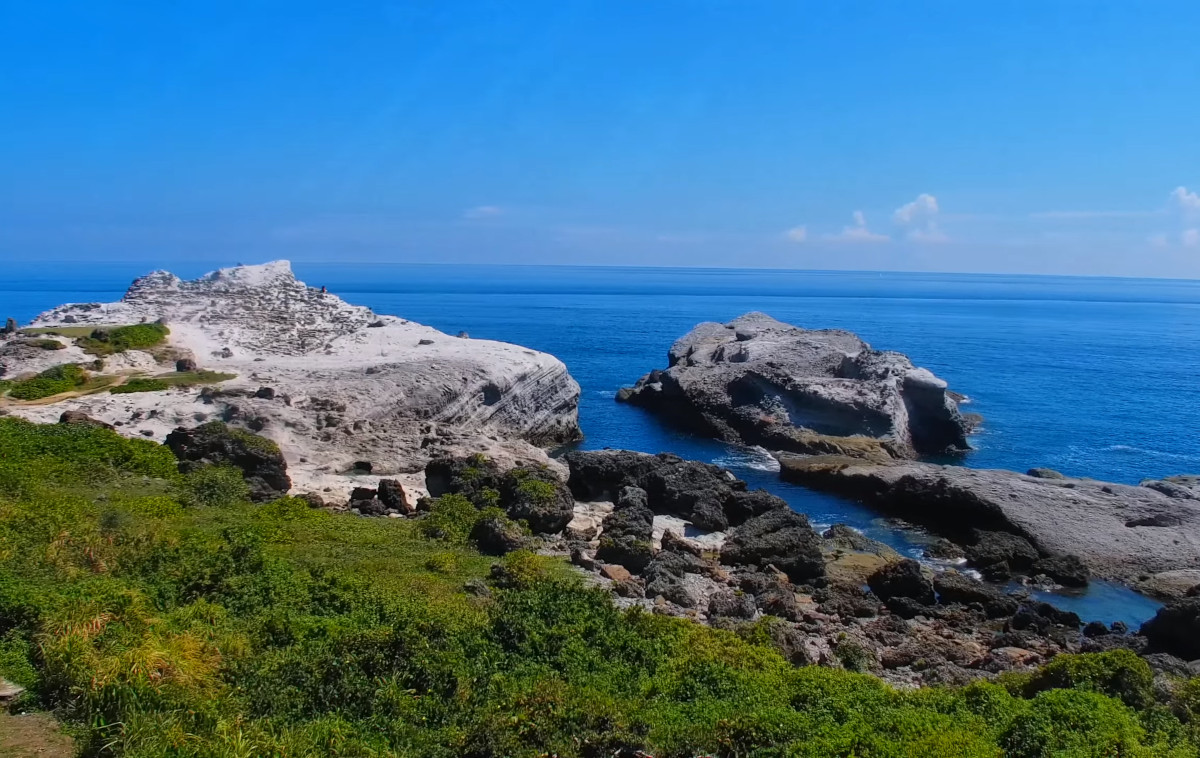
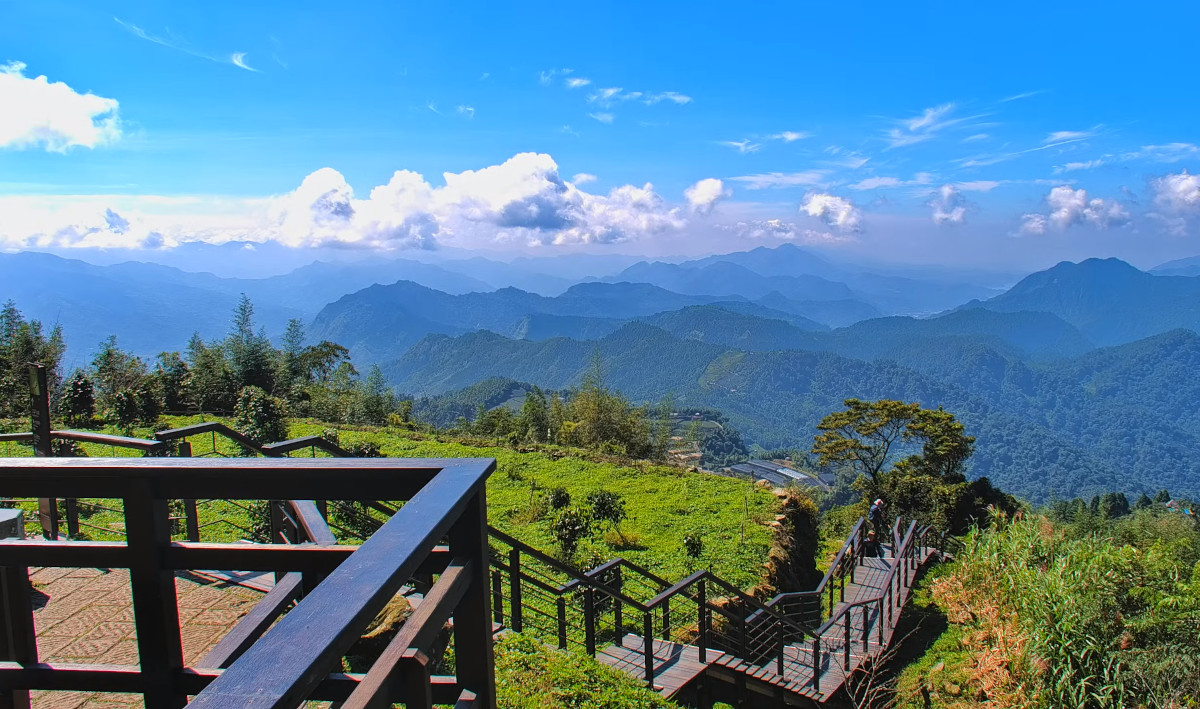
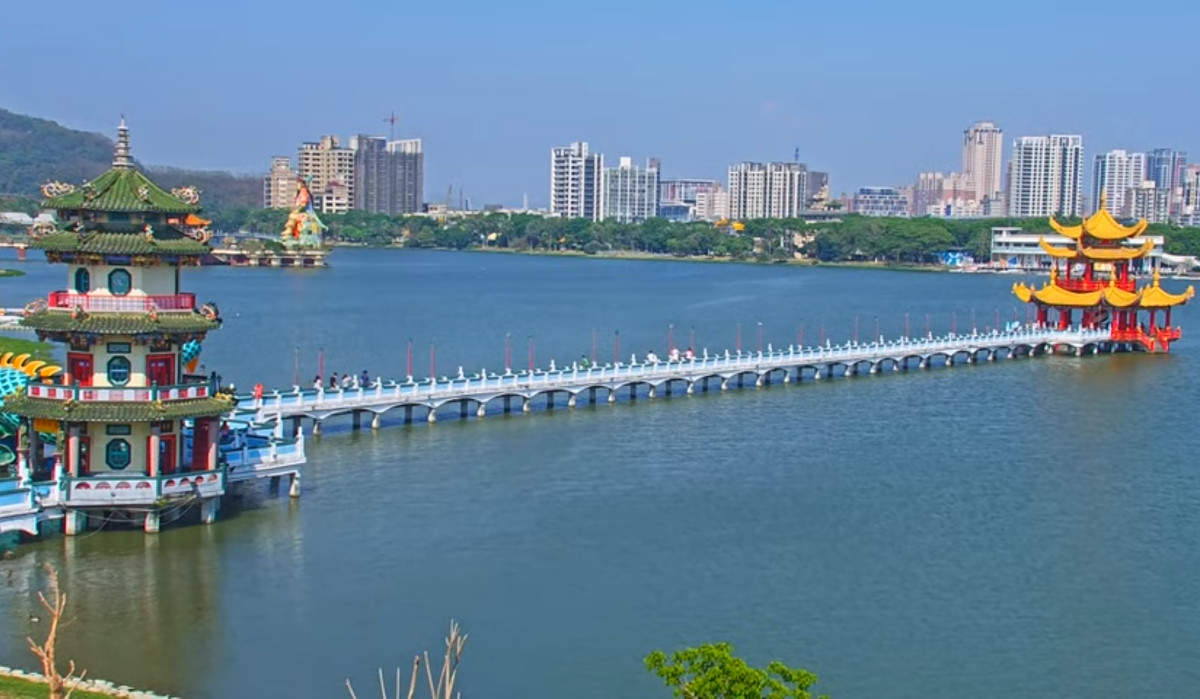
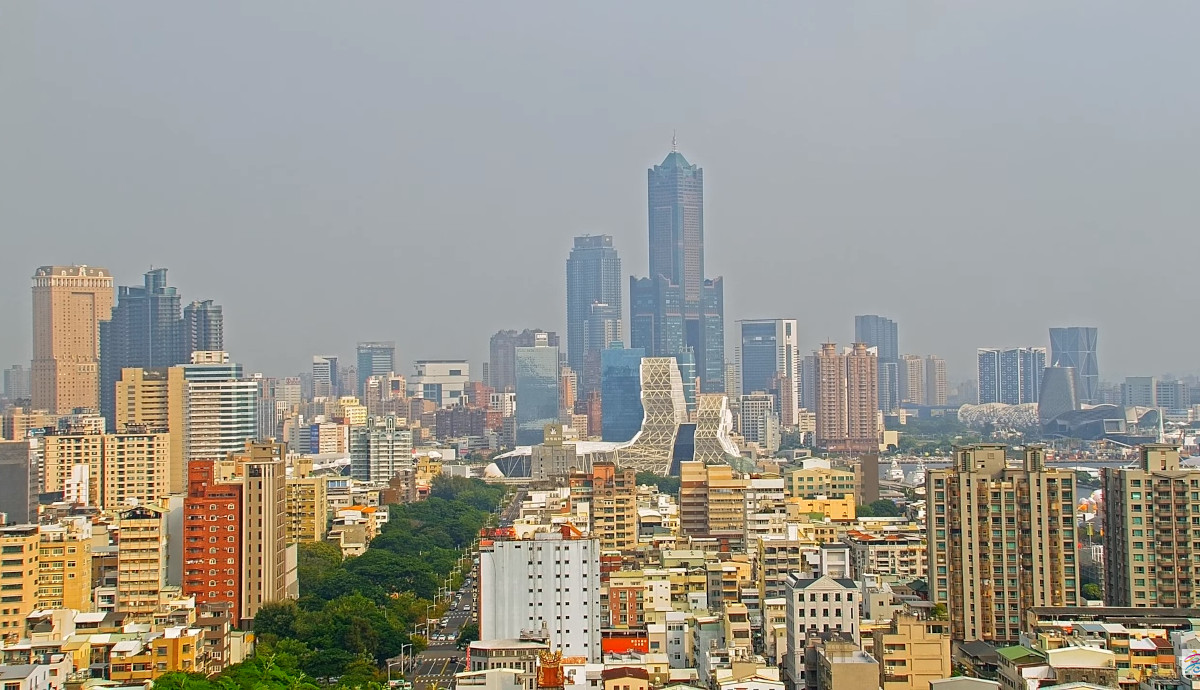
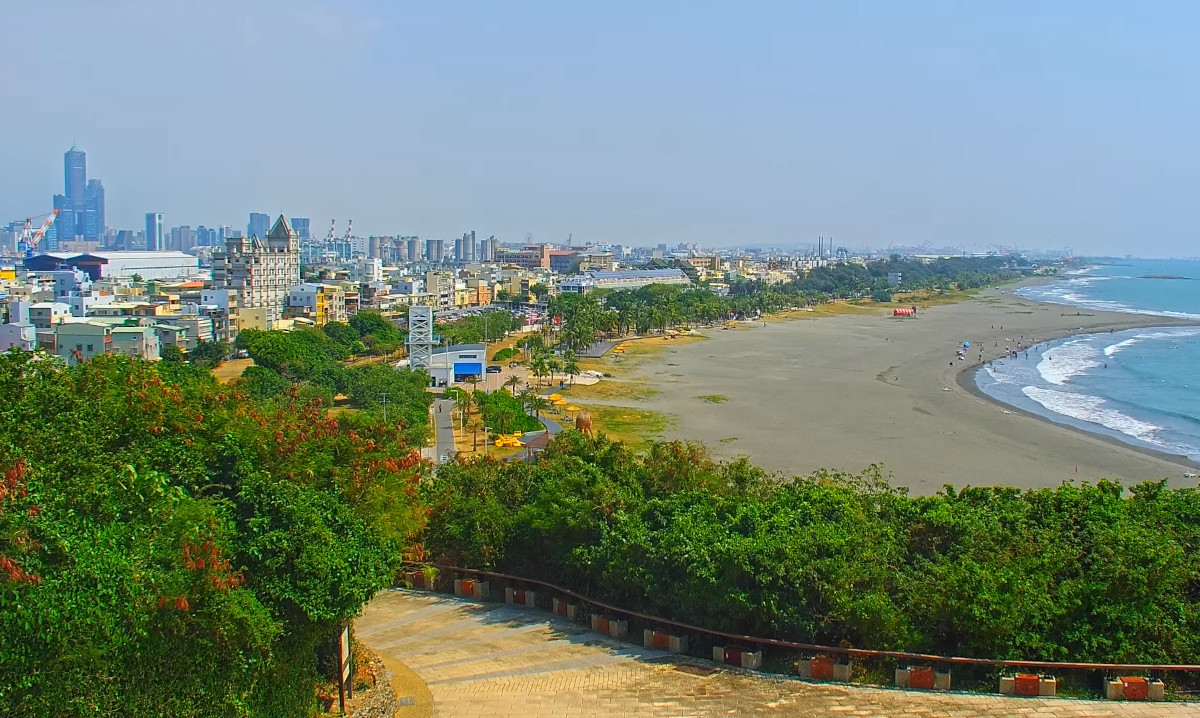
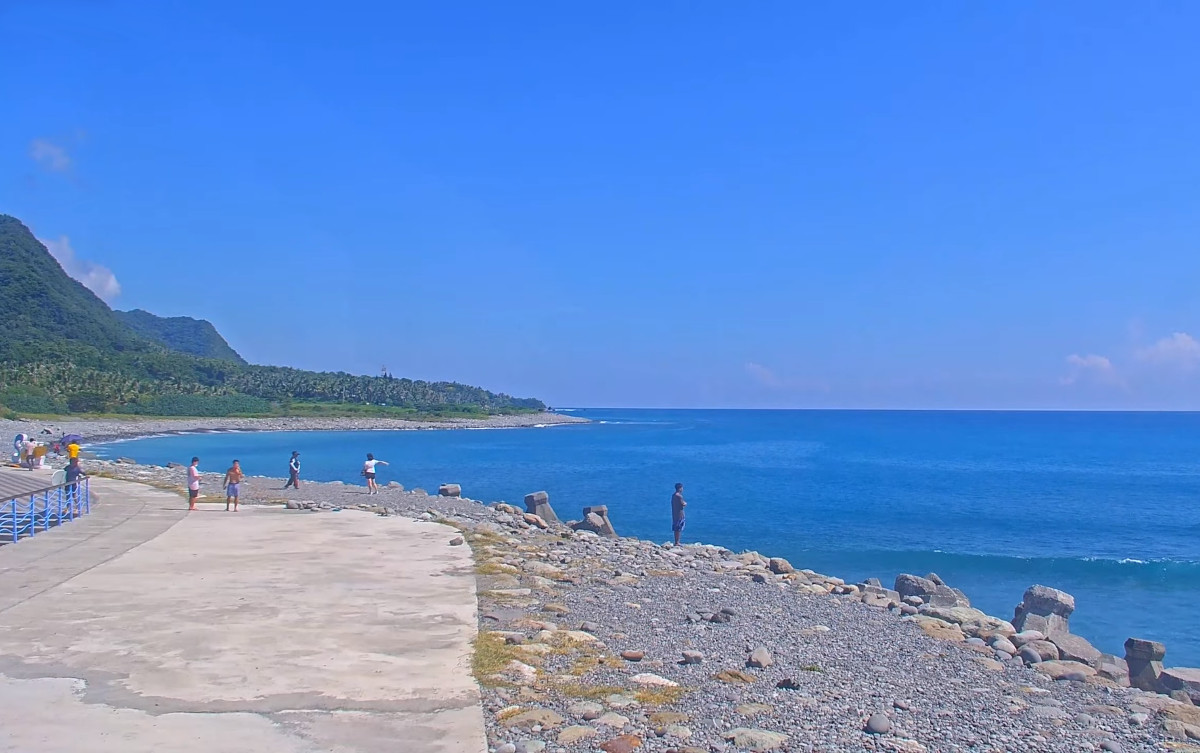
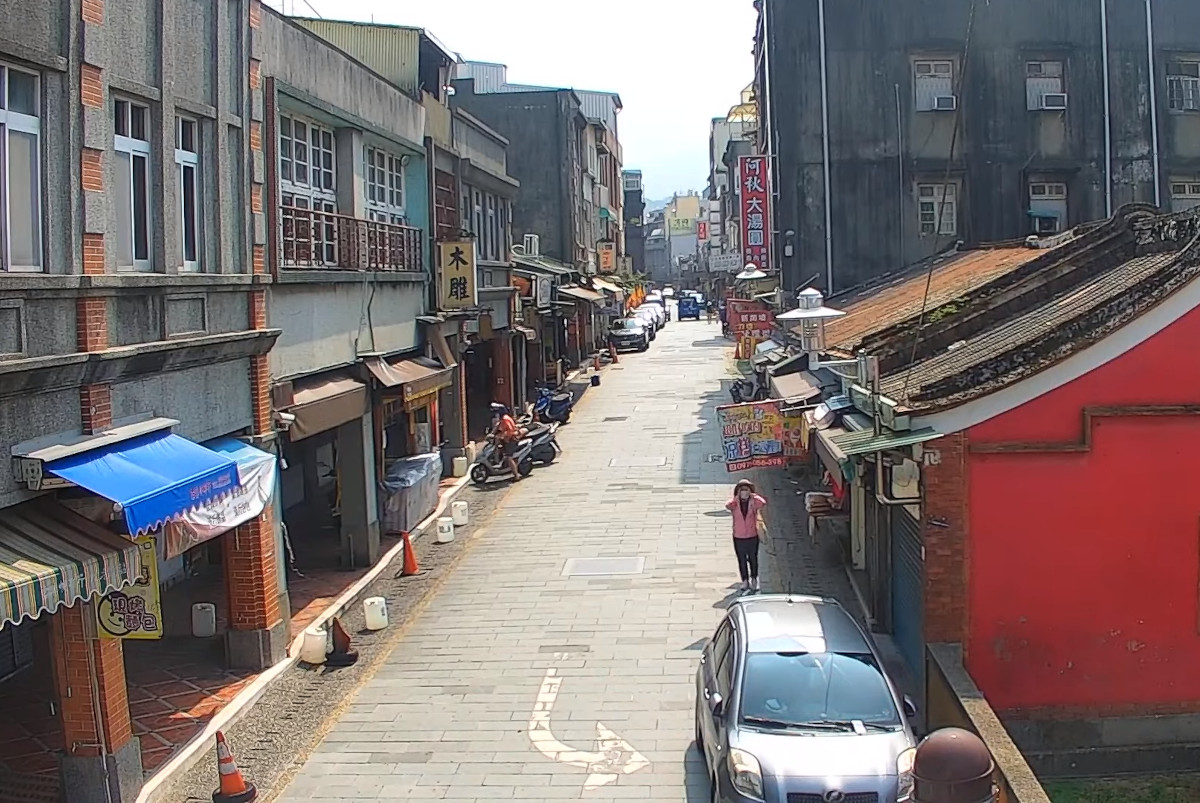
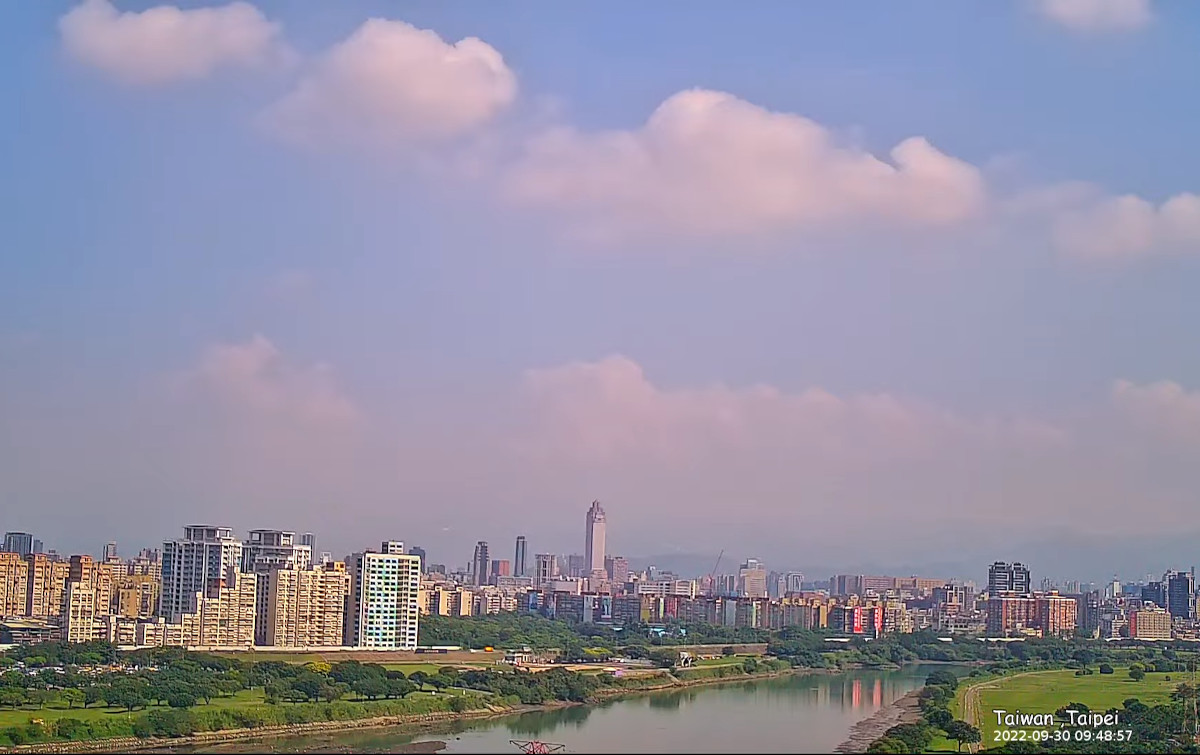
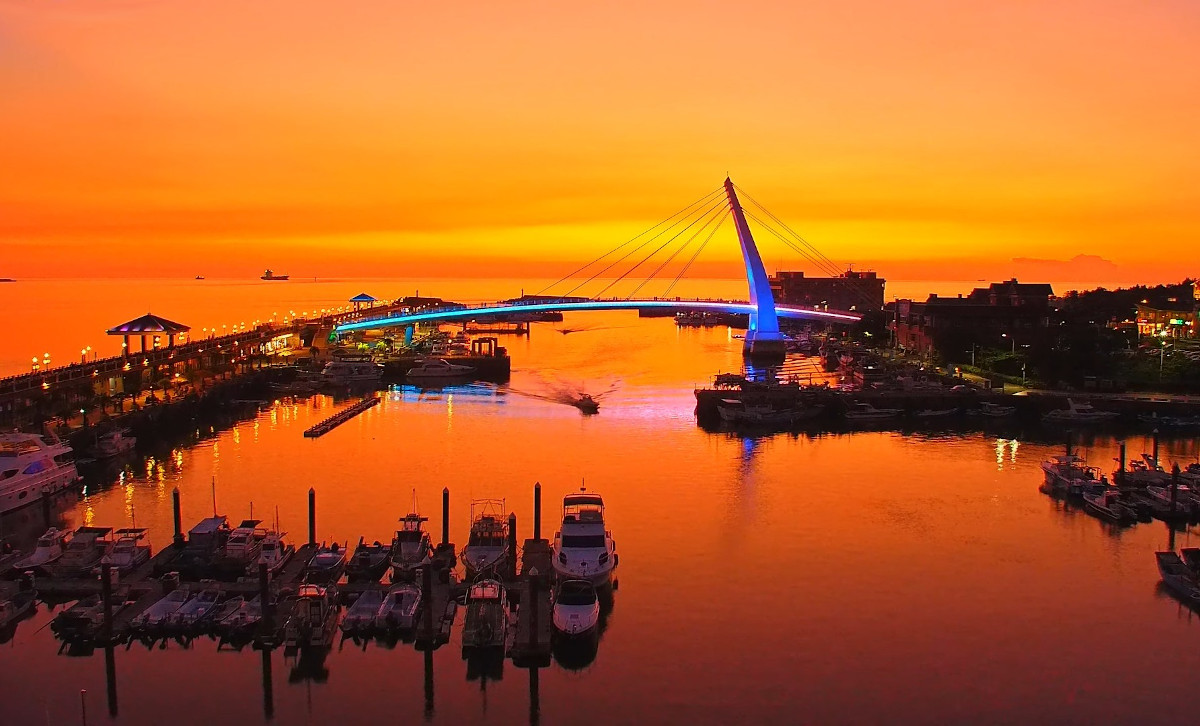
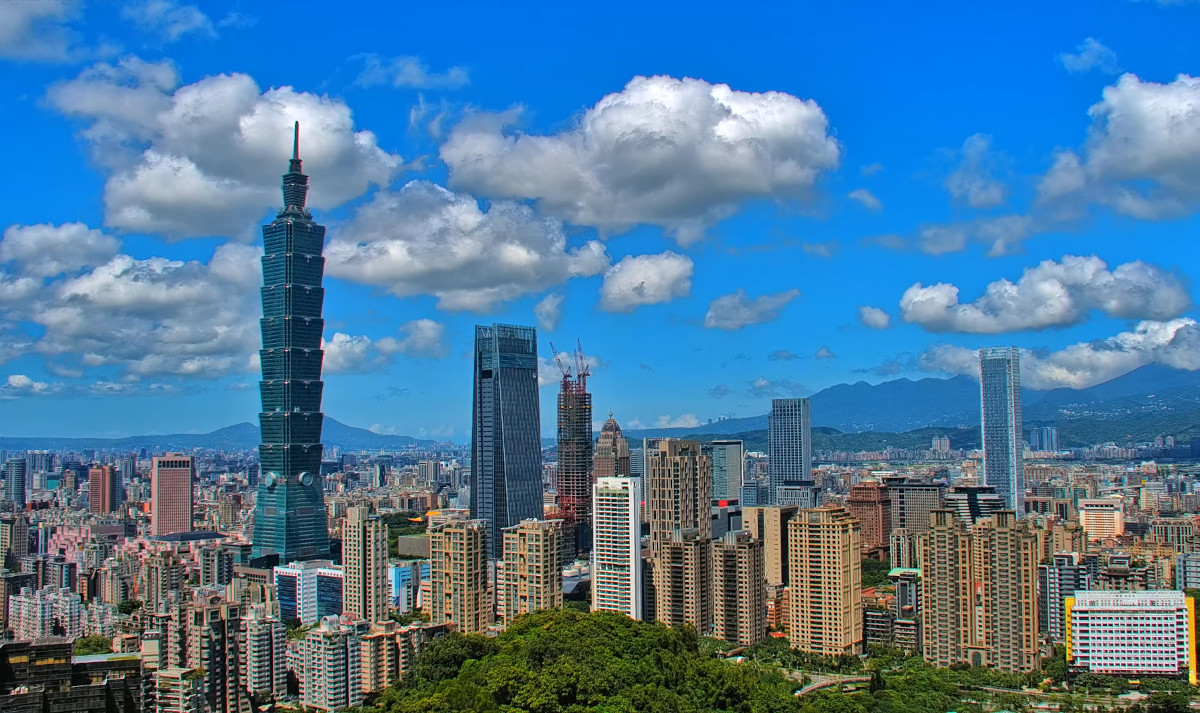
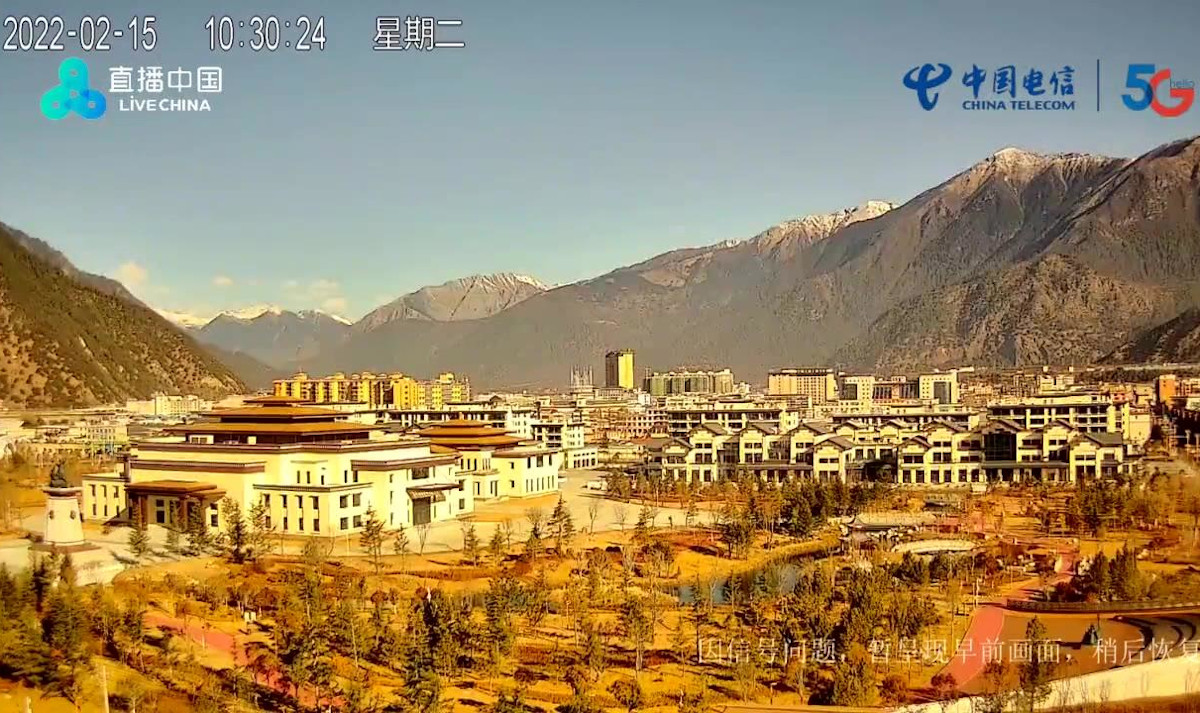
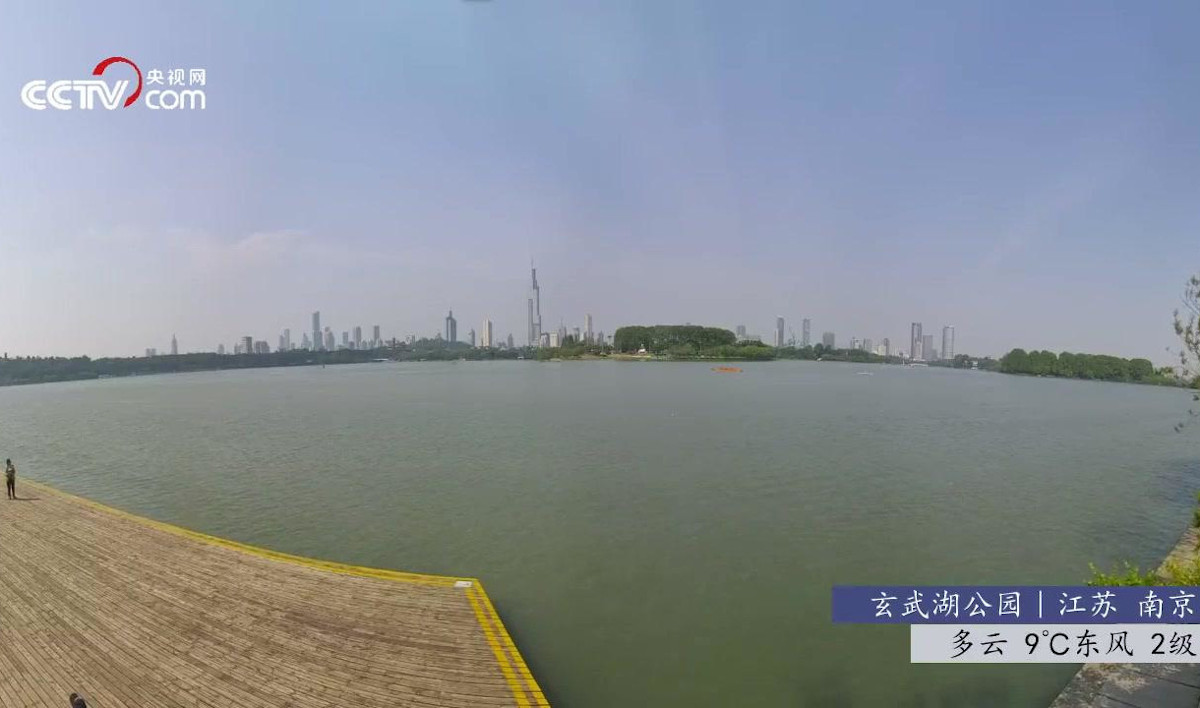
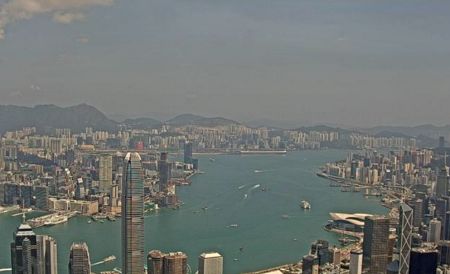
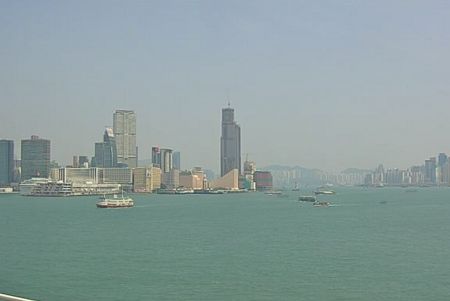
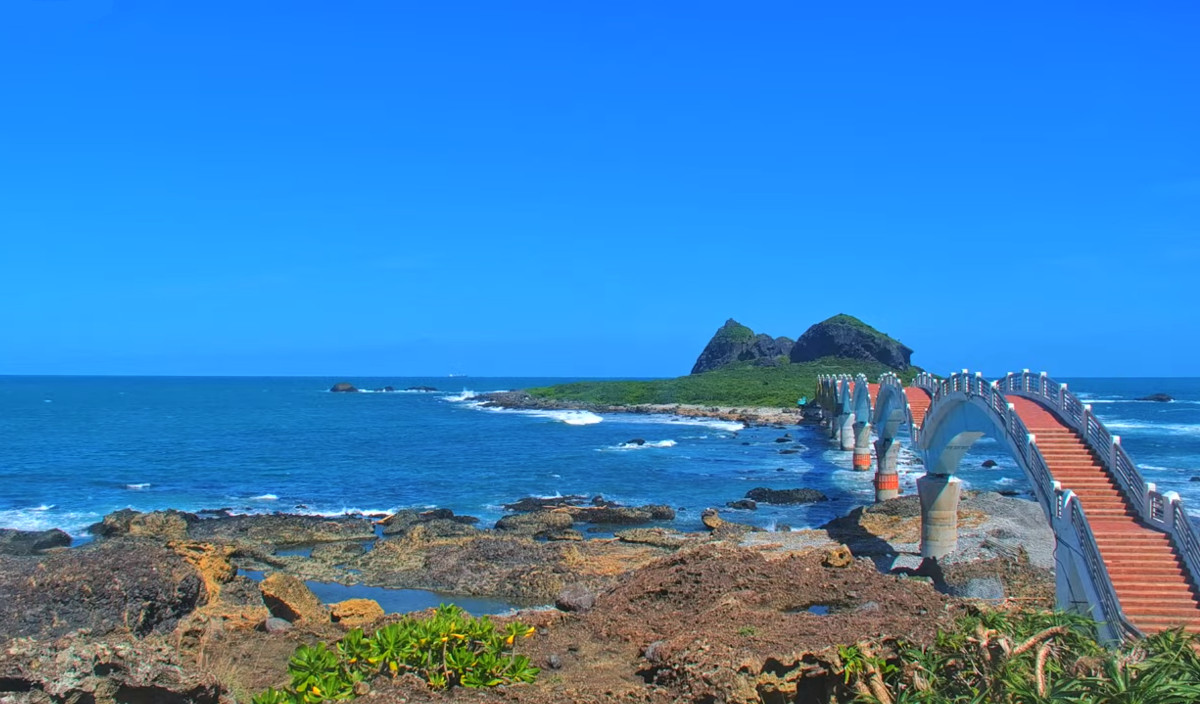
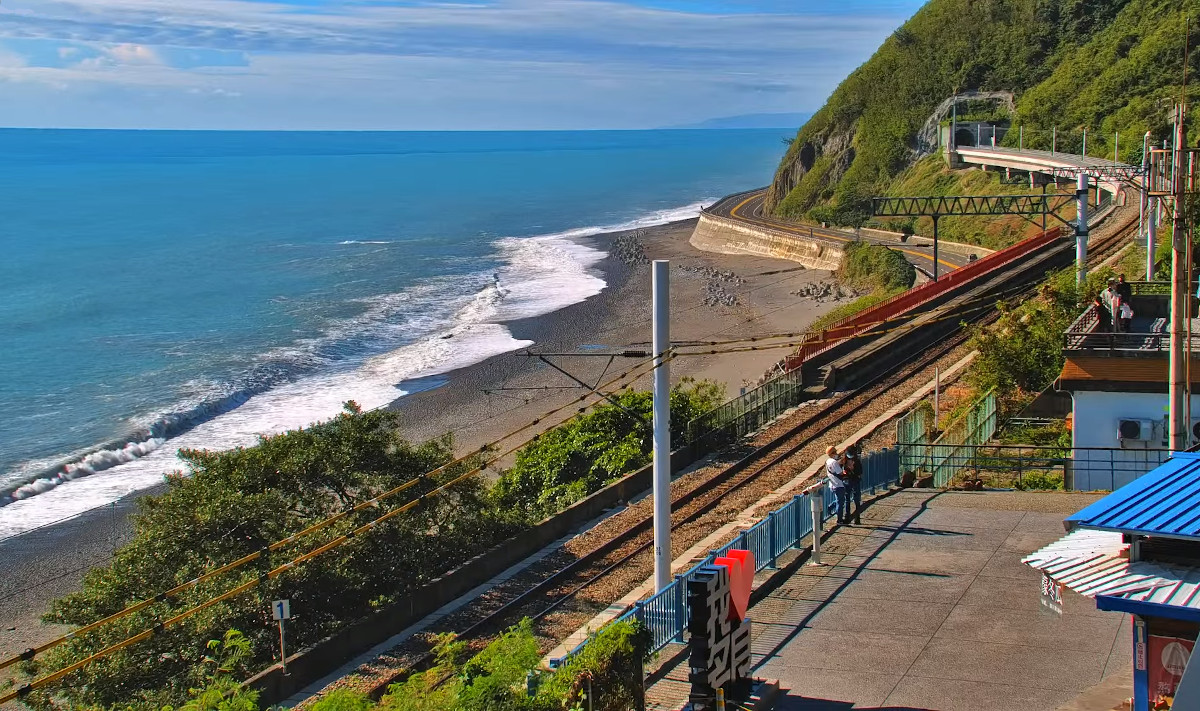
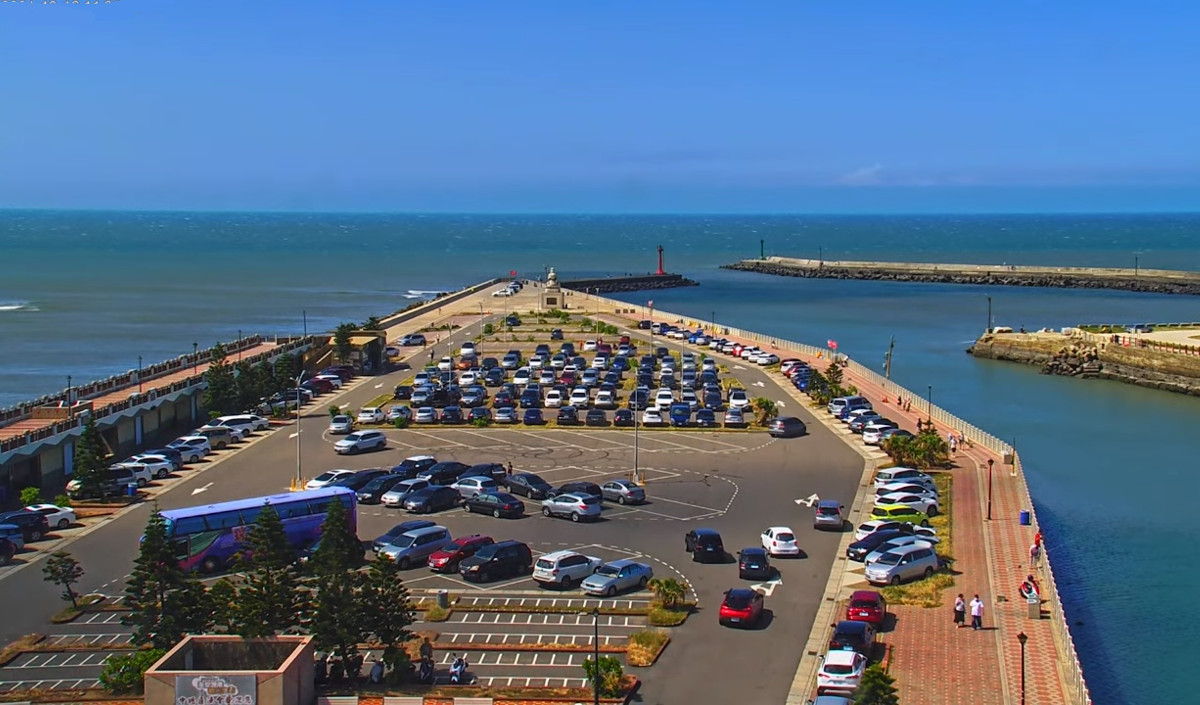
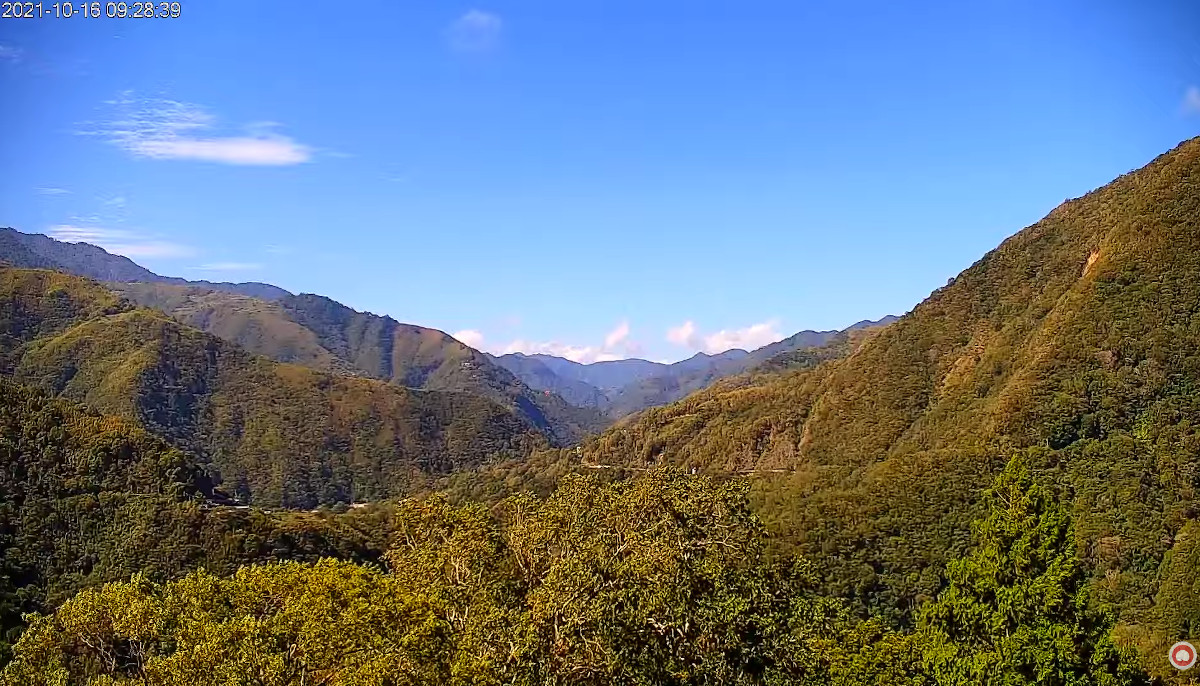
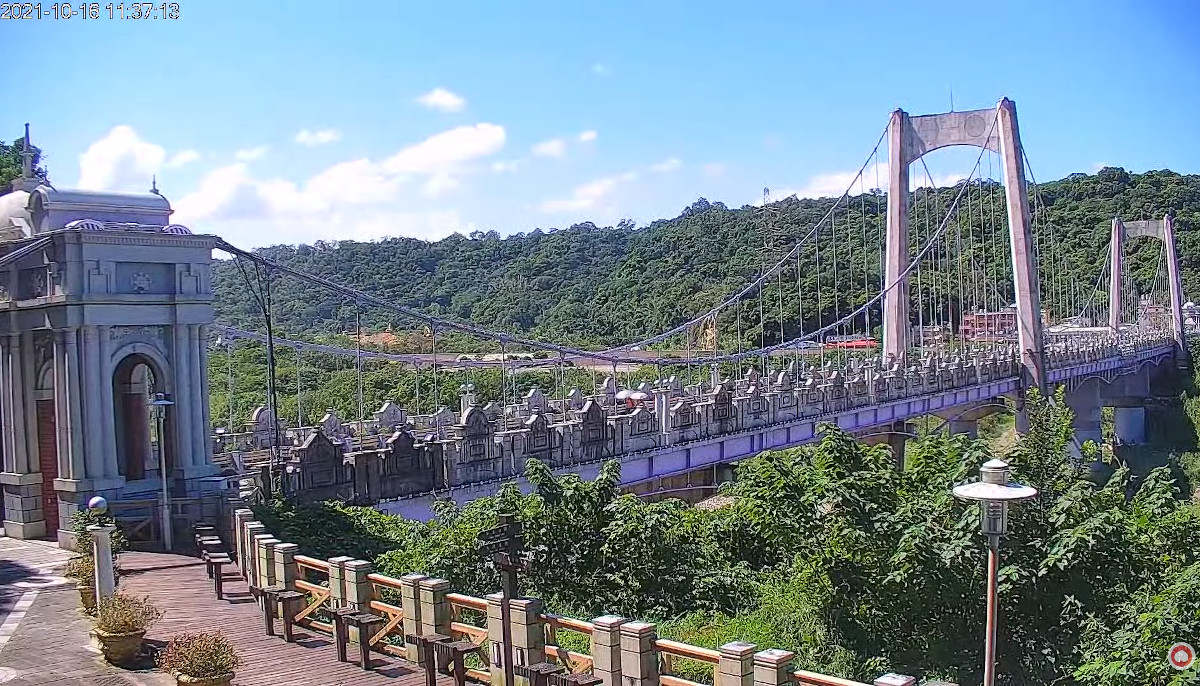
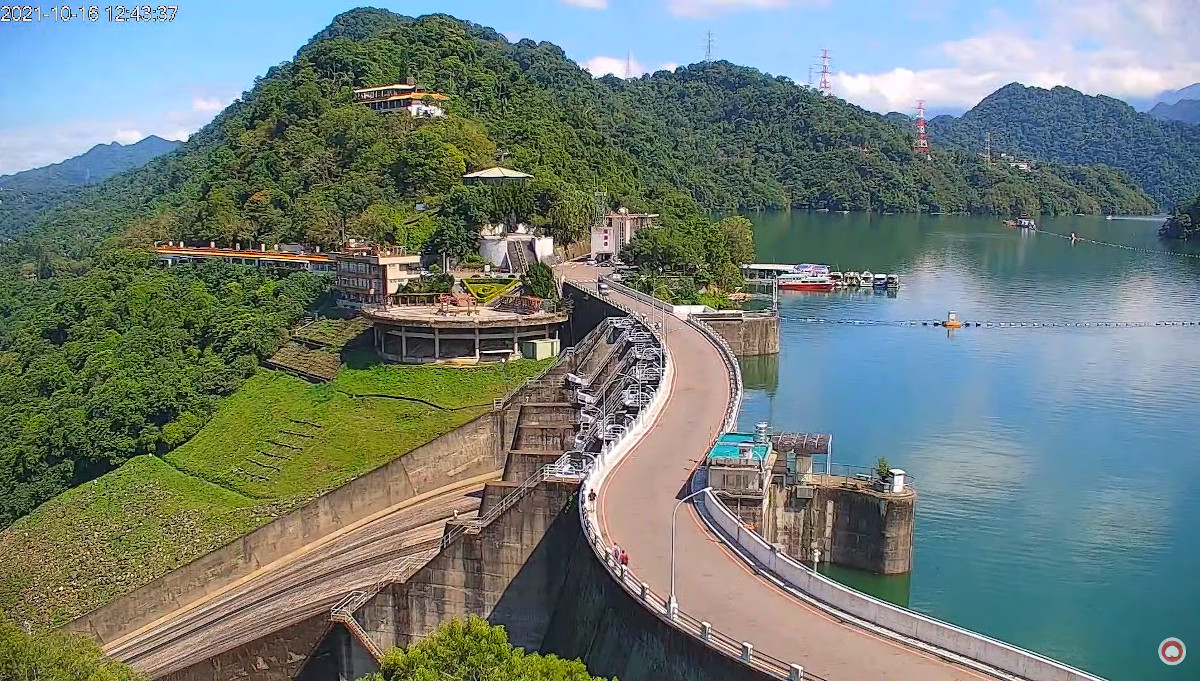
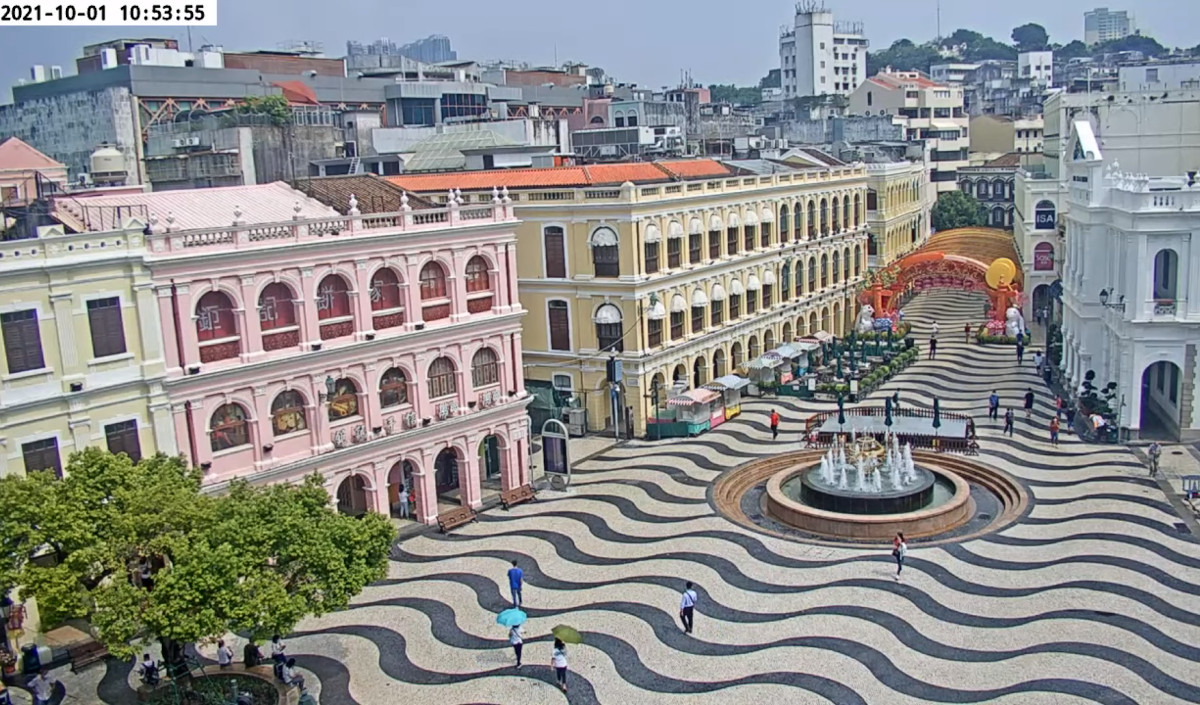
Live webcams in China stream real-time views of cities, resorts, islands, Buddhist temples, hotels, seaports, natural landscapes, lakes, mountains, beaches and attractions across the largest country in East Asia. China ranks third in the world by land area and first by population. Live webcams show the current weather conditions across cities, resorts, islands, and regions of China in real time. Some webcams also stream video with sound. The most popular live streams are listed at the top of the page, while the interactive map displays the exact location of each webcam in China.
Brief Information about China
China (official name — the People’s Republic of China) is the largest country in Asia, with a rich history, culture, and diverse natural landscapes. The population, according to recent estimates, exceeds 1.4 billion people, making it the most populous country in the world. The capital is Beijing, and other major cities include Shanghai, Guangzhou, Shenzhen, Xi’an, Chengdu, and more.
China covers an area of about 9.57–9.60 million square kilometers. By total land area, it is among the largest countries in the world, usually ranked third or fourth after Russia and Canada, and sometimes after the United States, depending on territorial measurements.
Located in East Asia, China borders North Korea and Russia to the northeast, Mongolia to the north, Kazakhstan to the northwest, Kyrgyzstan, Tajikistan, and Afghanistan to the west, Pakistan, India, Nepal, and Bhutan to the southwest, and Myanmar, Laos, and Vietnam to the south. To the east, the country is washed by the waters of the western Pacific Ocean.
China is one of the world’s largest economies by GDP and industrial output. Its strongest sectors include manufacturing, exports, technology, infrastructure, agriculture, and heavy industry. Tourism also plays a significant role, attracting millions of visitors to its cultural landmarks, natural wonders, and varied landscapes: historic cities, temples, the Great Wall, national parks, and much more.
Climate in China
China’s climate is extremely diverse due to its vast territory and geographical variety — ranging from tropical zones in the south to subarctic regions in the north.
Winters in northern and inland areas are cold, often with severe frosts and snow. Central and southern regions experience milder winters. Summers are typically hot and humid in most eastern and southern regions, while some inland areas have hot but dry summers.
The warmest months are usually July or August, with average temperatures above 28–30 °C (82–86 °F) in southern and eastern regions. The coldest month is January, especially in the north and continental areas, where temperatures can drop below −20 °C (−4 °F) and even −30 °C (−22 °F).
Rainfall is abundant in many parts of the country during summer, particularly in the east and south, heavily influenced by the monsoon. Winters are much drier, especially in northeastern and inland regions.
The best time to visit China depends on the region, but overall spring (April–May) and autumn (September–October) are considered ideal, with moderate temperatures, less rainfall, and comfortable conditions for travel.
Attractions of China
China offers one of the richest collections of cultural, historical, and natural attractions in the world. Below are some of the most popular and well-known sites:
— The Great Wall of China — the nation’s most iconic landmark, stretching for thousands of kilometers. Built and expanded over many dynasties to protect the northern borders, the most famous sections are located near Beijing, though the wall extends across several provinces.
— The Forbidden City (Beijing) — a monumental palace complex that served as the residence of the Ming and Qing emperors. It houses thousands of halls and chambers, magnificent gardens, and museums that showcase the grandeur of Chinese architecture and culture.
— The Terracotta Army (Xi’an) — an extraordinary archaeological site that is the burial complex of the first emperor, Qin Shi Huang. Thousands of life-sized clay soldiers and horses stand guard over the emperor’s tomb.
— The Potala Palace (Lhasa, Tibet) — a majestic complex that served as the residence of the Dalai Lamas and remains a spiritual center of Tibetan Buddhism. Its white walls and golden roofs rise above the city, symbolizing both power and sanctity.
— China’s Natural Treasures — breathtaking landscapes such as Zhangjiajie National Forest Park with its towering sandstone pillars, the Li River near Guilin with its picturesque karst scenery, and the legendary Yellow Mountains (Huangshan), known for their jagged peaks, misty vistas, and ancient pines.
Other highly popular destinations include modern Shanghai with its skyscrapers, port, and the Bund waterfront, as well as Hong Kong and Guangzhou.
Among cultural highlights are the Temple of Heaven in Beijing, the Summer Palace, world-class museums, ancient cities, traditional Chinese architecture, and classic gardens and water landscapes.