Kossuth Square, Debrecen
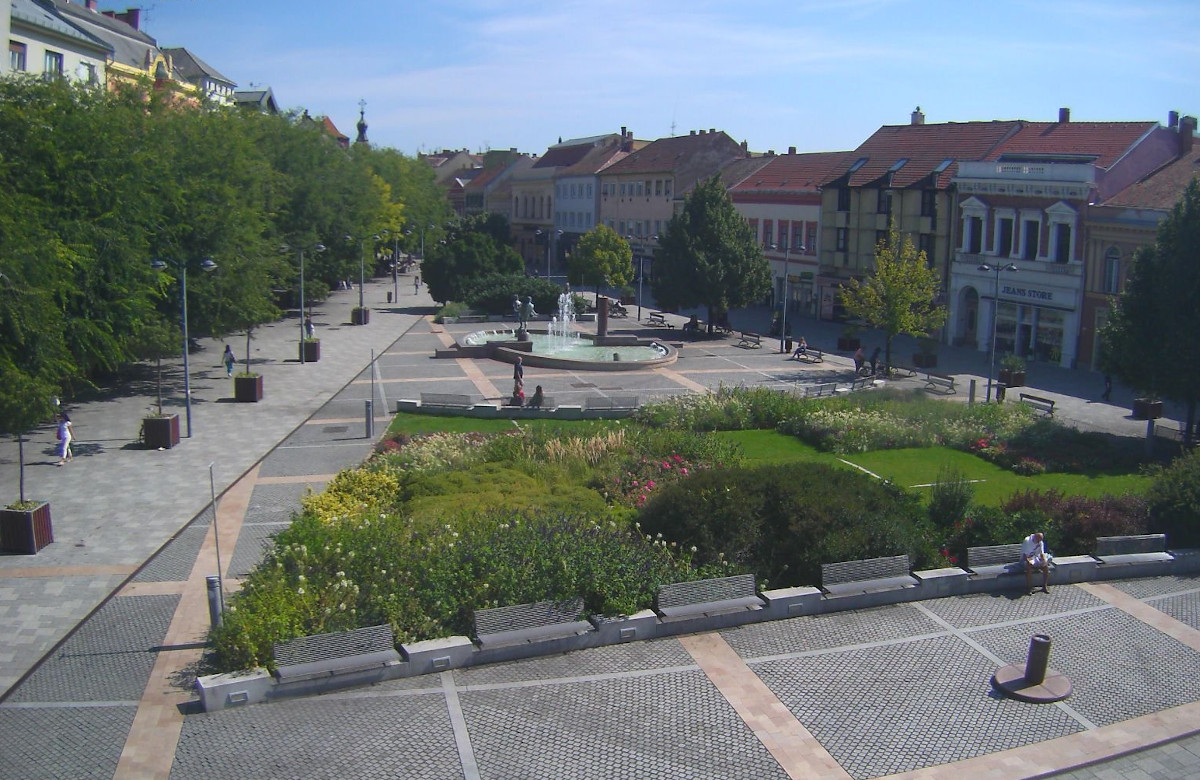
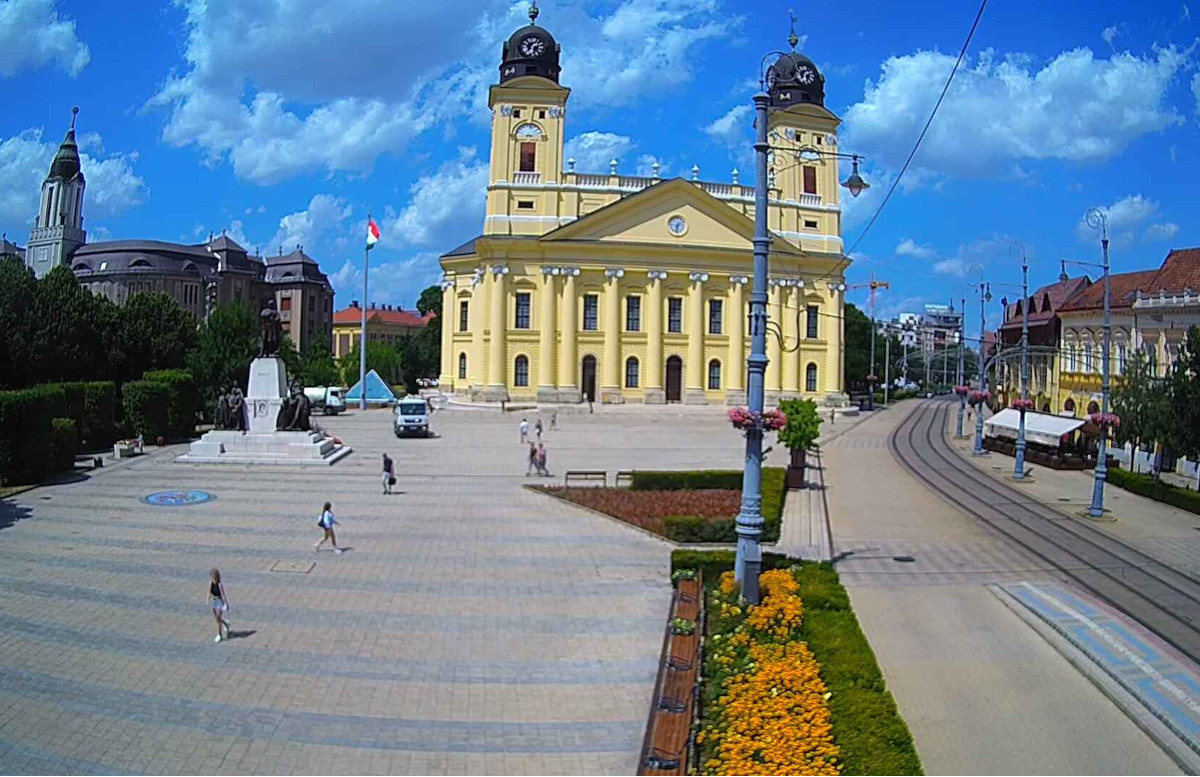
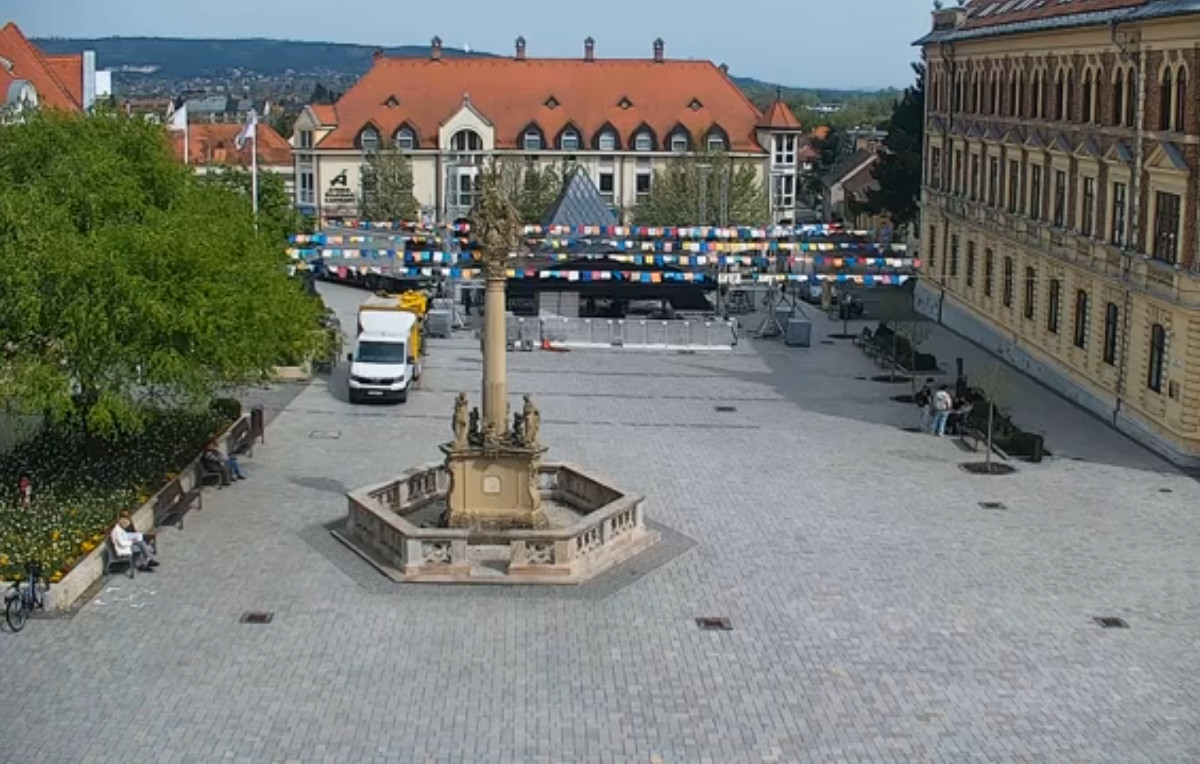
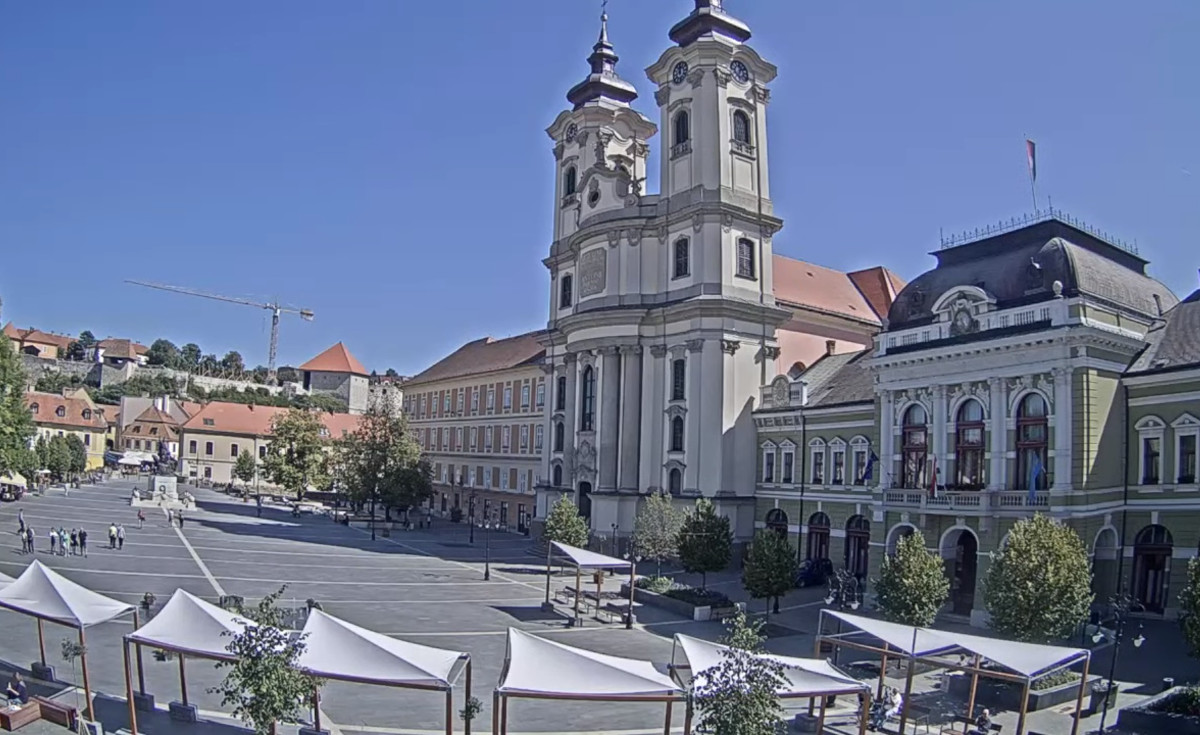
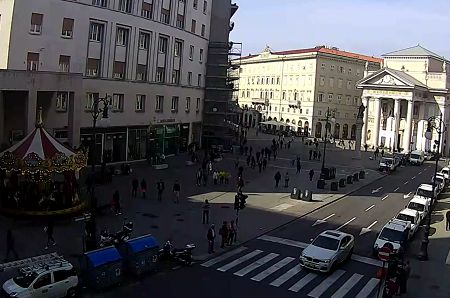
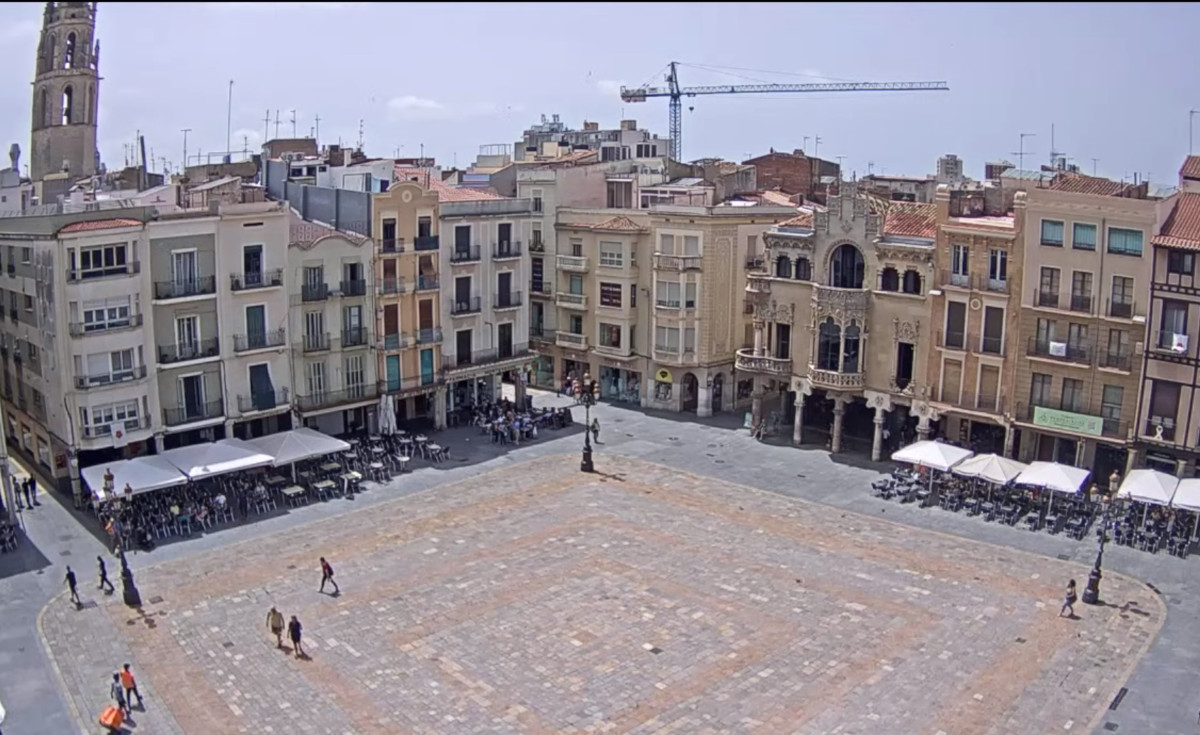
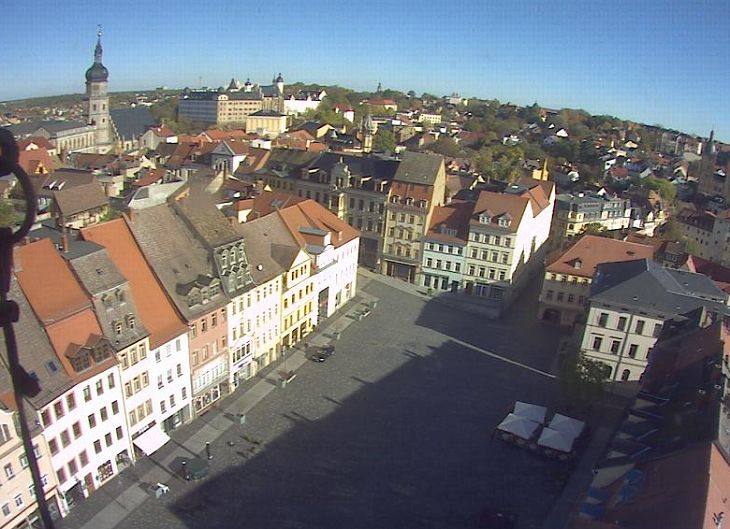
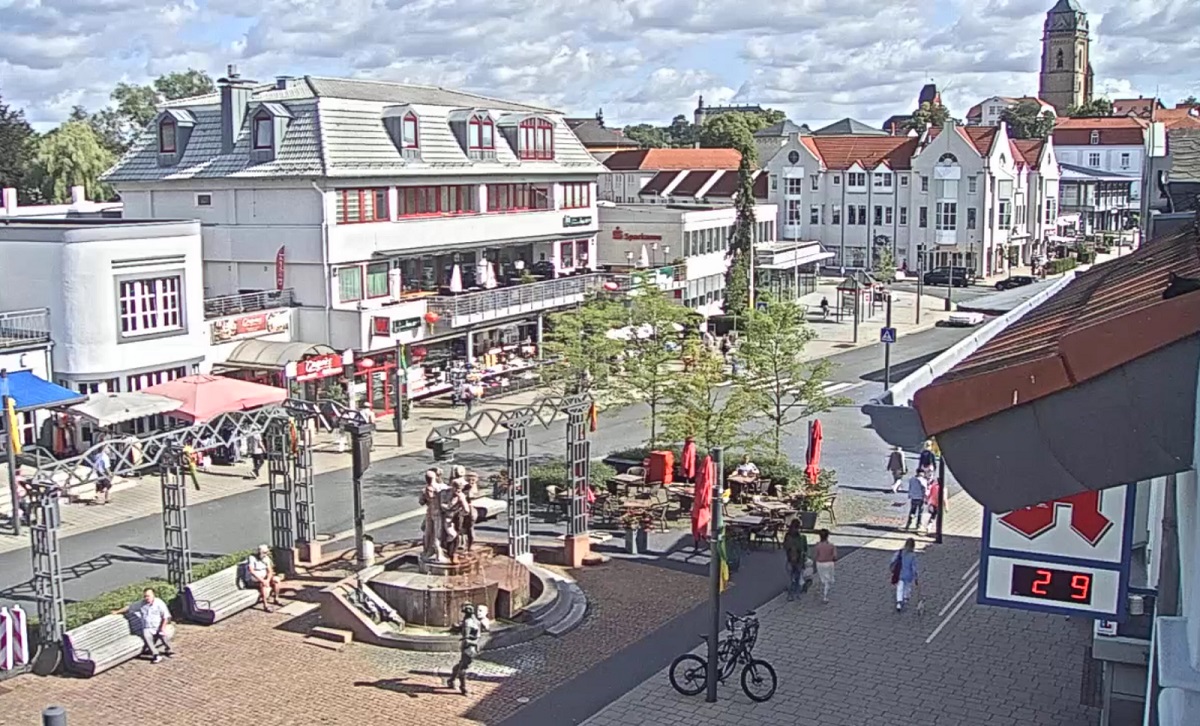
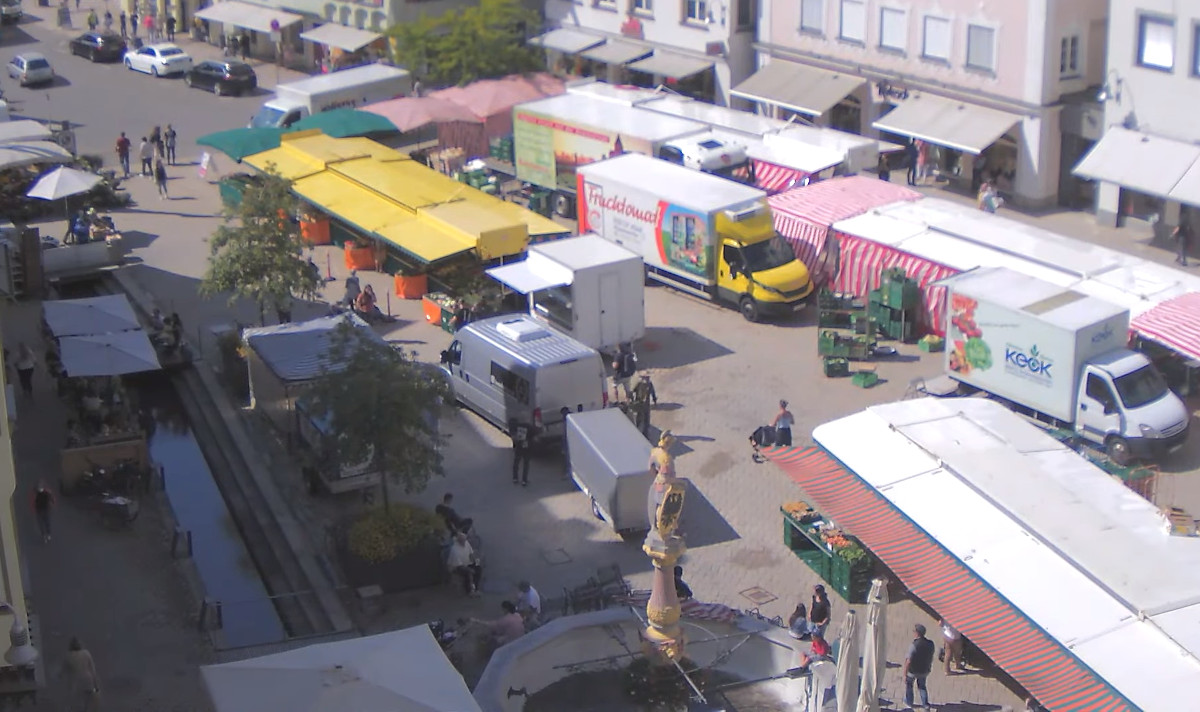
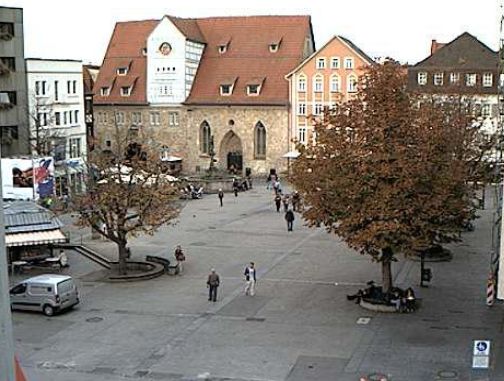
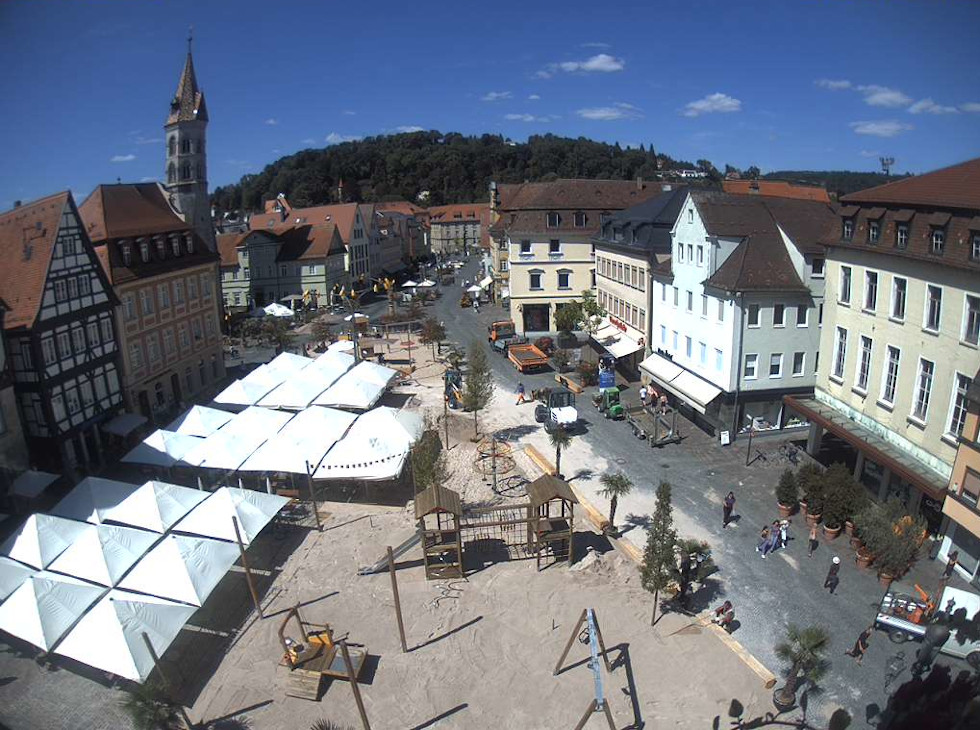
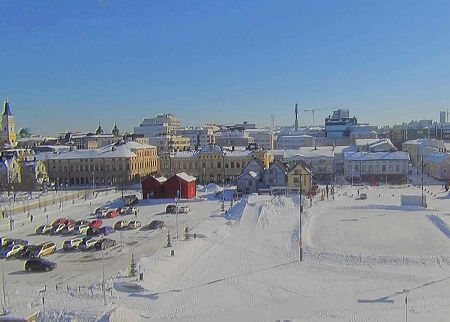
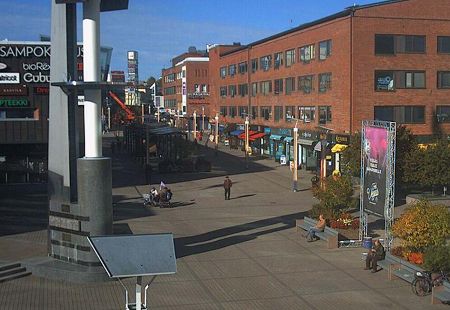
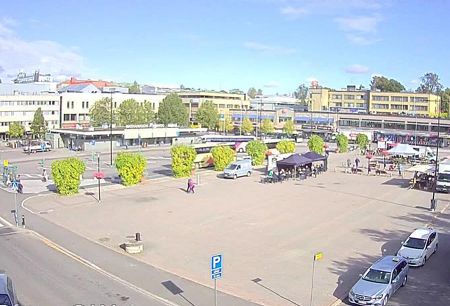
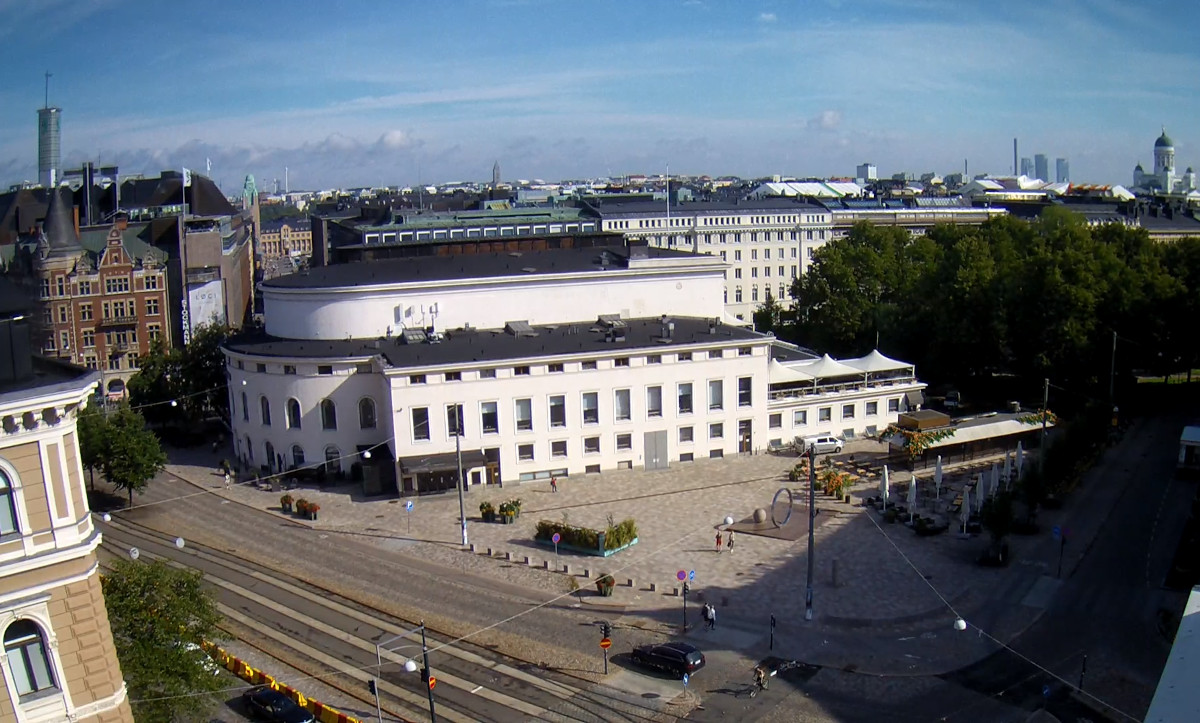
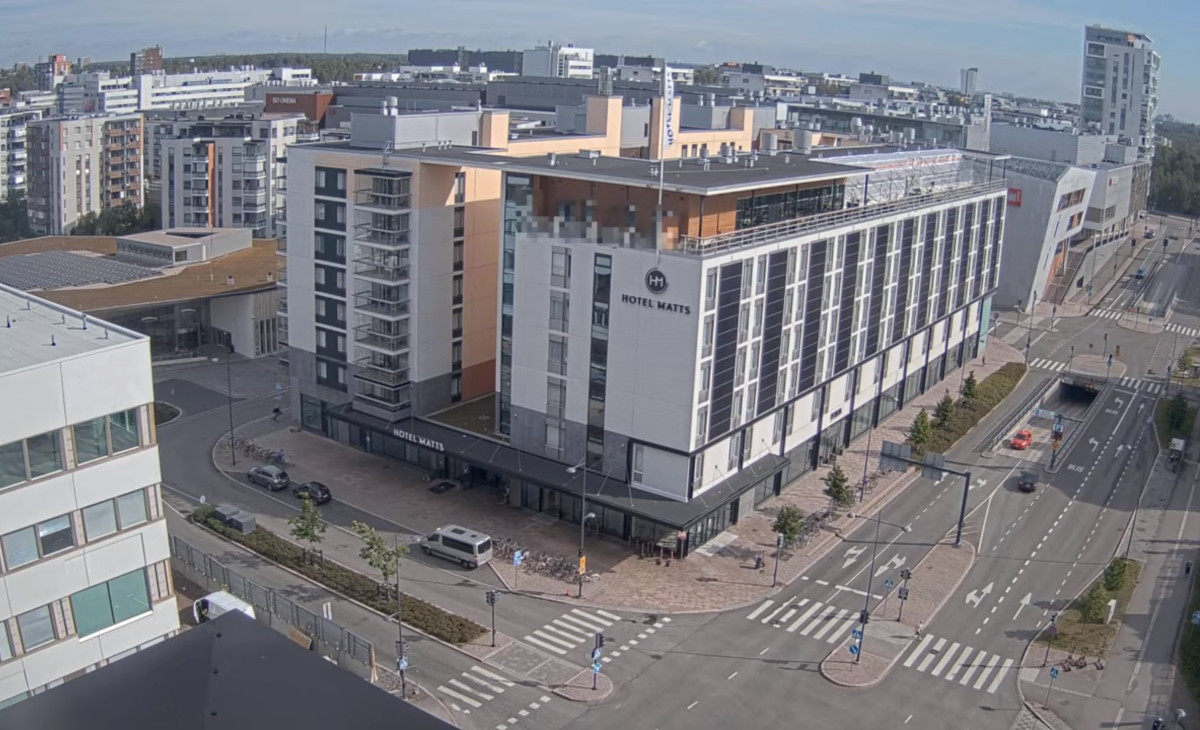
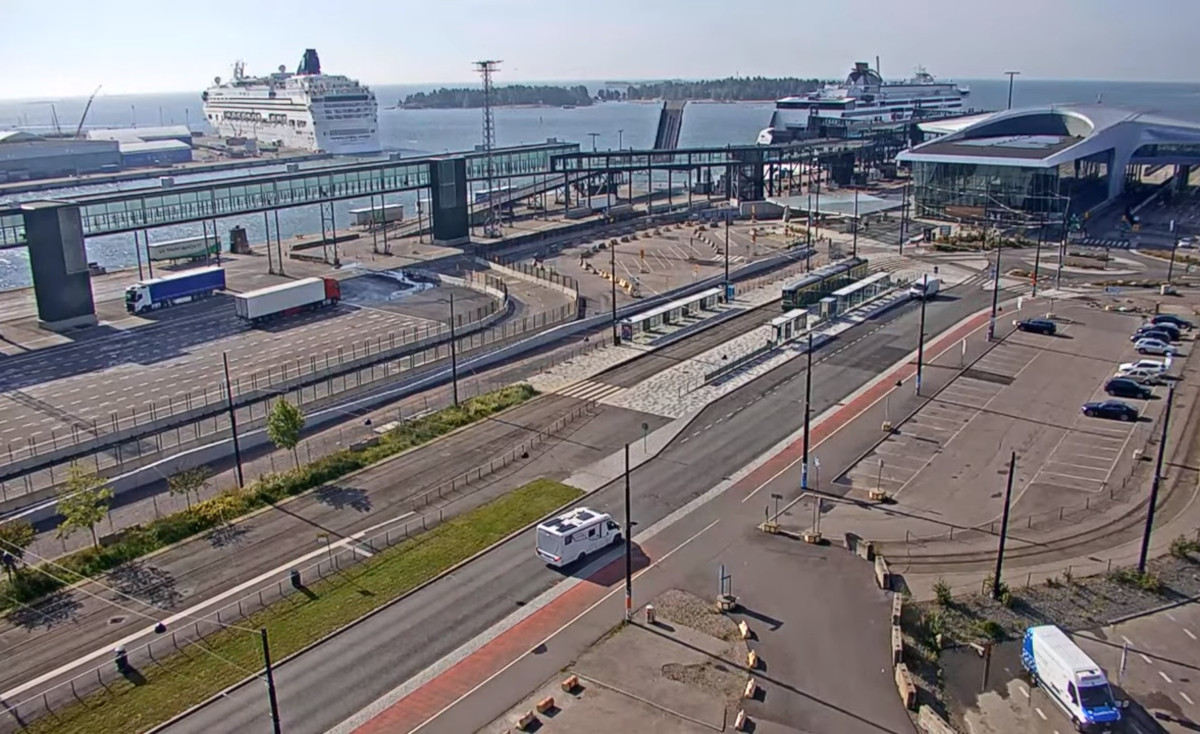
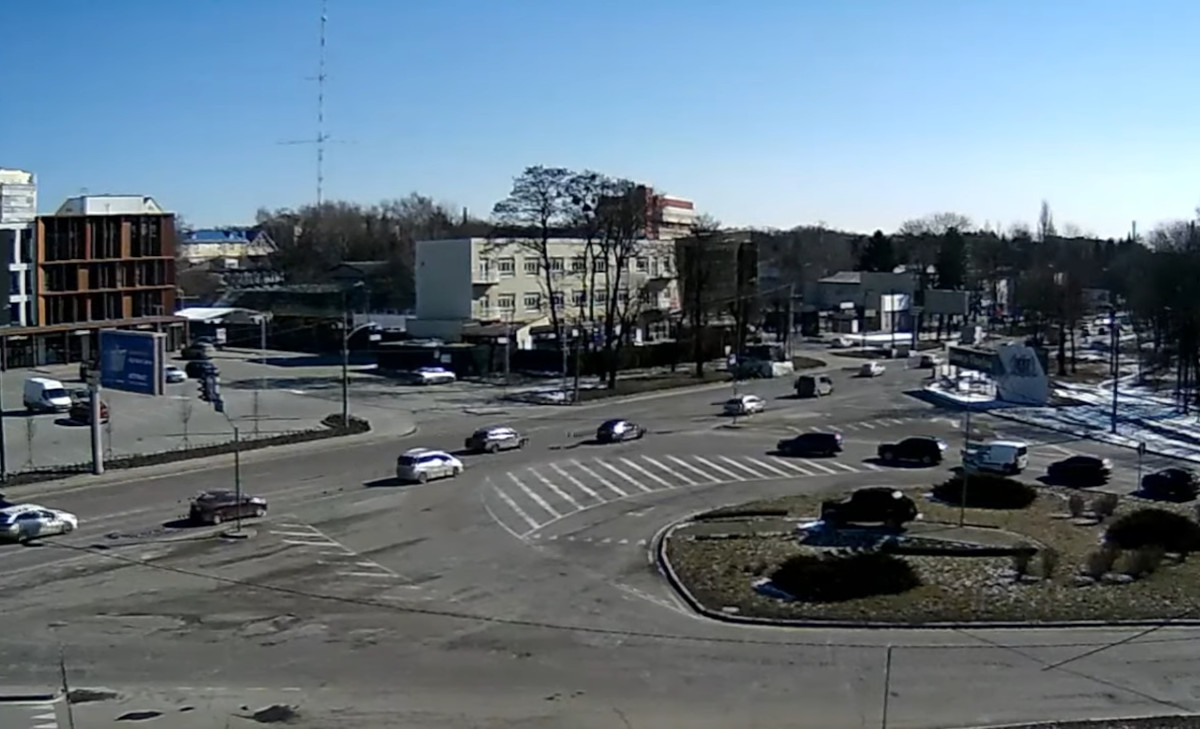
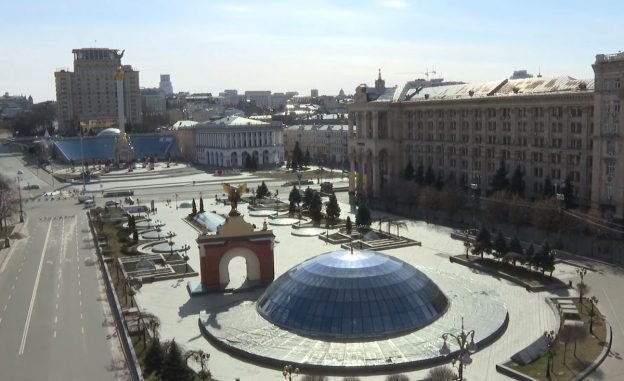
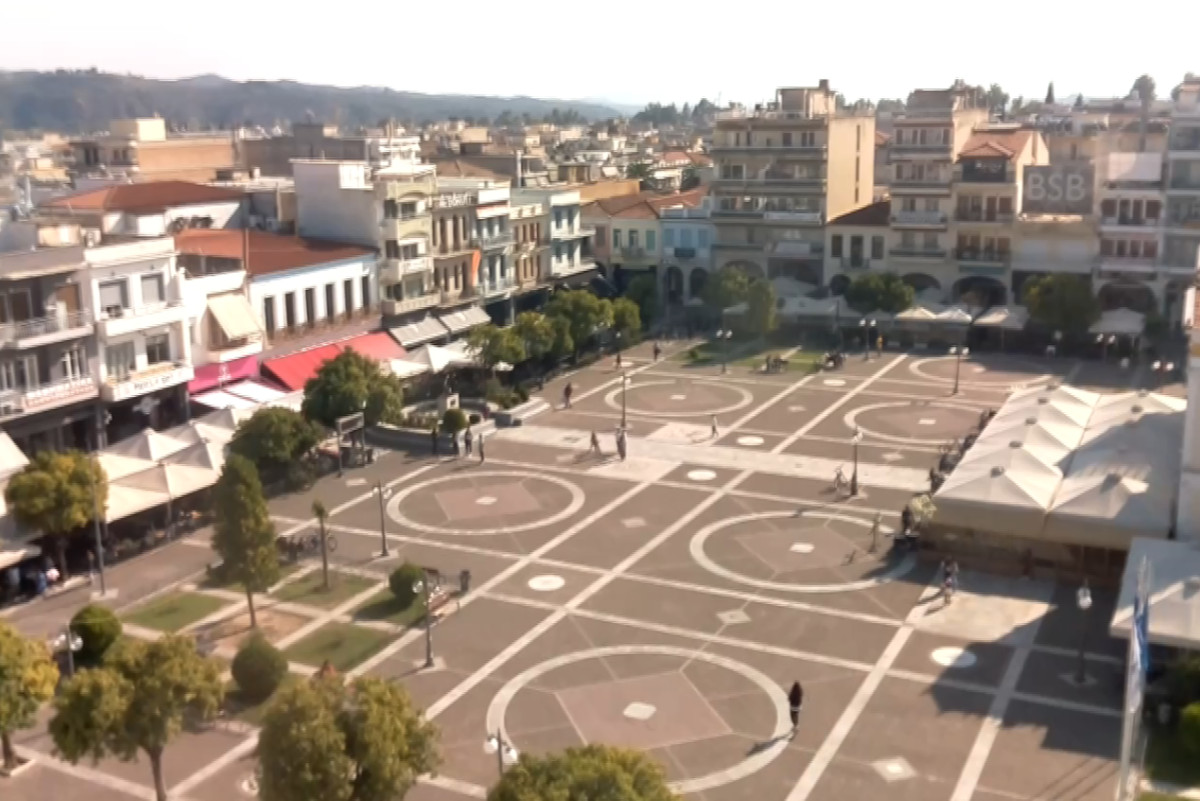
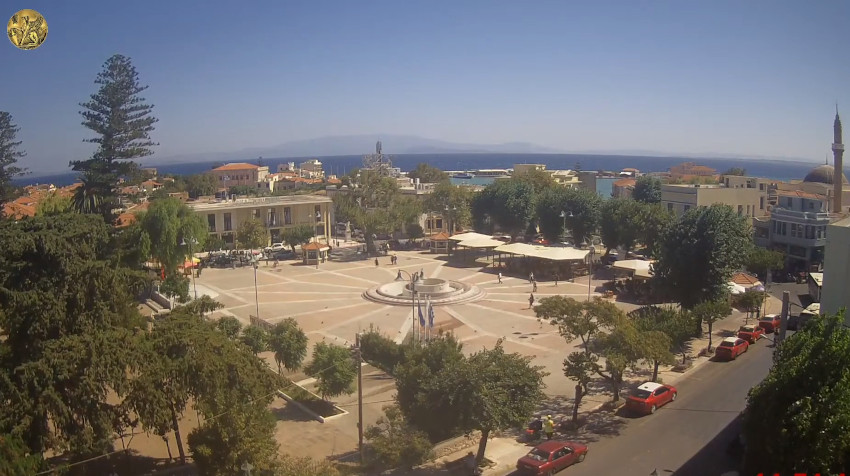
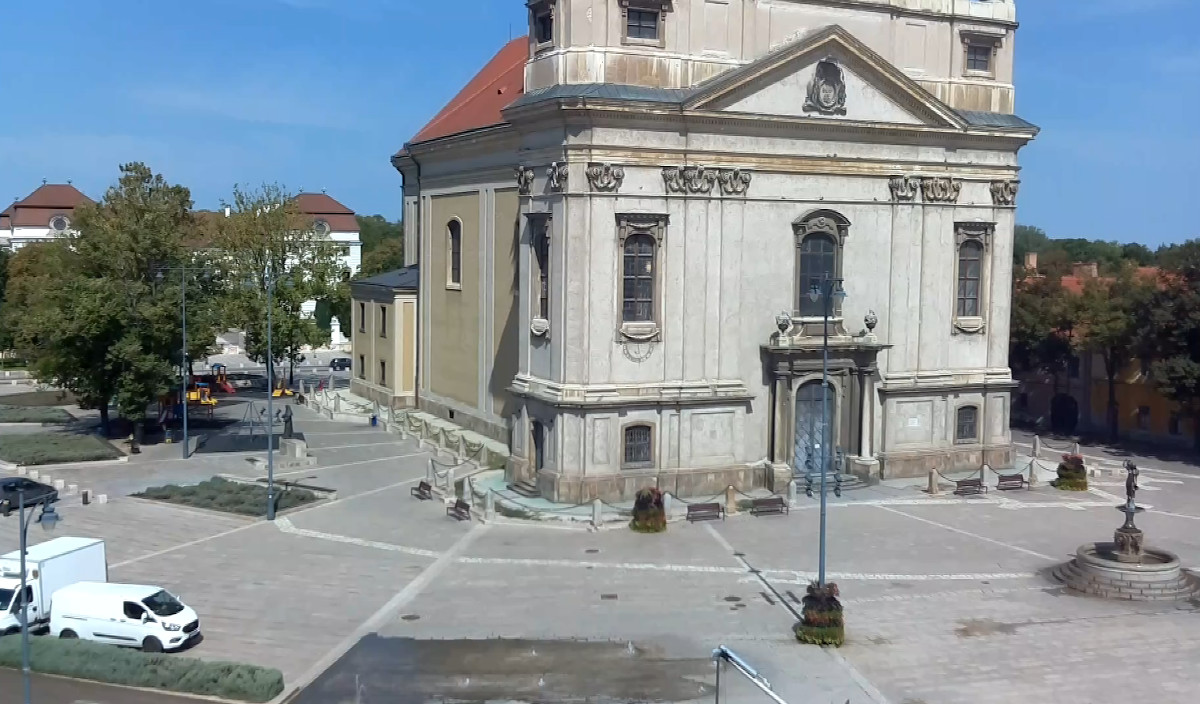
The real-time webcam shows Kossuth Square in the city of Debrecen, Hungary.
Debrecen is the second-largest city in Hungary, located in the eastern part of the country in the Northern Great Plain region. It is known as the “Calvinist Rome” due to its centuries-old Reformed tradition and the largest Protestant church in Hungary. It was here in 1849 that Lajos Kossuth proclaimed Hungary’s independence from the Habsburgs, forever etching the city into the history of European revolutions. Today, Debrecen is an important educational center with one of the oldest universities in the country.
Debrecen’s main square, Kossuth Square (Kossuth tér), is one of the most spacious pedestrian zones in Europe. Renovated in 2001, it is paved with cobblestones, but tram lines No. 1 and 2 still run through it, giving the square a unique character. Embedded into the pavement is the coat of arms of Debrecen, made from 180,000 pieces of Venetian glass mosaic — one of the square’s main modern features. The Millennium Fountain is also located here, looking especially beautiful when illuminated in the evening.
The main architectural landmark is the Great Reformed Church (Nagytemplom), the largest Protestant church in Hungary. Built between 1805 and 1824 in the Neoclassical style to a design by Mihály Péchy, it can accommodate approximately 5,000 people (3,000 seated). Its two 200‑foot‑tall (61‑meter) towers are visible from anywhere in the city center. It was here on April 14, 1849, that Lajos Kossuth read the Declaration of Independence — the chair he sat in is still preserved inside. Hanging in the left tower is the largest bell among all Hungarian Protestant churches — the “Rákóczi Bell,” weighing 12,350 pounds (5,600 kg).
In front of the church stands a monumental statue of Lajos Kossuth (1914, sculptor János Horvay). At the base of the 16‑foot‑tall (5‑meter) pedestal are figures of four of his associates, including the author of the Declaration of Independence, Imre Szacsvai, and the mayor of Debrecen, Mihály Kónyves Tóth. On the western side, the square is flanked by the famous Aranybika Hotel (“Golden Bull”) — a masterpiece of the Secessionist style, built between 1913 and 1915 to a design by Alfréd Hajós, Hungary’s first Olympic champion.