Popocatepetl Volcano Crater Live Webcam – Mexico
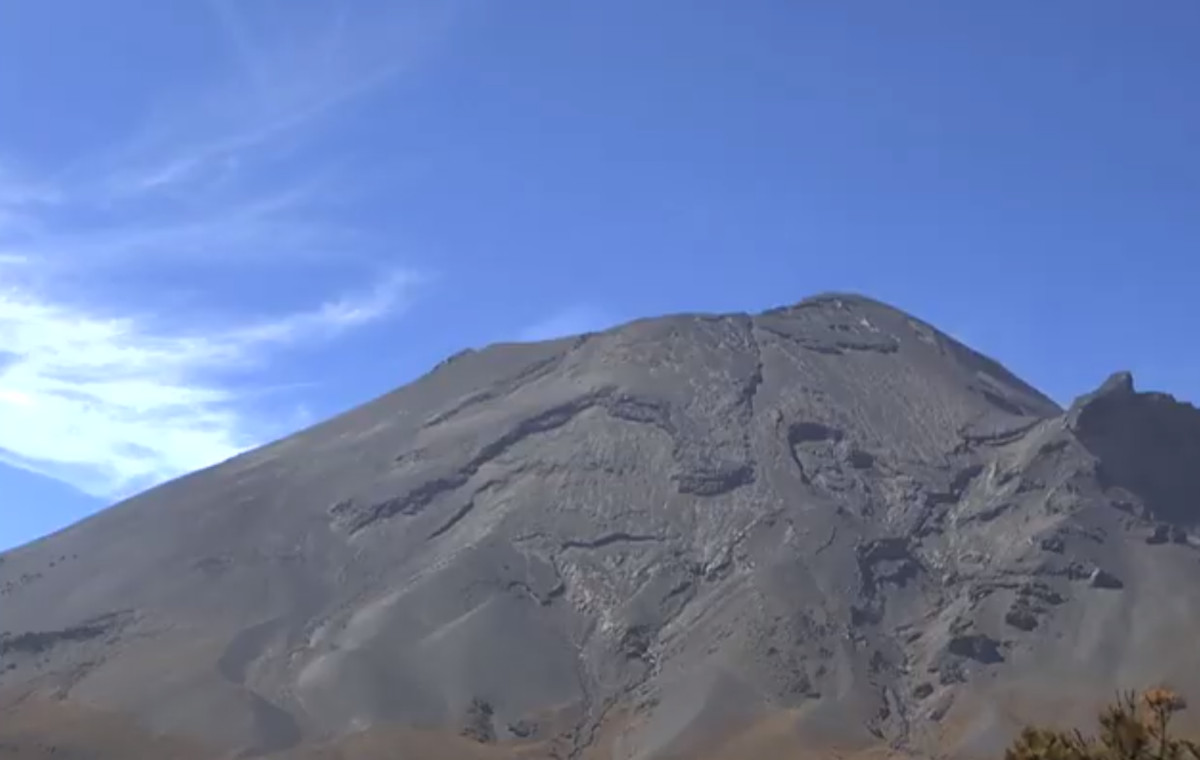
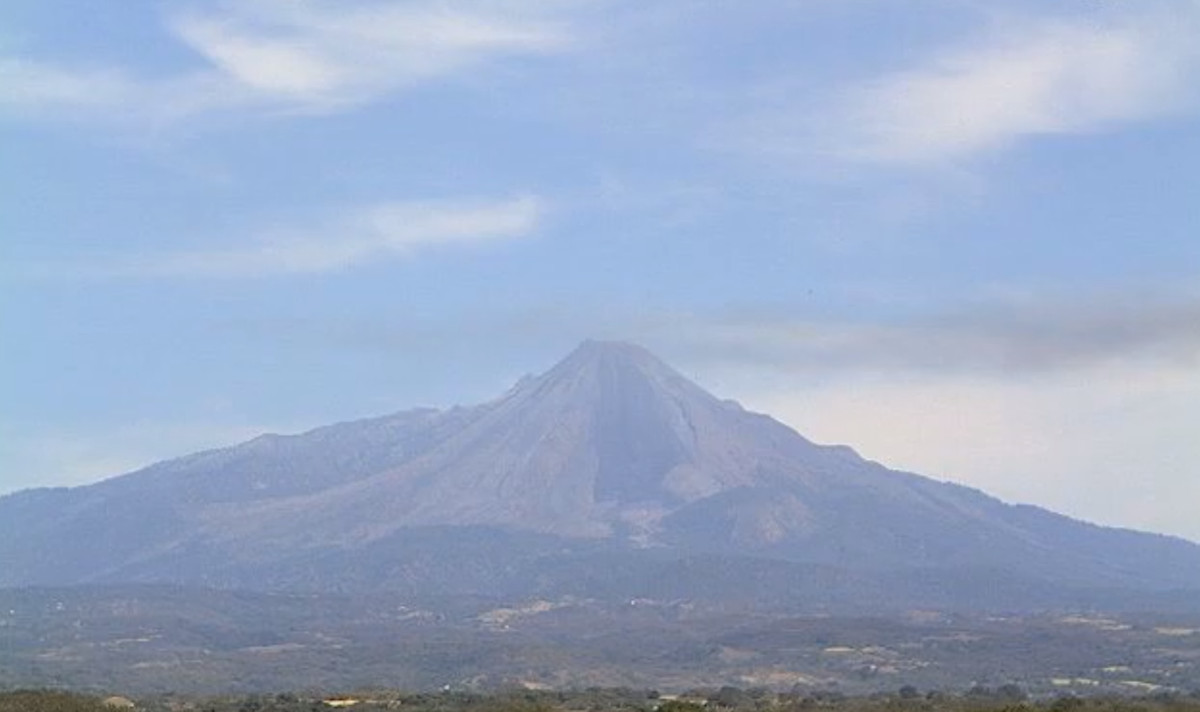
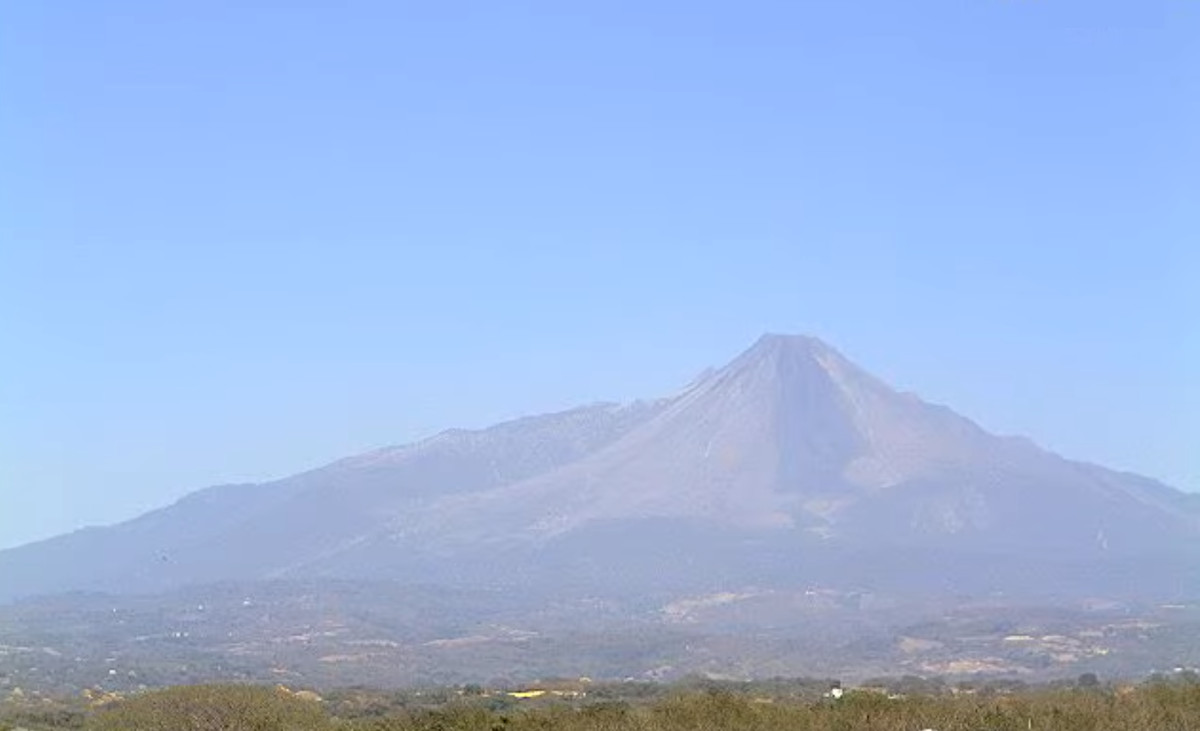
This live webcam provides real-time views of the crater of Popocatépetl Volcano in Mexico.
Popocatépetl Volcano is one of Mexico’s most famous natural landmarks and one of the most active volcanoes in North America. It is an active stratovolcano and the second-highest volcano in Mexico, surpassed only by Pico de Orizaba (Volcán Orizaba). Popocatépetl rises to an elevation of 5,426 meters (17,802 feet) above sea level, while Pico de Orizaba reaches 5,610 meters (18,406 feet). The name Popocatépetl comes from the Nahuatl language and translates to “Smoking Mountain,” a direct reference to its frequent emissions of ash and volcanic gases.
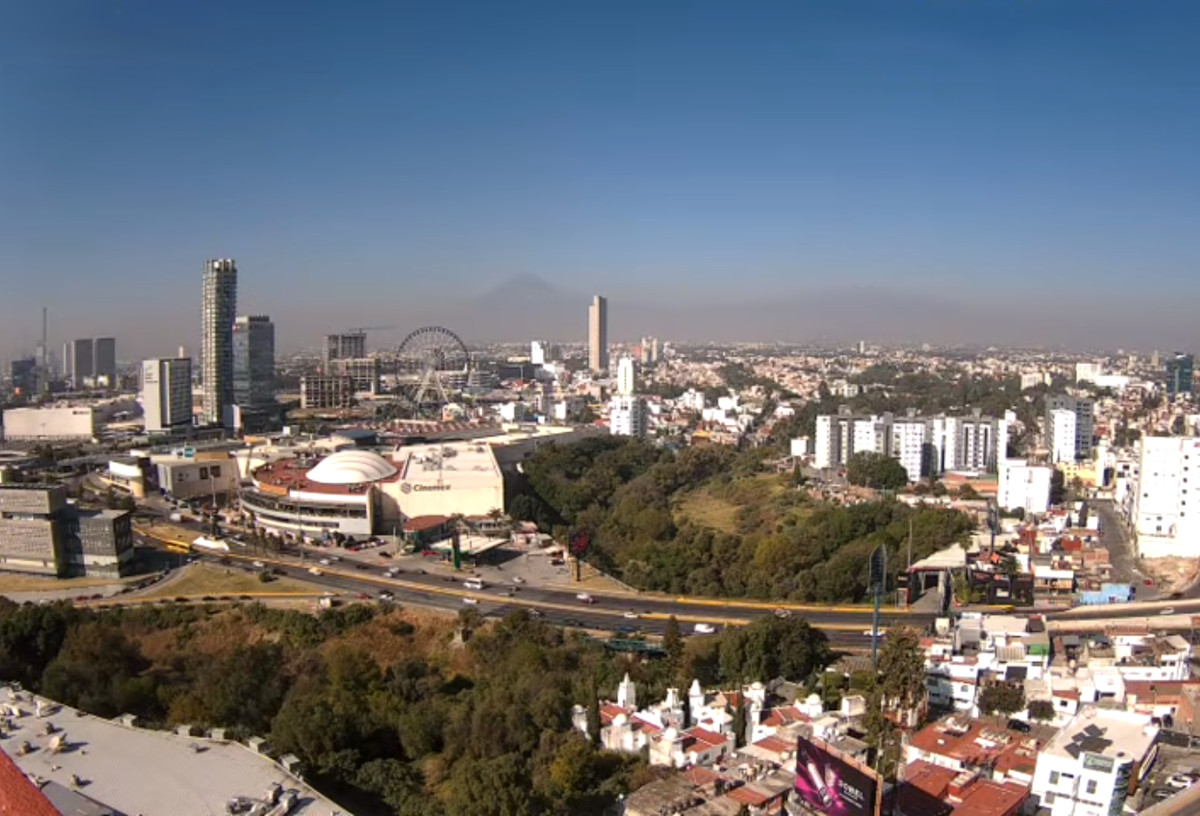
Located in central Mexico, Popocatépetl is part of the Trans-Mexican Volcanic Belt and lies on the borders of the states of Puebla, Morelos, and Mexico City. The volcano is situated approximately 80 km (50 miles) west of Puebla and 70 km (43 miles) southeast of Mexico City. Nearby stands the dormant Iztaccíhuatl Volcano, often referred to as a sacred mountain. Together, Popocatépetl and Iztaccíhuatl form one of Mexico’s most iconic volcanic pairs and play a significant role in the country’s history, mythology, and cultural identity.
Popocatépetl is renowned for its high and persistent volcanic activity. The first documented eruption dates back to 1347, making it one of the longest-monitored volcanoes in the Americas. In modern times, notable eruptions occurred in 1947, 1994, and 2000. Since 1994, the volcano has remained continuously active, producing regular ash plumes, volcanic gas emissions, and incandescent rock fragments, often visible from surrounding regions.
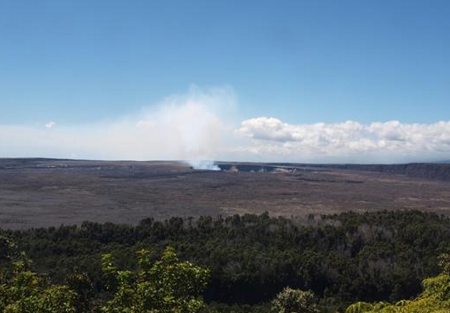
The crater of Popocatépetl measures approximately 600 meters (1,970 feet) in diameter and frequently releases ash and gas into the atmosphere. Its shape and internal structure change over time due to ongoing magma movement and explosive events. Because of its constant activity and proximity to major population centers, Popocatépetl is under continuous monitoring by Mexican volcanic and seismic agencies and is considered one of the most closely studied active volcanoes in the world.