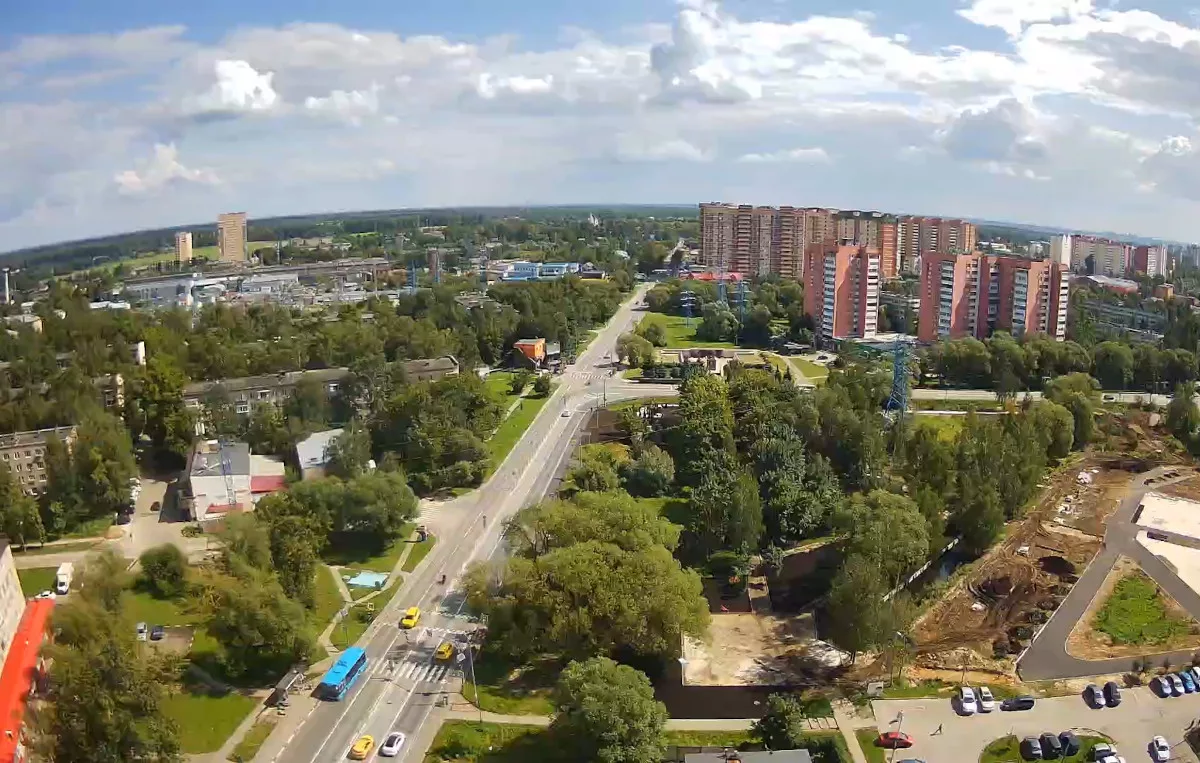
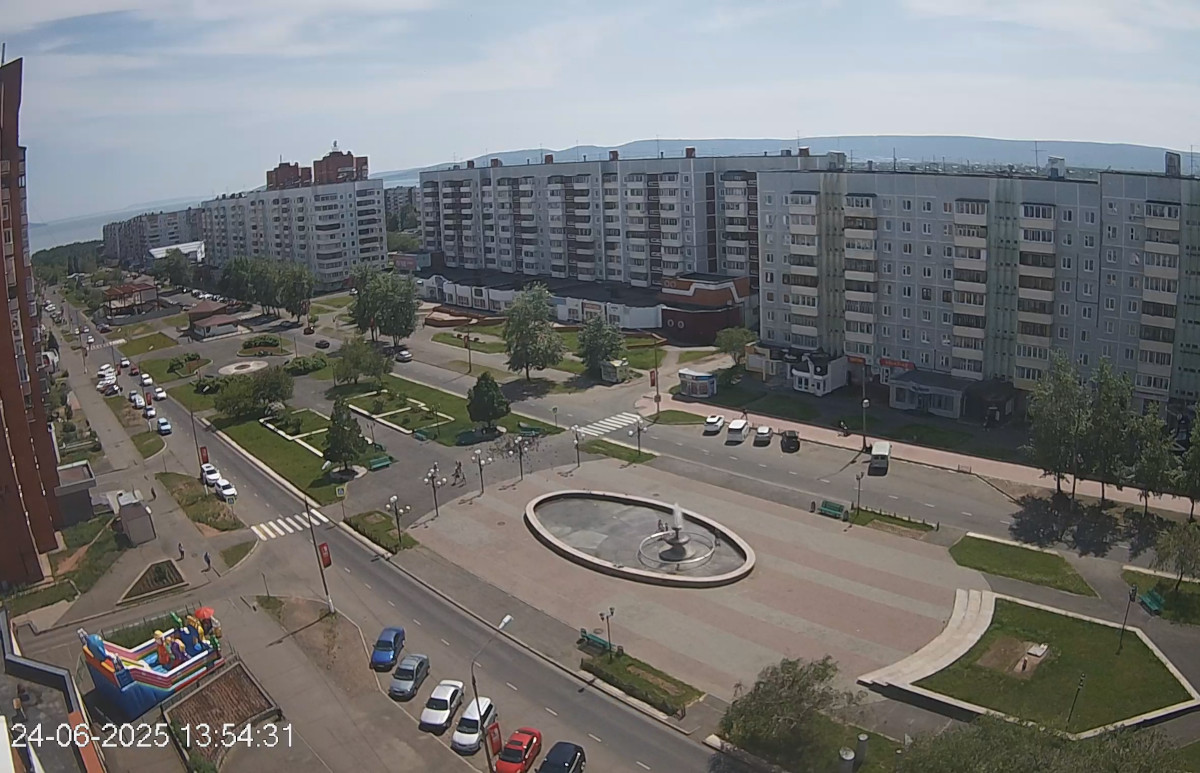
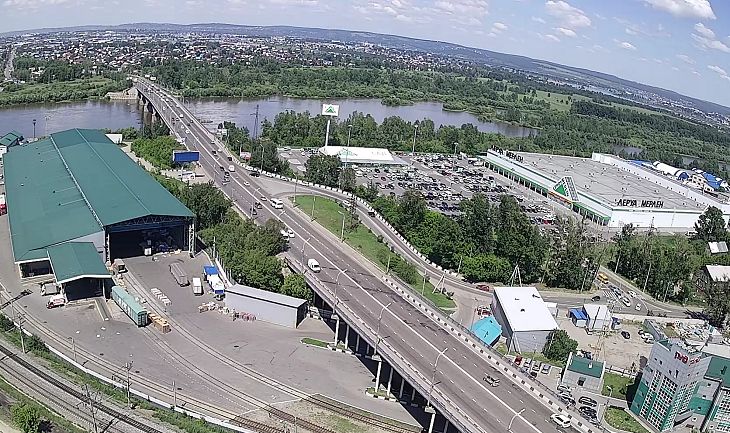
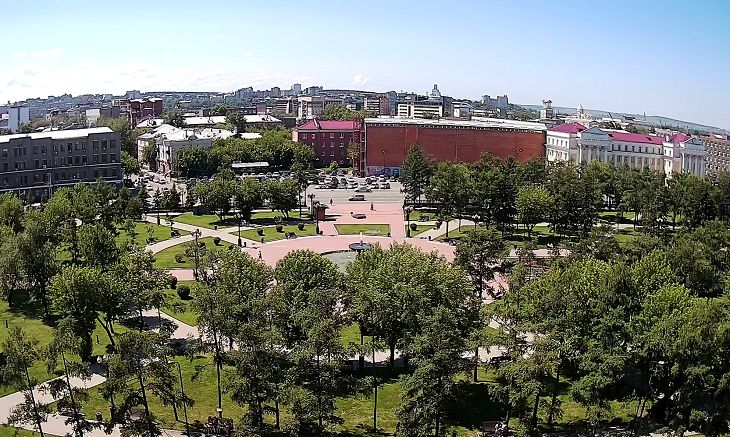
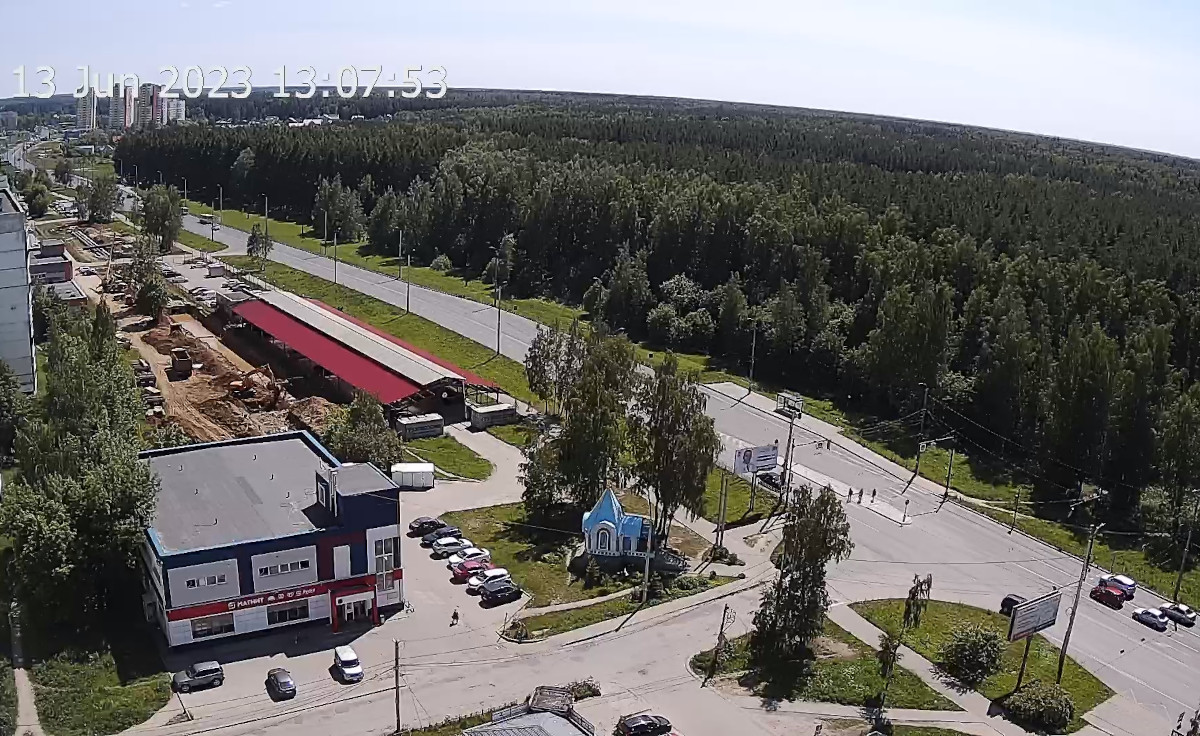
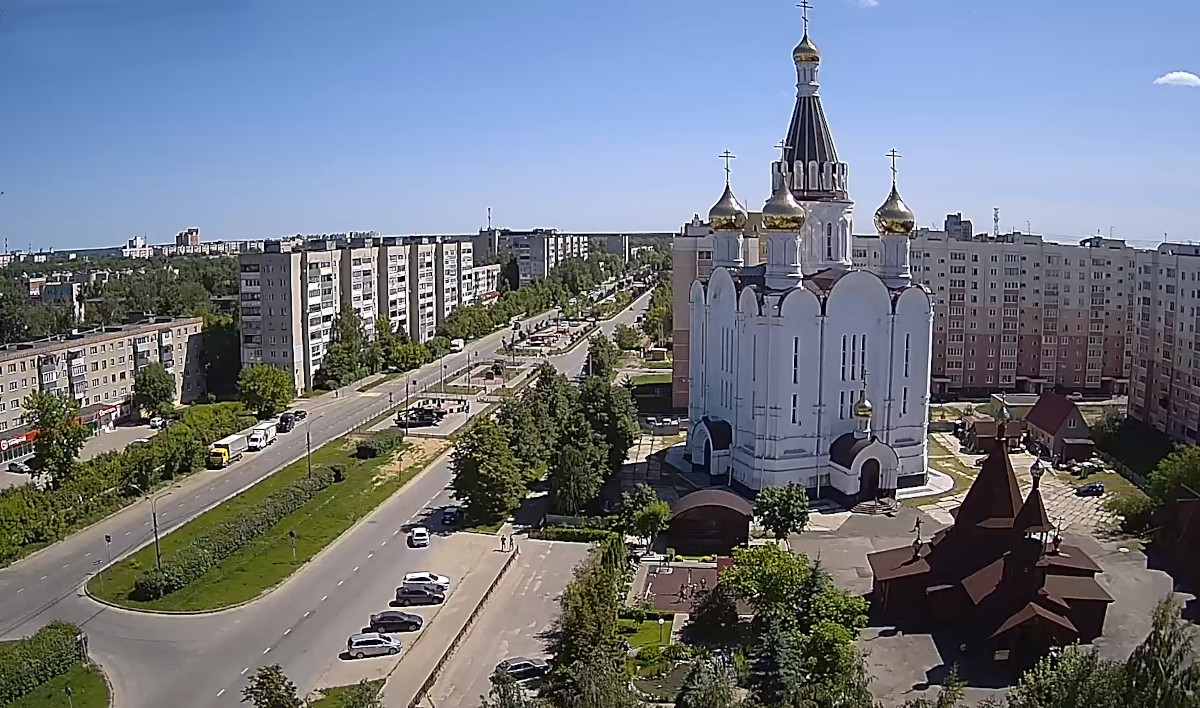
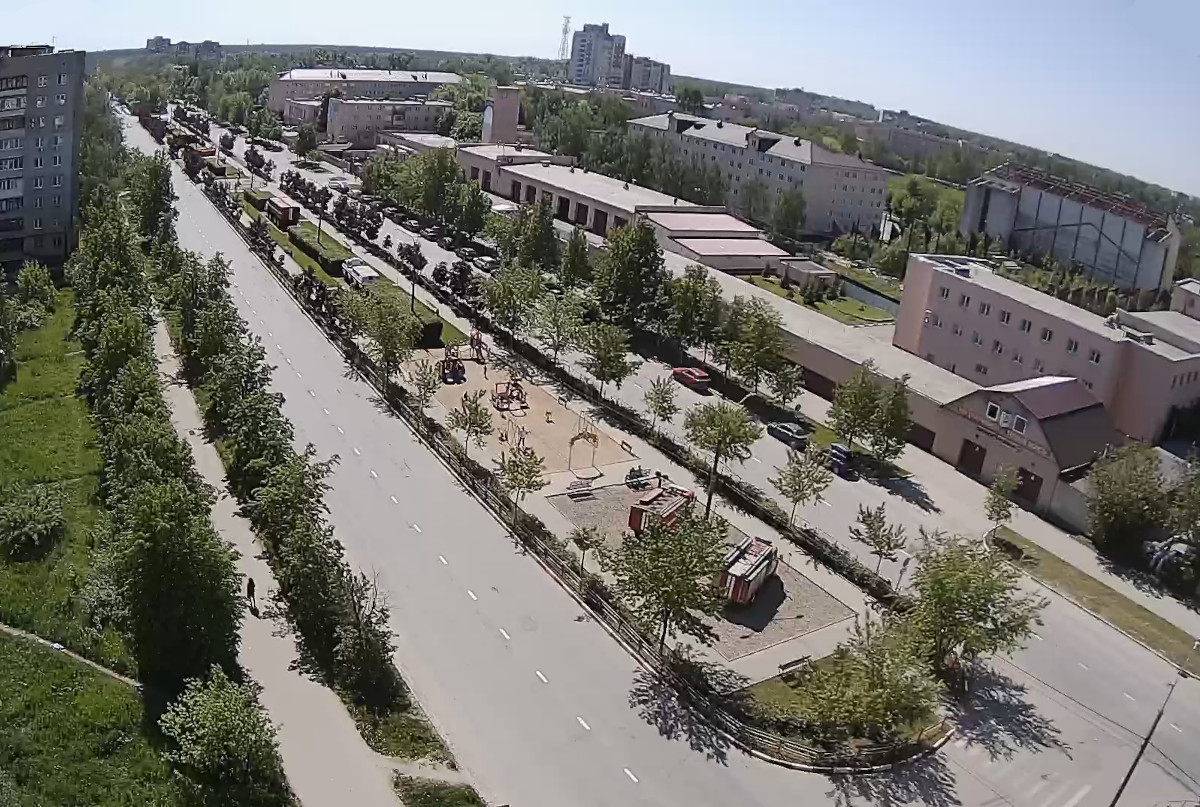
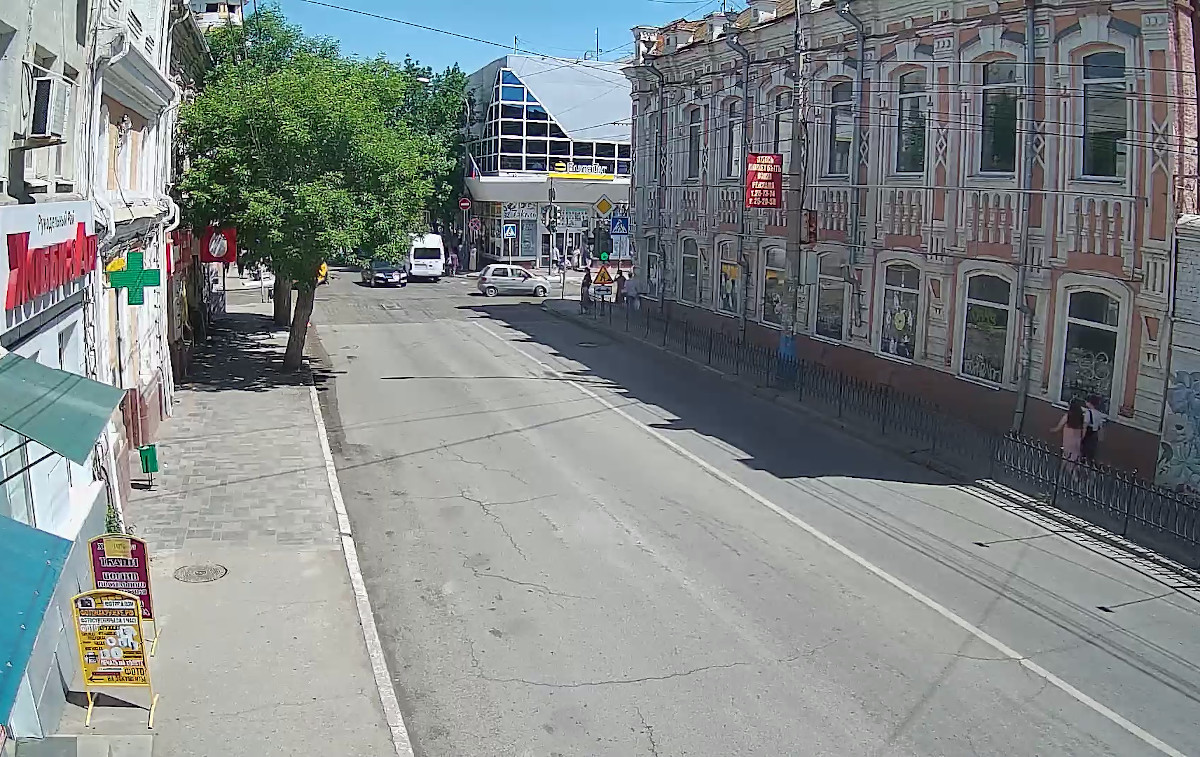
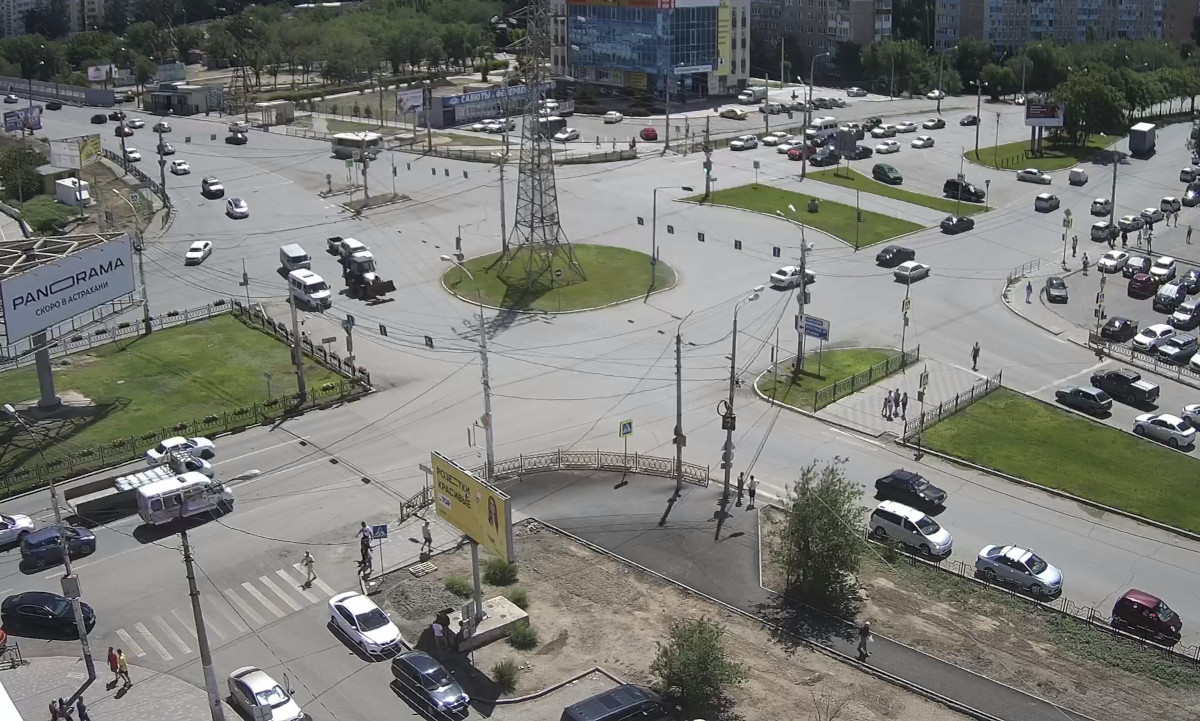
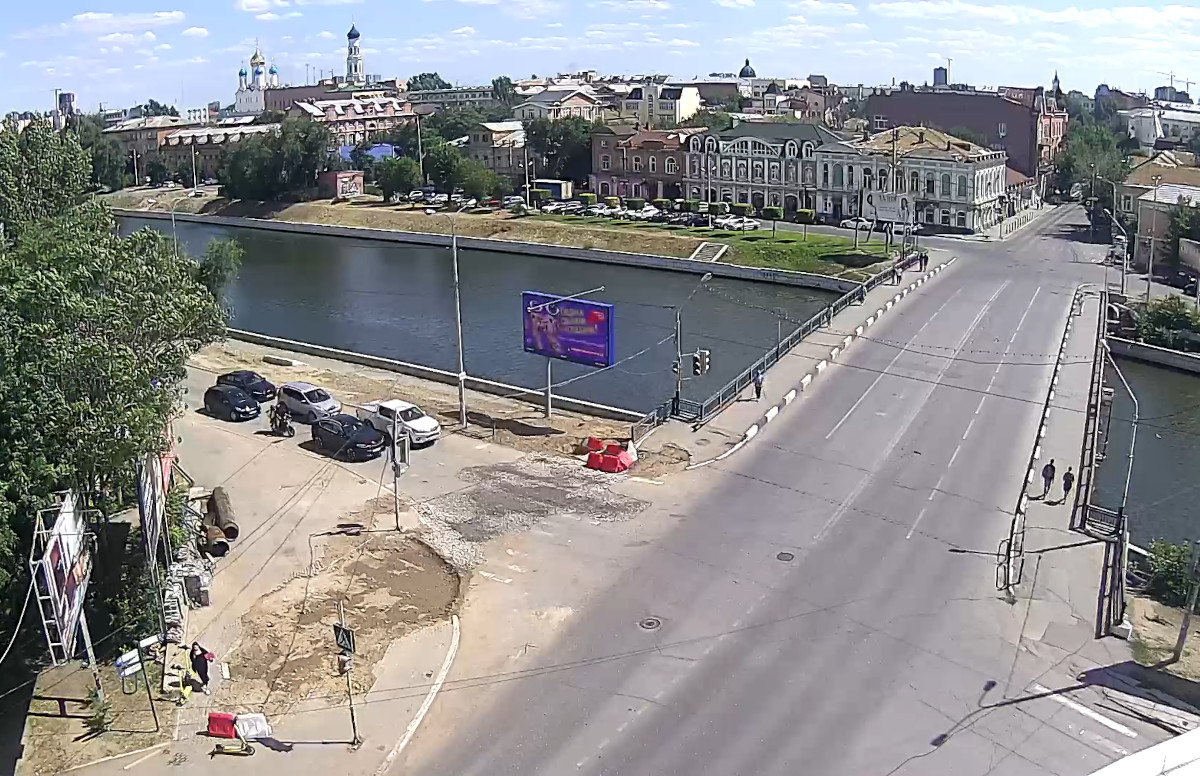
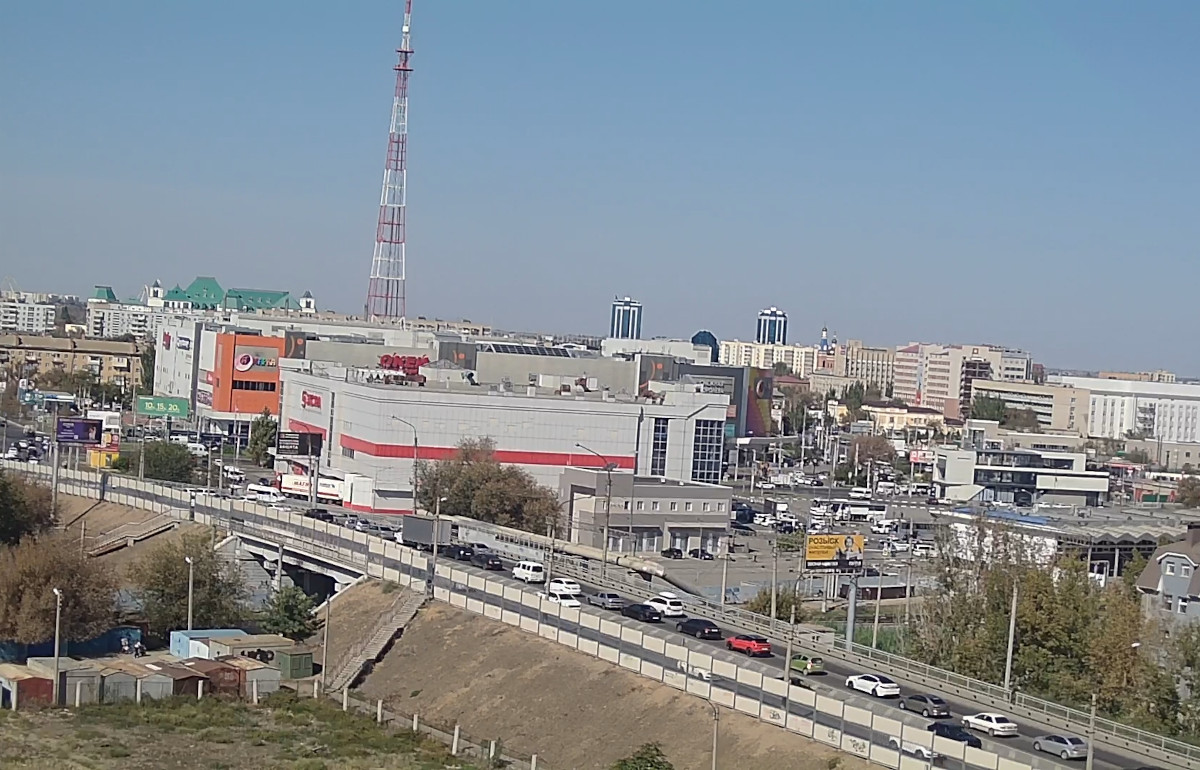
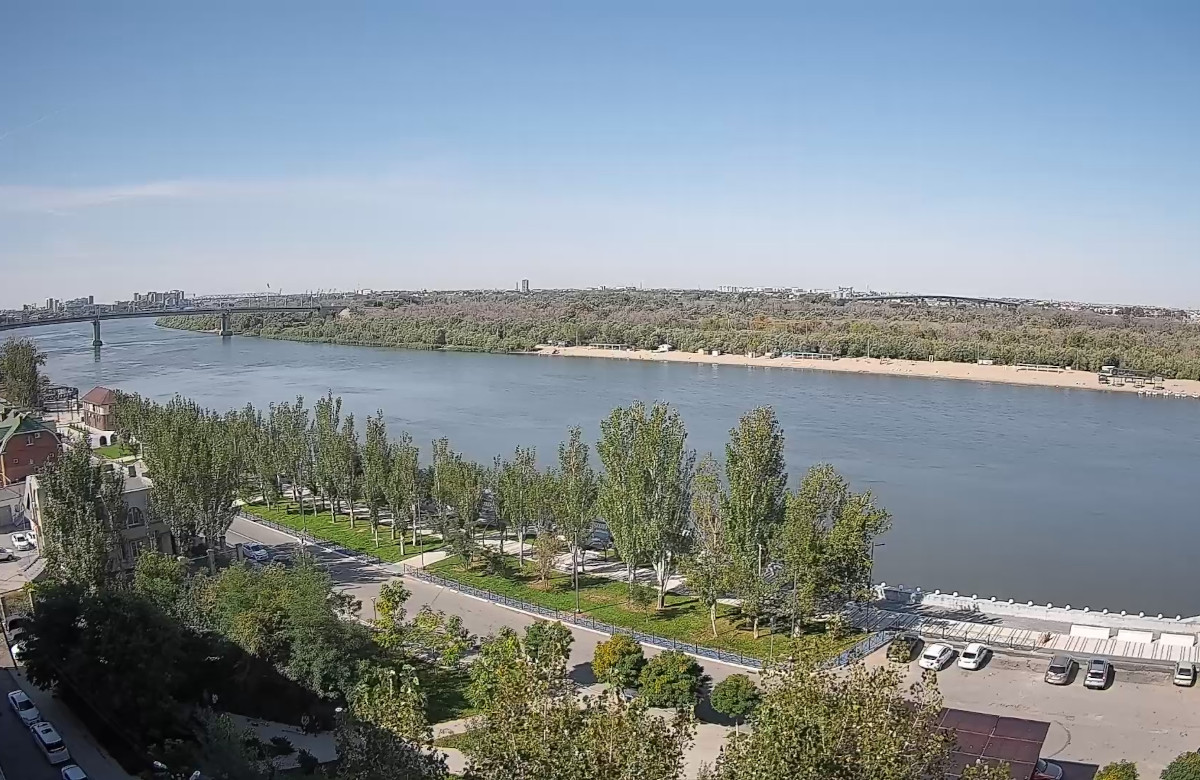
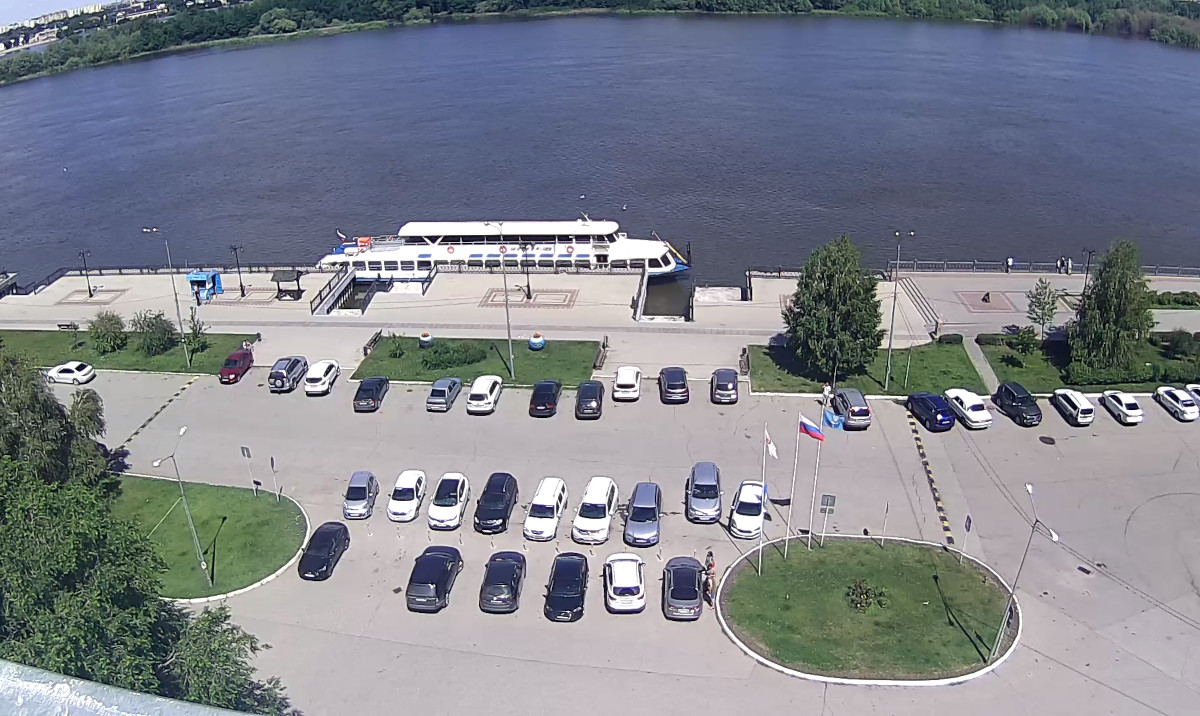
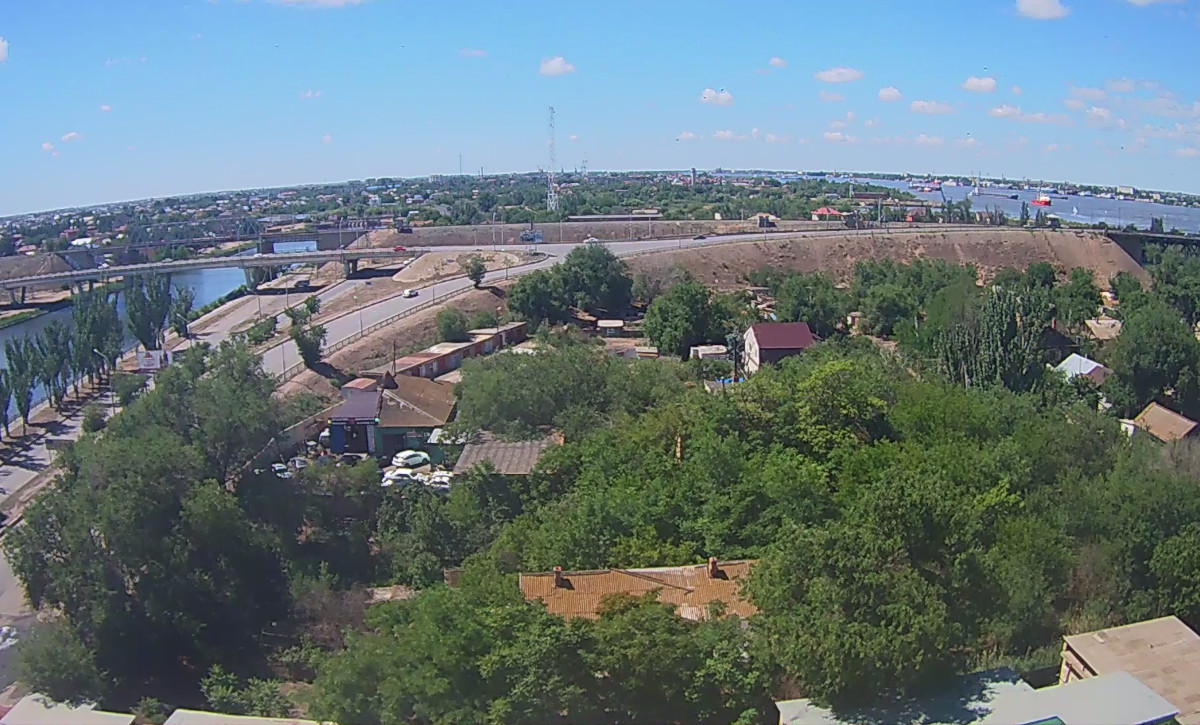
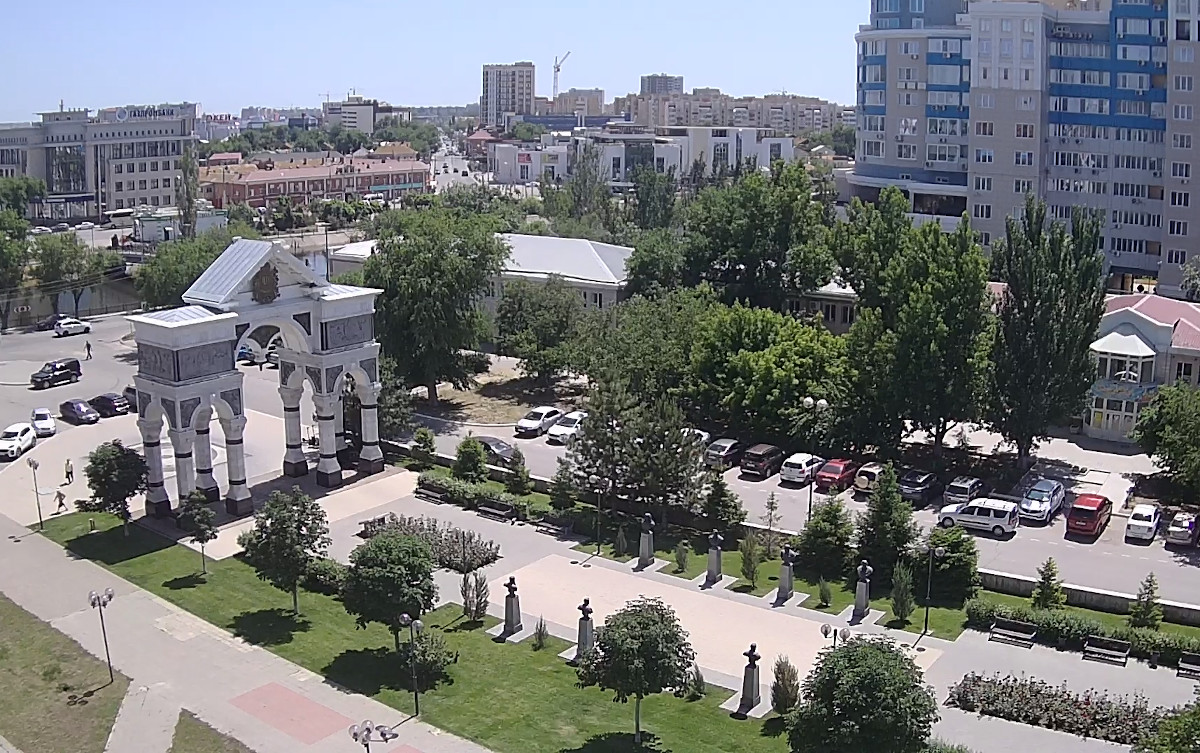
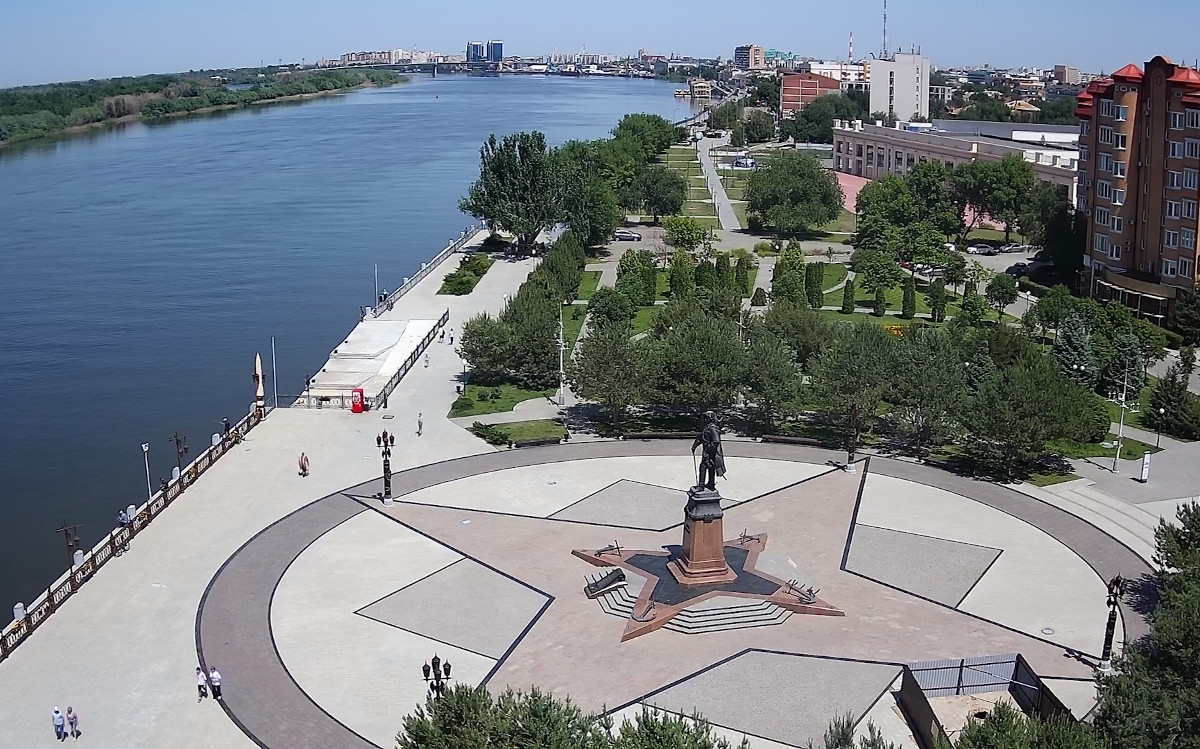
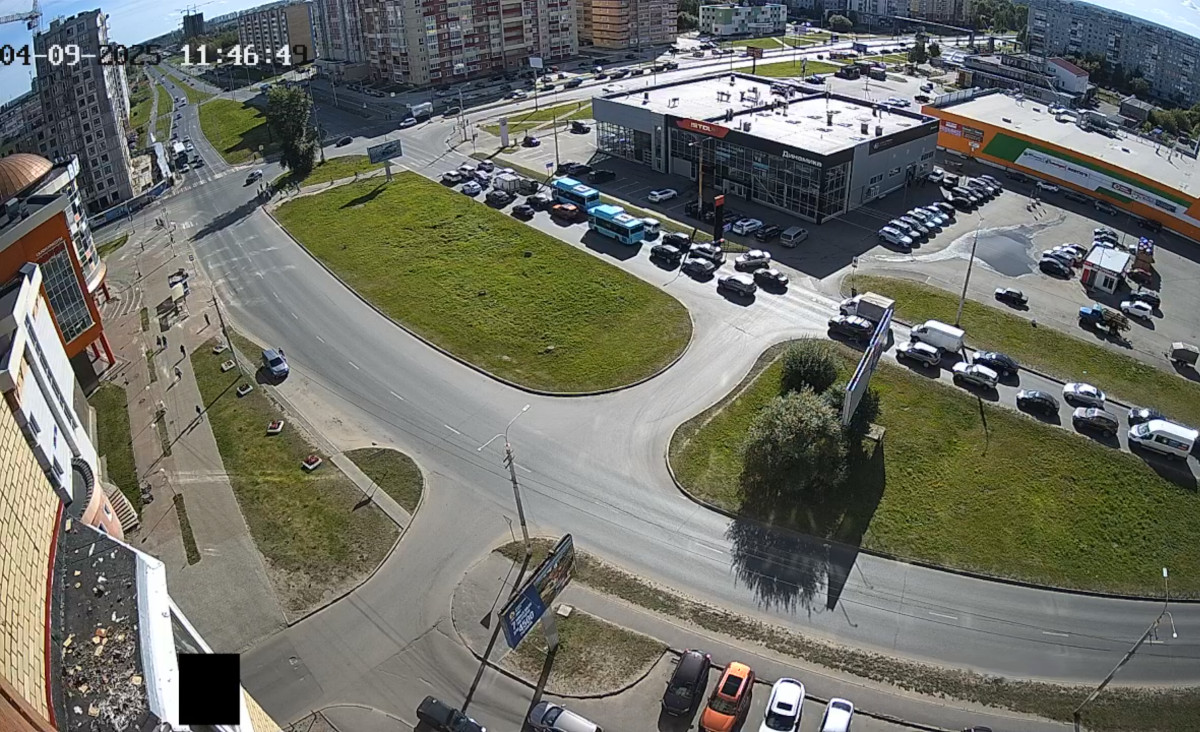
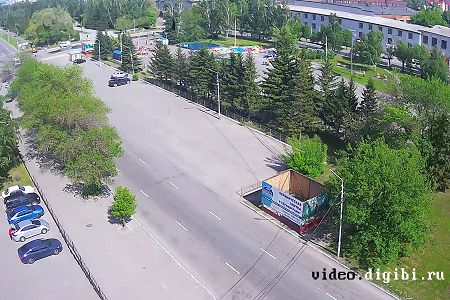
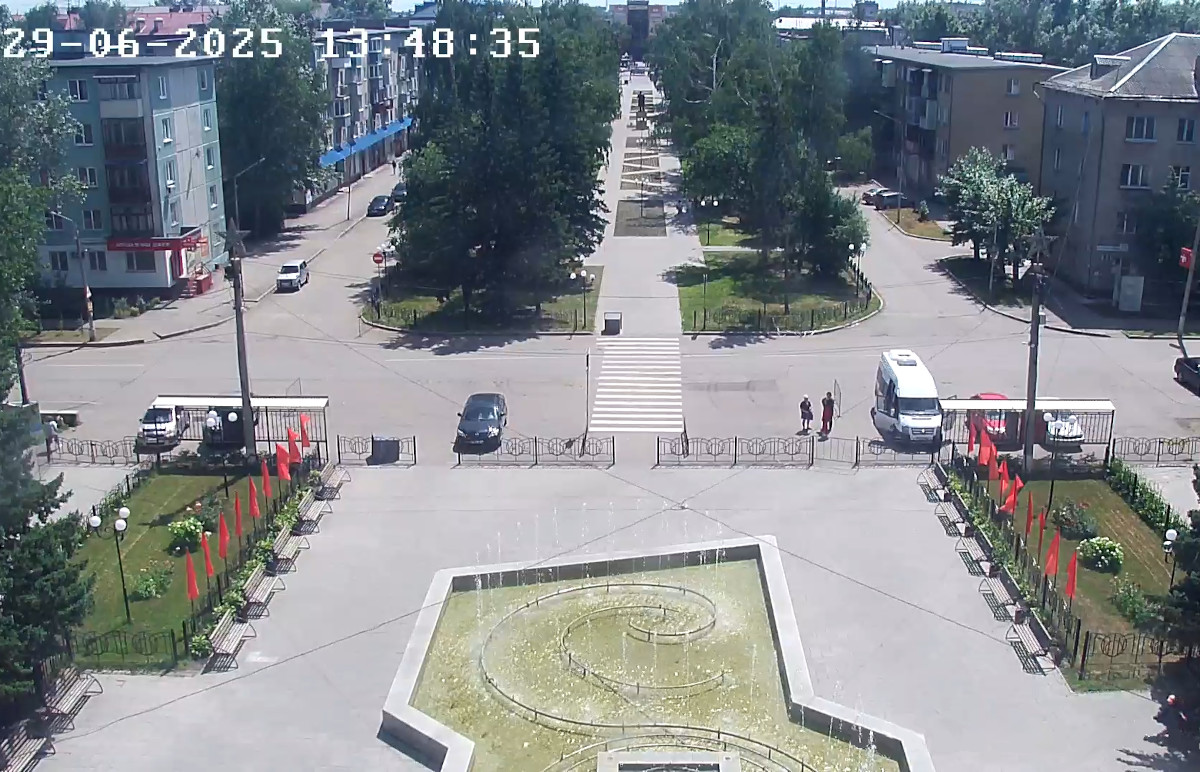
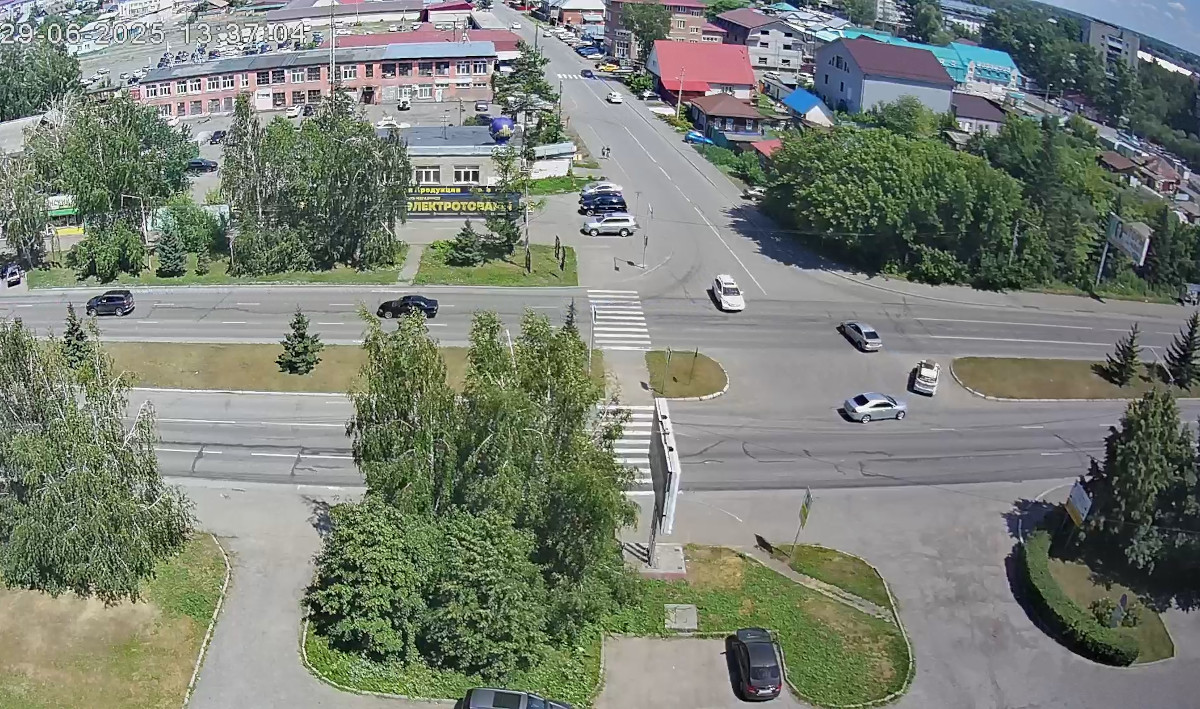
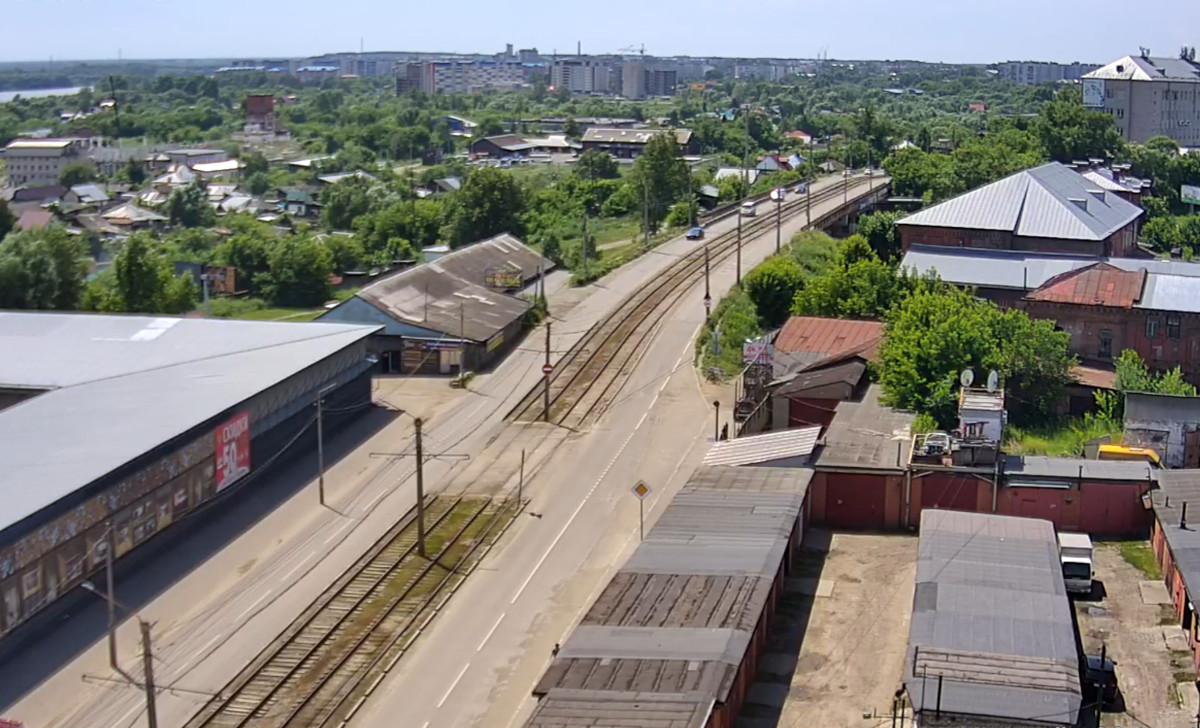
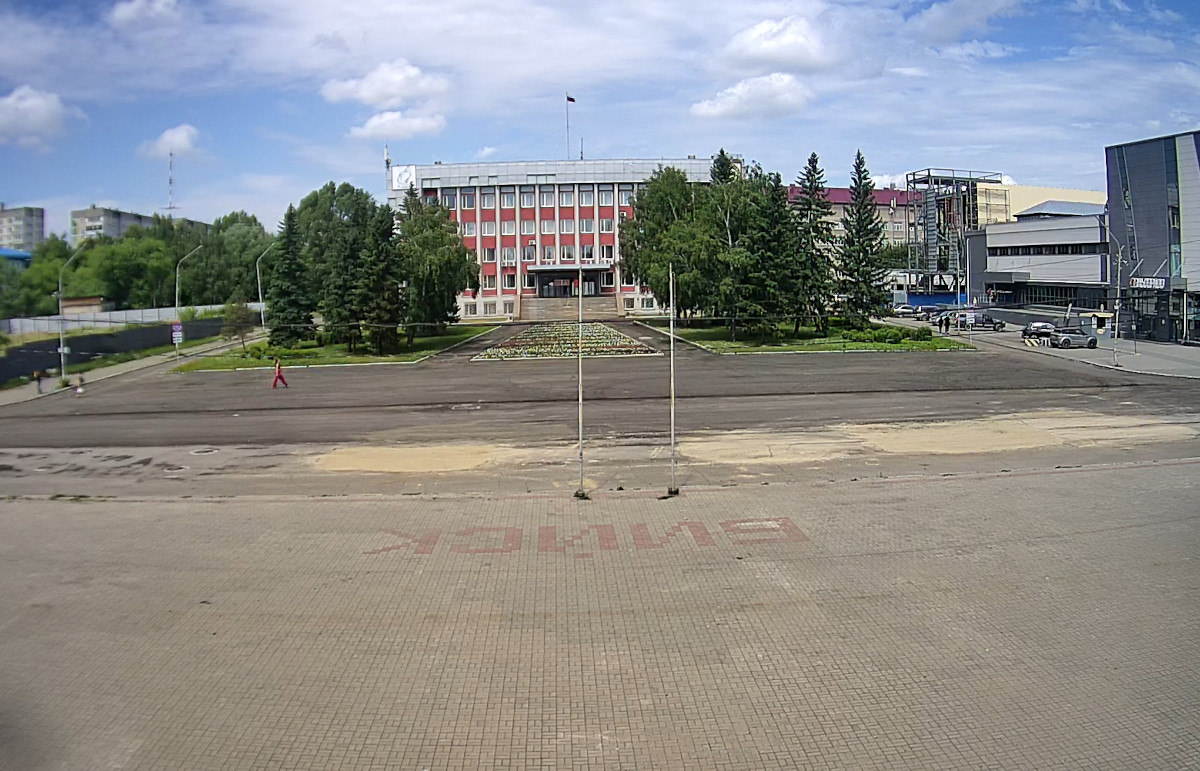
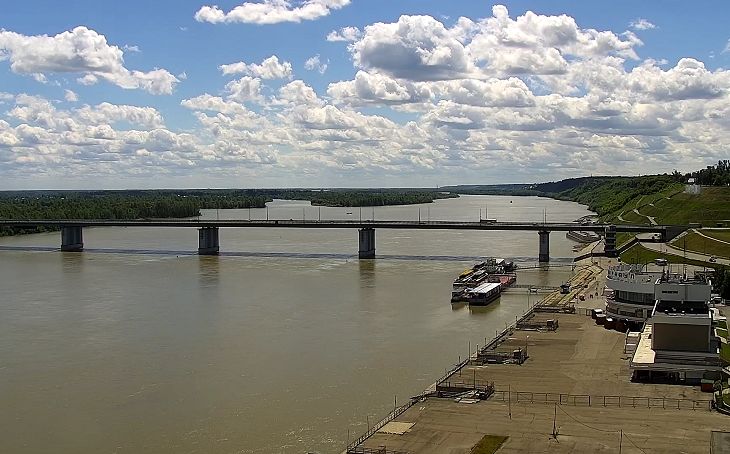
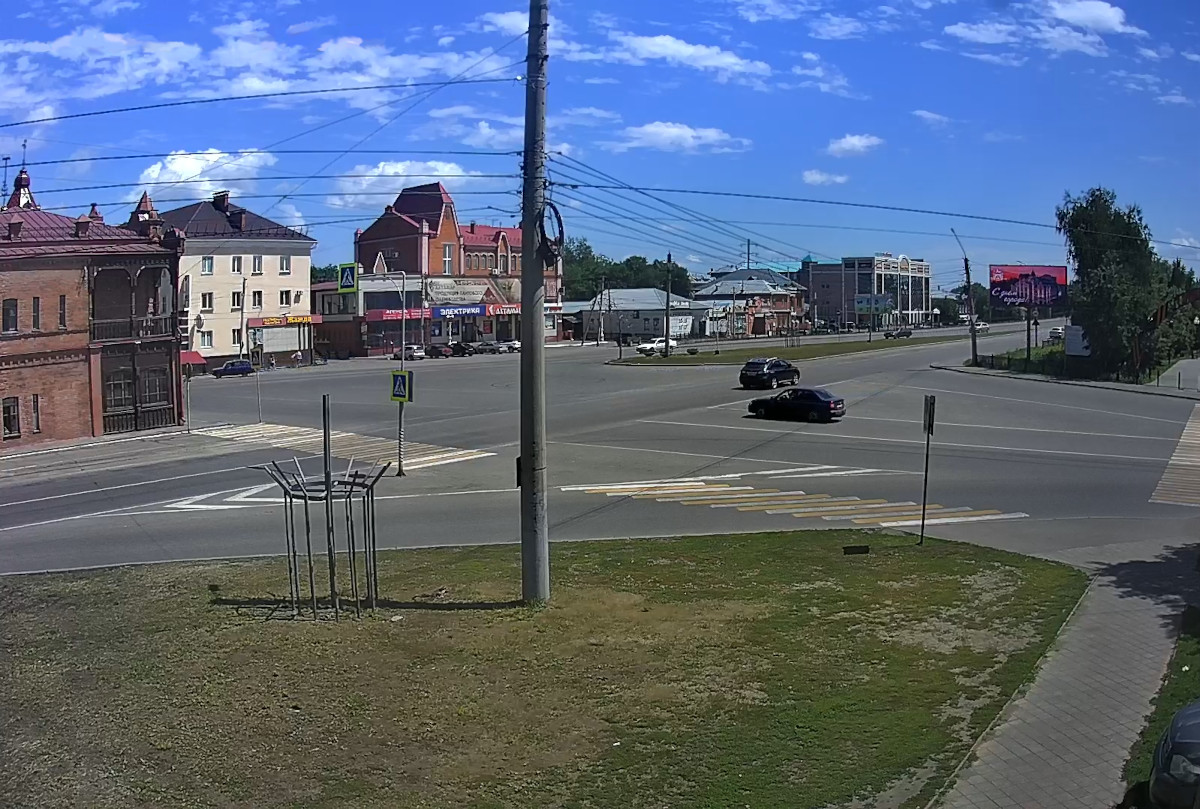
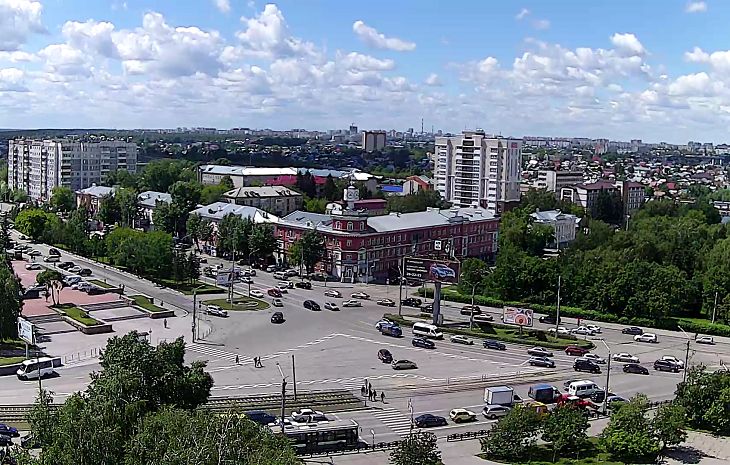
Barnaul is the largest city and the administrative center of Altai Krai, located in southwestern Siberia on the right bank of the Ob River, where the Barnaulka River flows into it. The city lies on the Ob Plateau, about 220 kilometers (137 miles) from the border with Kazakhstan. Barnaul has a population of approximately 631,600 people and covers an area of about 322 square kilometers (124 square miles). The city was founded in 1730 as a settlement for workers of Akinfiy Demidov’s copper-smelting plant, which later became known for silver production. In 1771, Barnaul was officially granted city status. Today, it is a major industrial hub in southern Siberia with a diversified economy, including strong sectors in mechanical engineering, metalworking, food processing, and light industry.
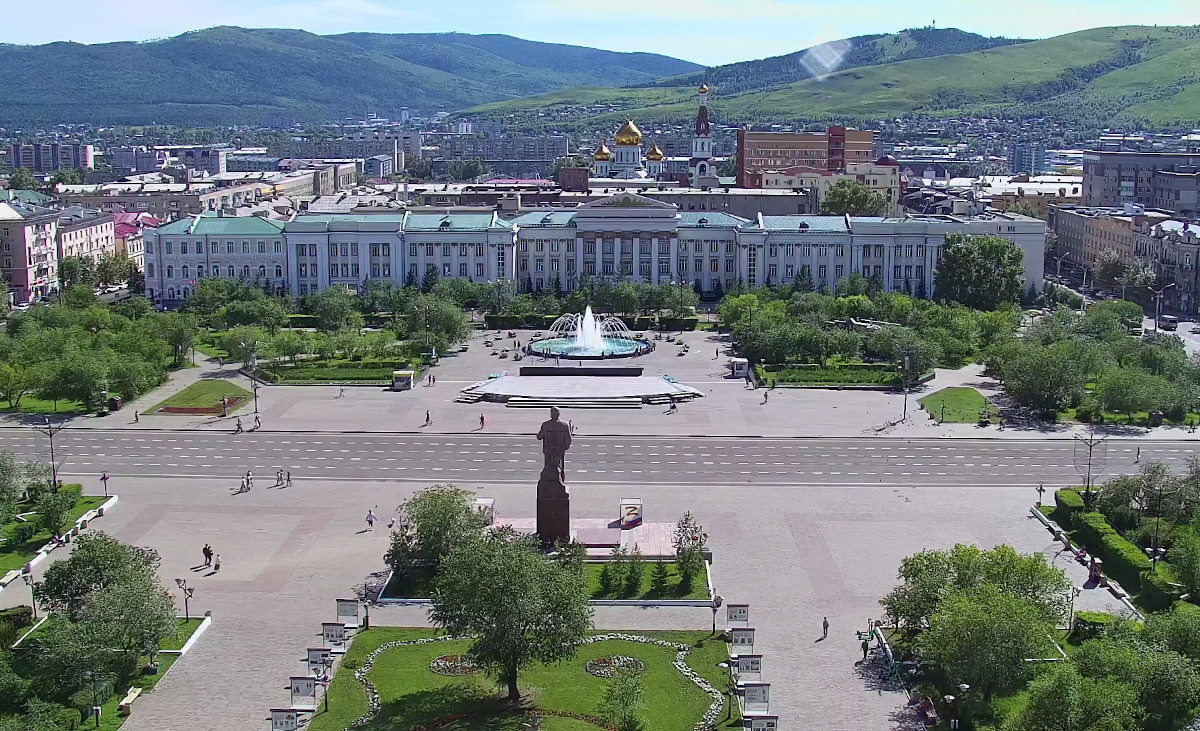
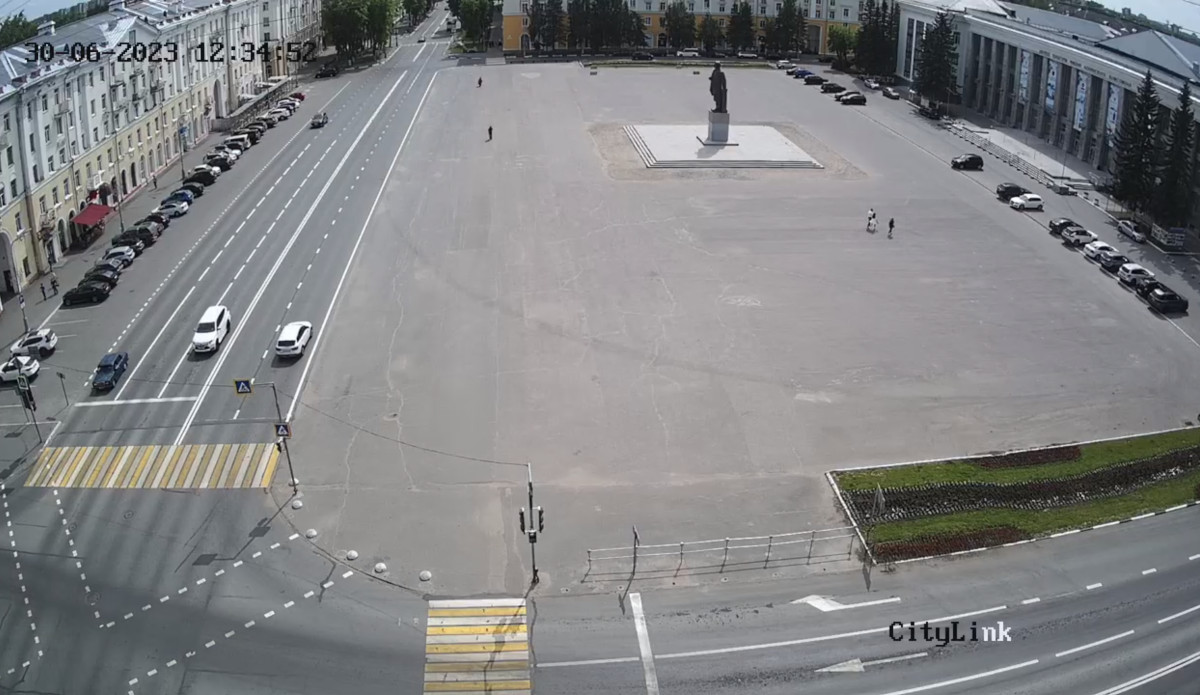
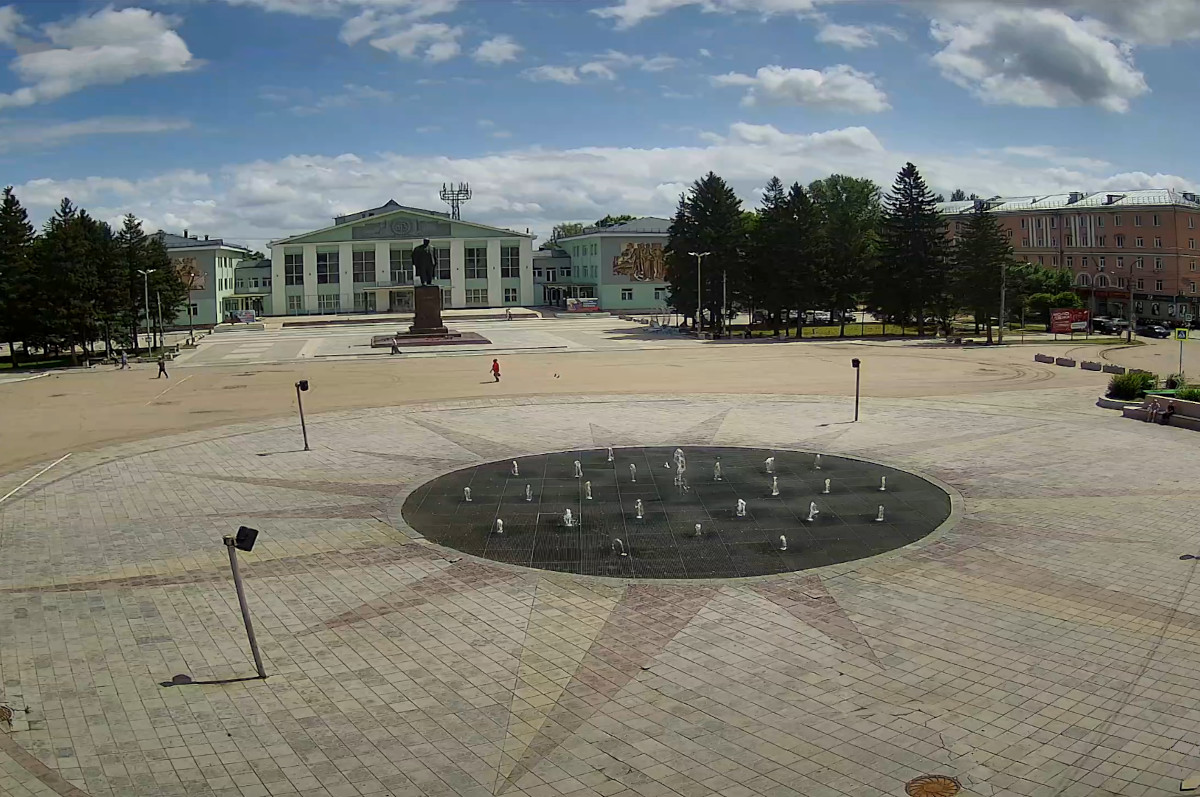
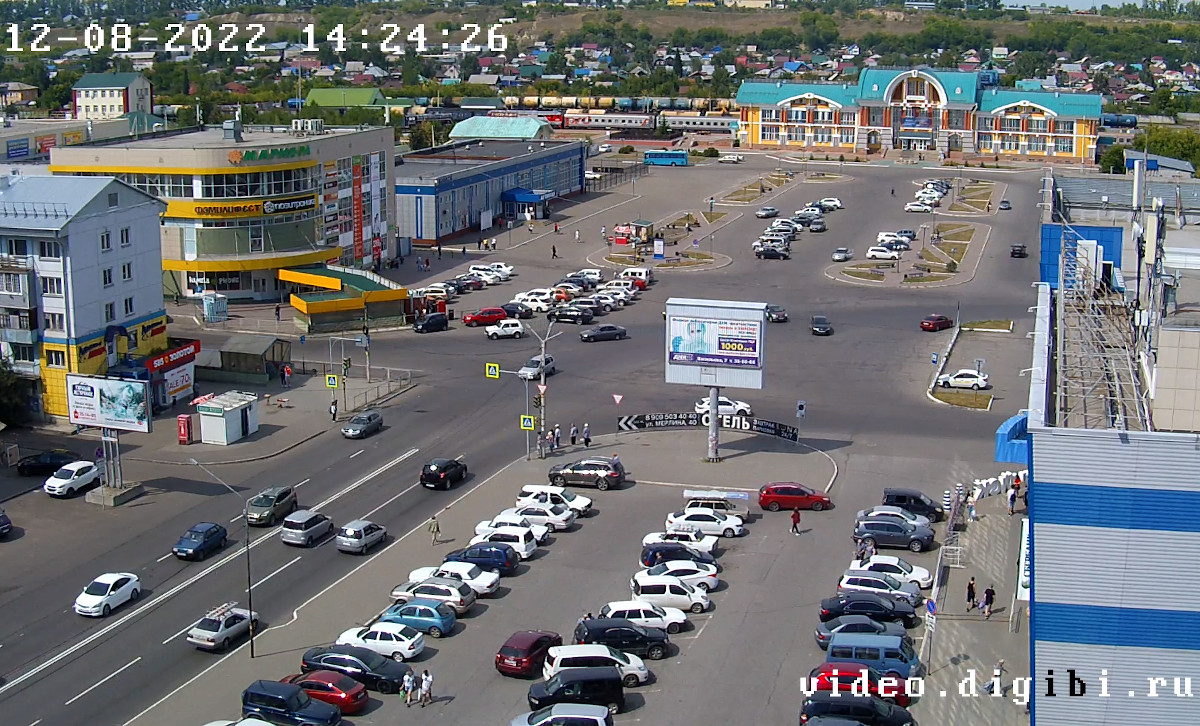
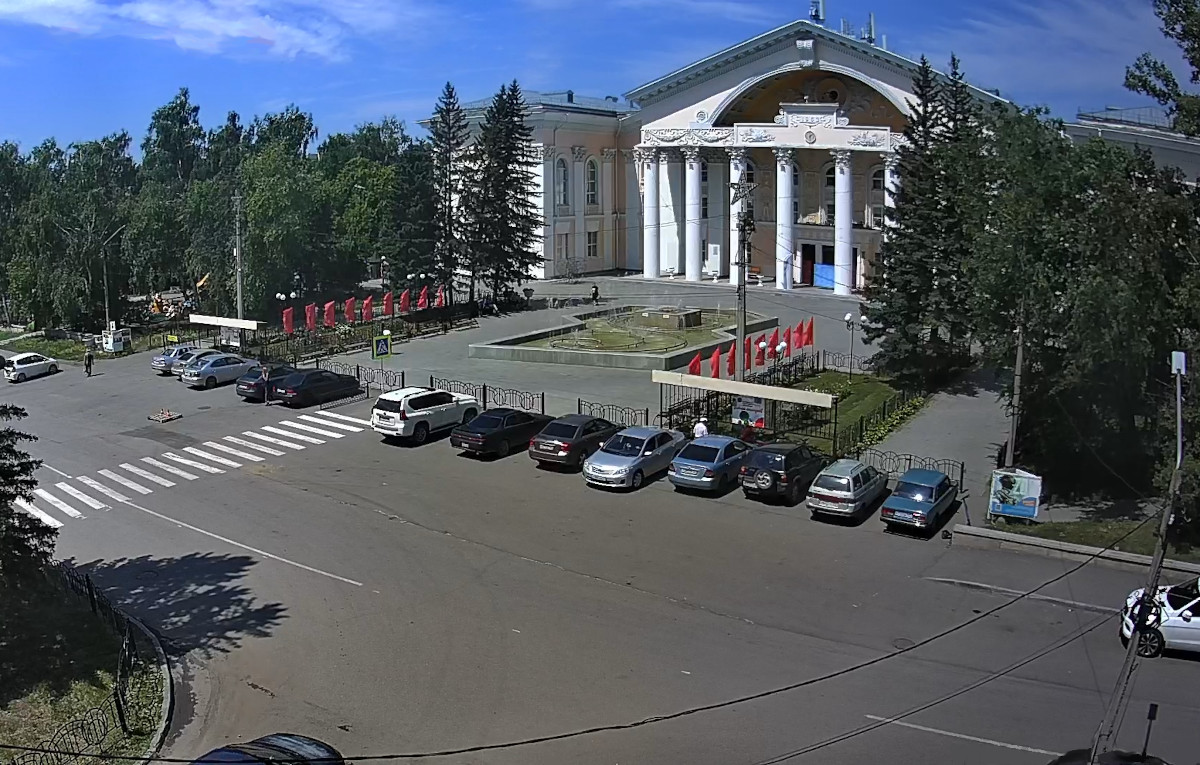
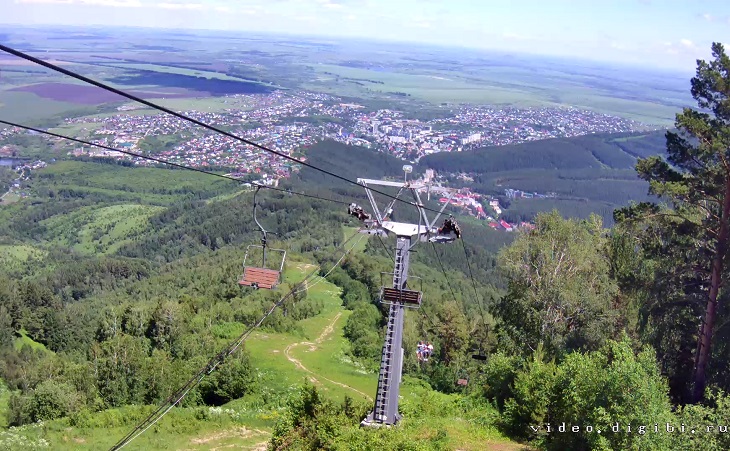
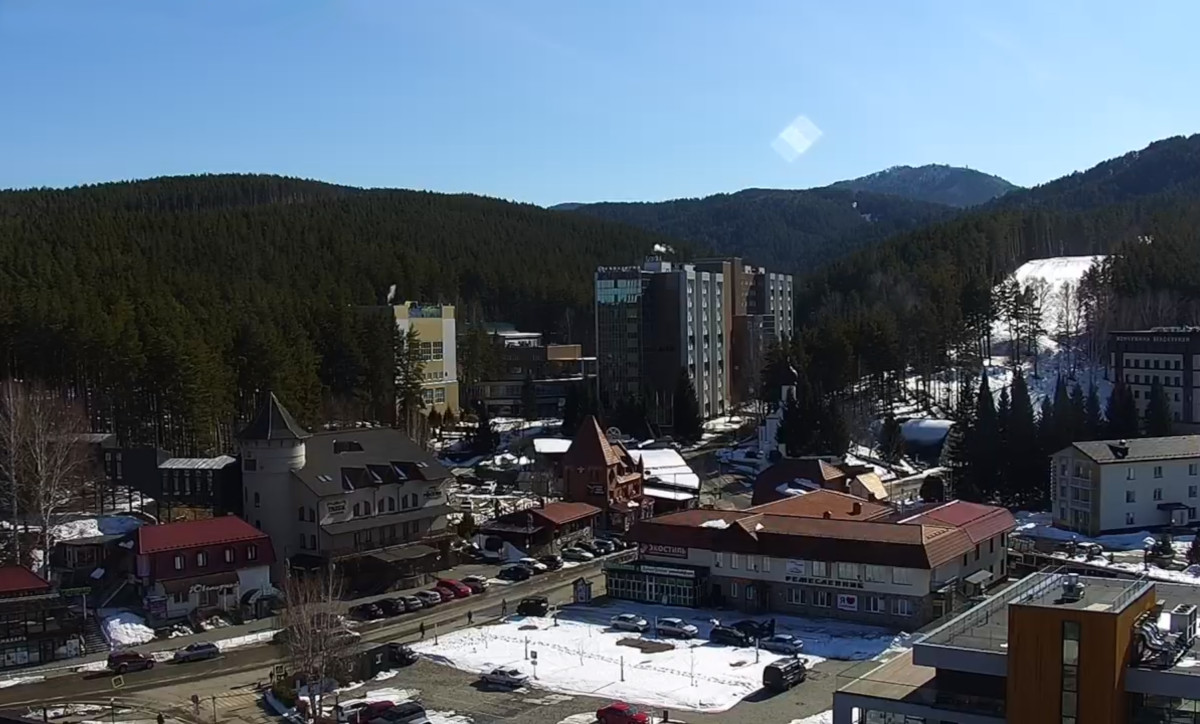
Barnaul is also the largest tourist and transportation center of Altai Krai. Its historic downtown has preserved many architectural landmarks from the pre-revolutionary era and the early mining industry period. Among the city’s main attractions are Nagorny Park, St. Nicholas Church, Demidov Square, the Altai Krai State Philharmonic Hall, Barnaul Zoo, and the Altai Youth Theater. Barnaul is often called the “Gateway to Altai,” as it serves as a convenient starting point for trips to the Altai foothills and numerous recreational routes across the region. The city is home to Barnaul railway station, part of the West Siberian Railway, as well as the G. S. Titov International Airport, located 17 kilometers (about 11 miles) west of the city center.