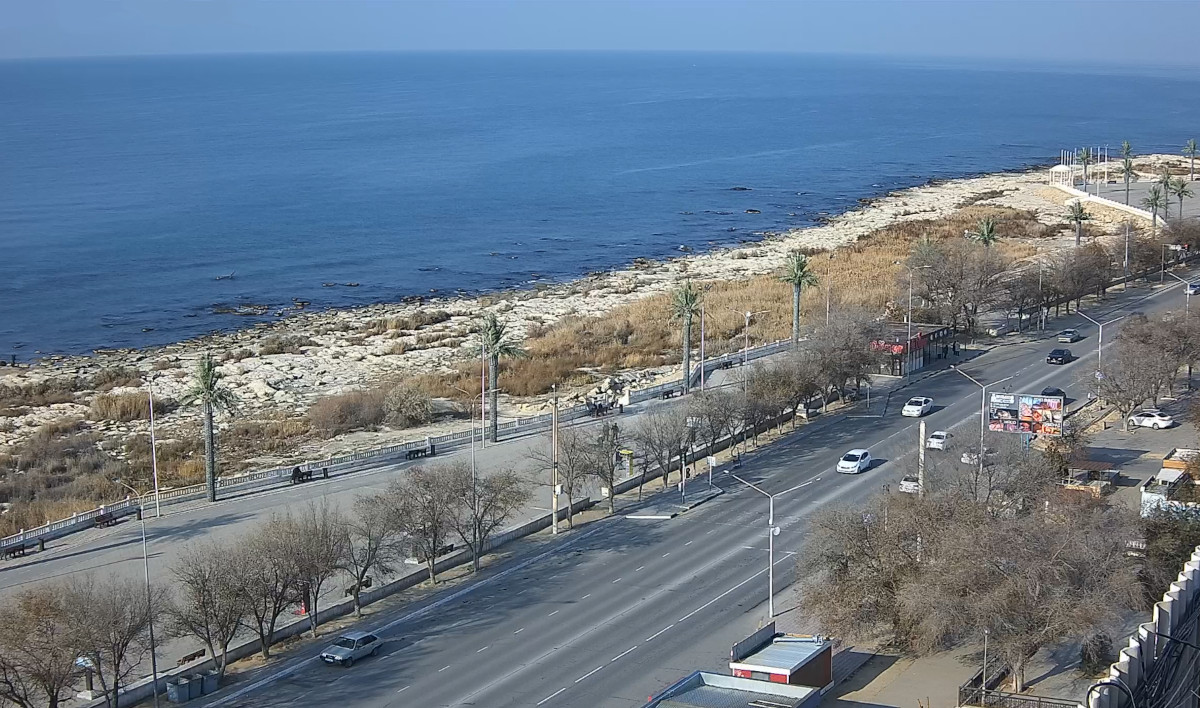
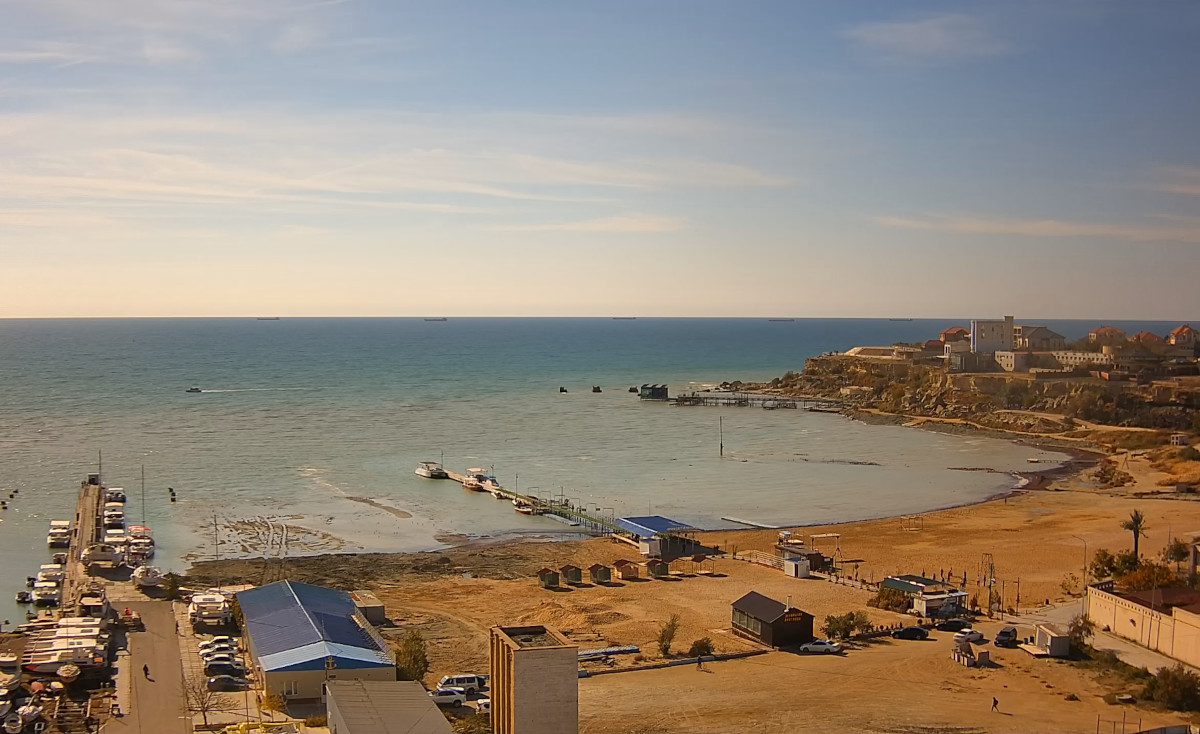
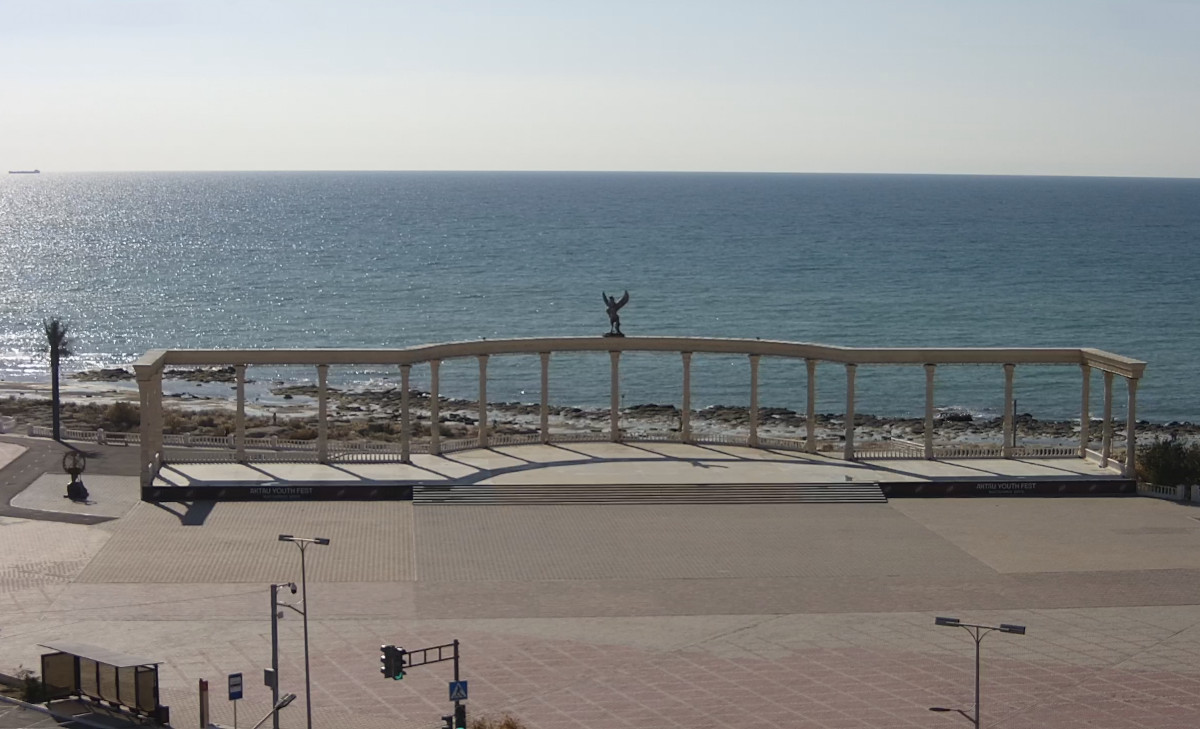
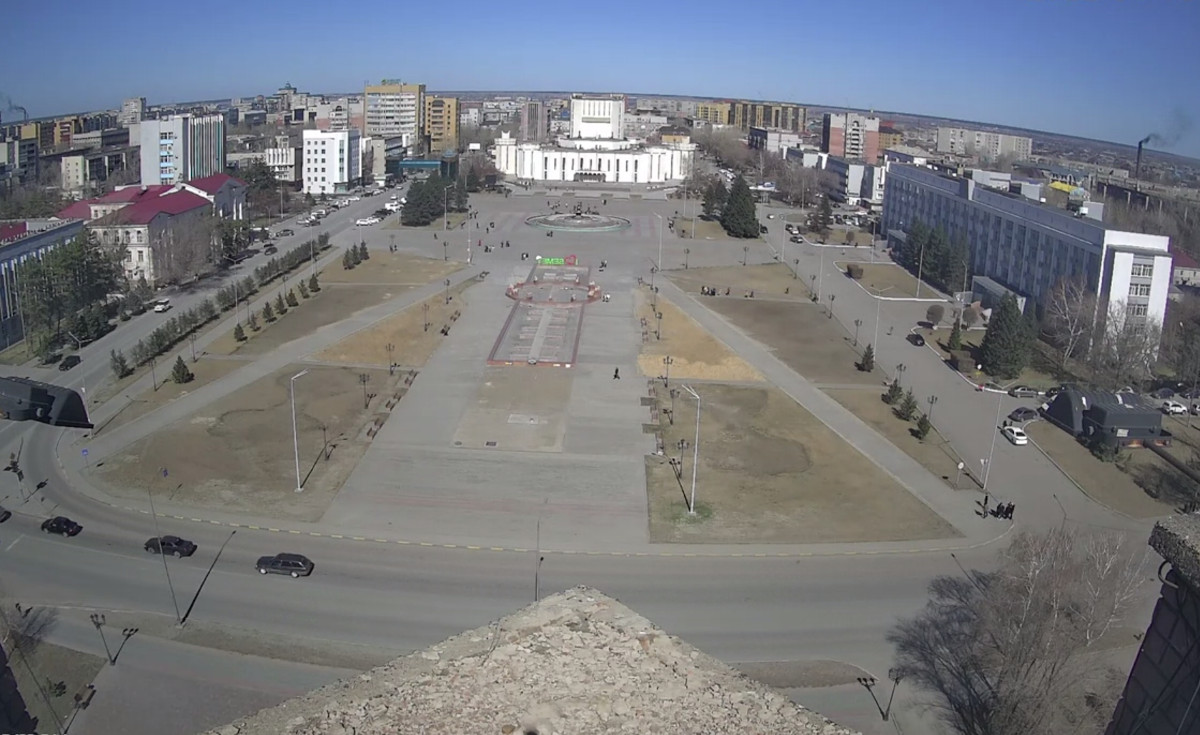
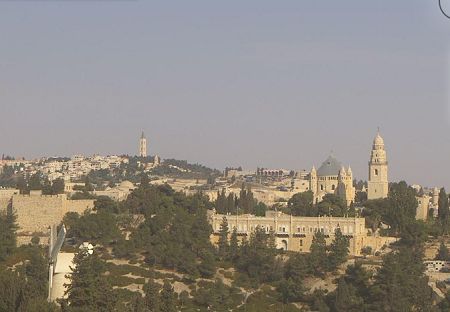
Jalal-Abad Skyline Live Webcam, Kyrgyzstan
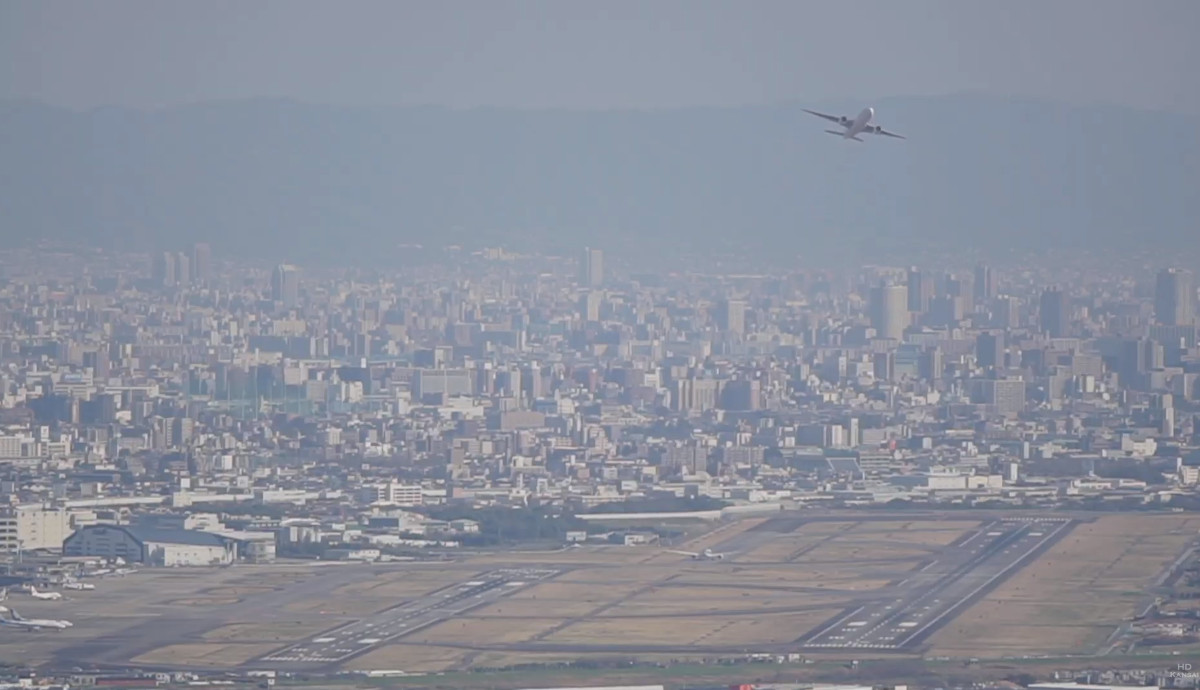
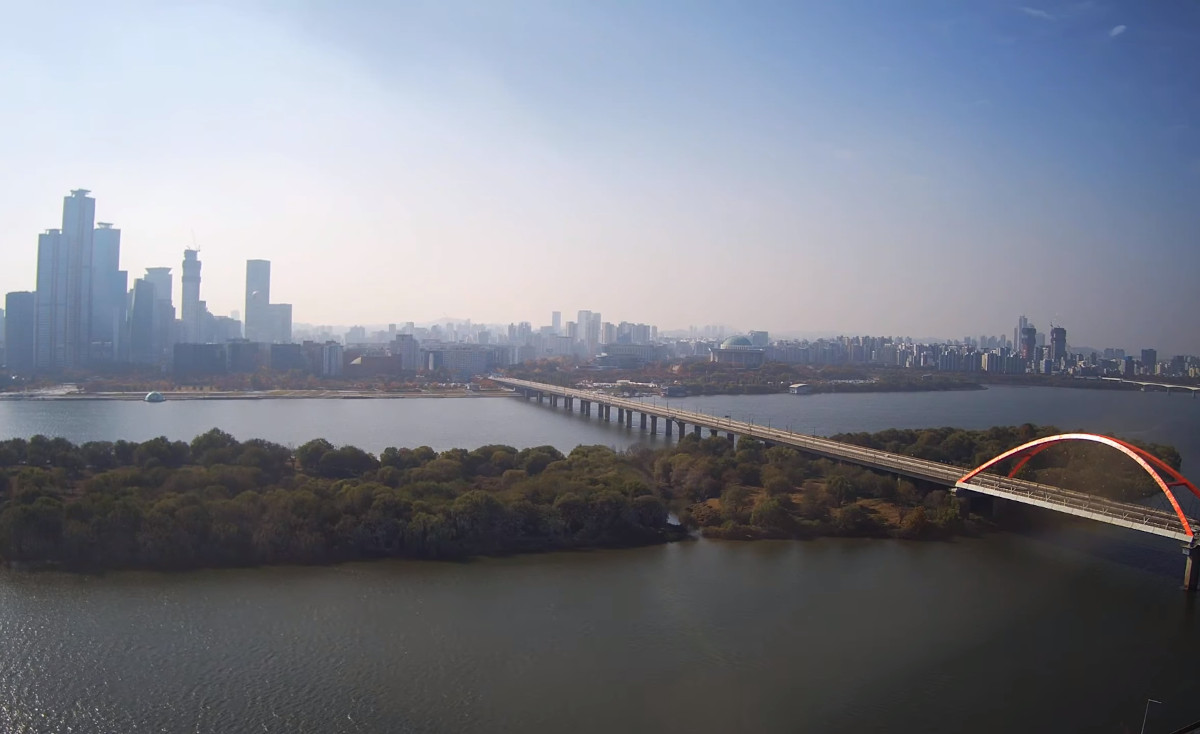
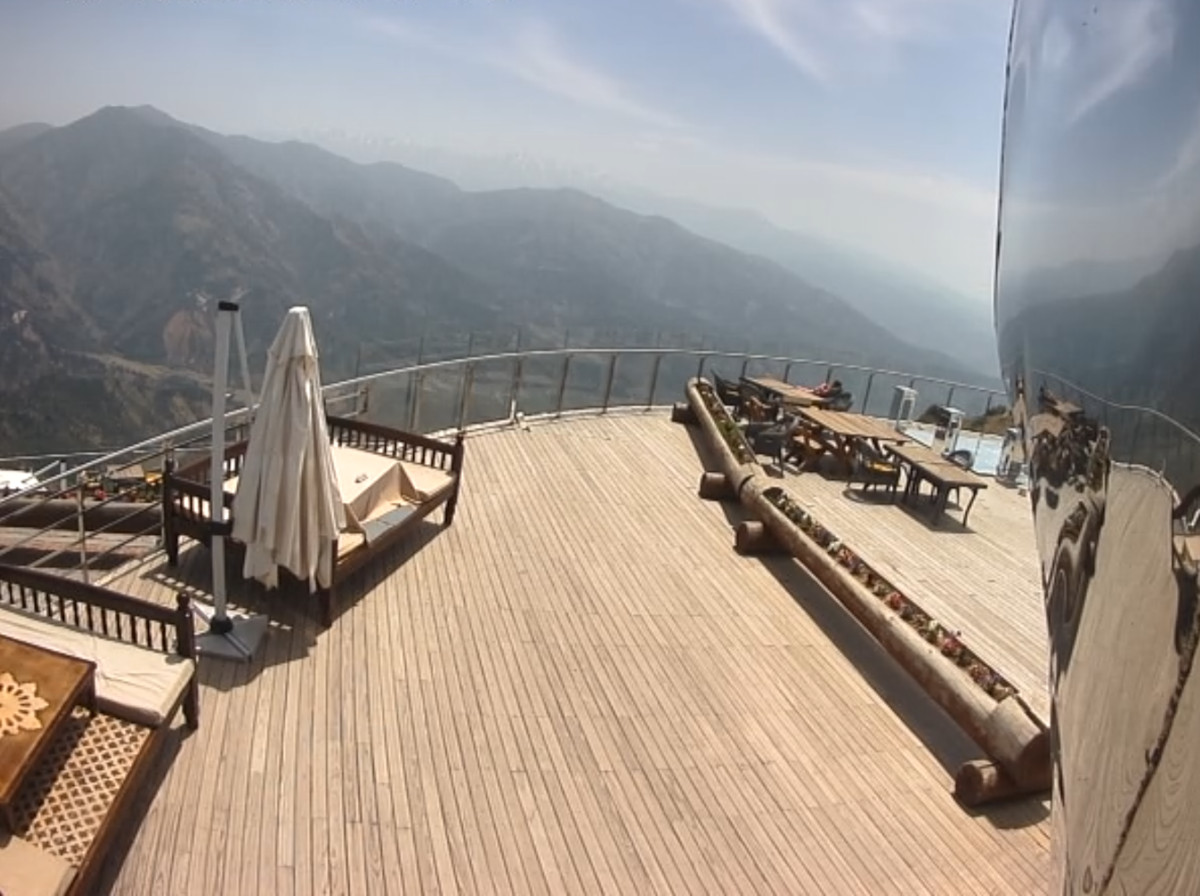
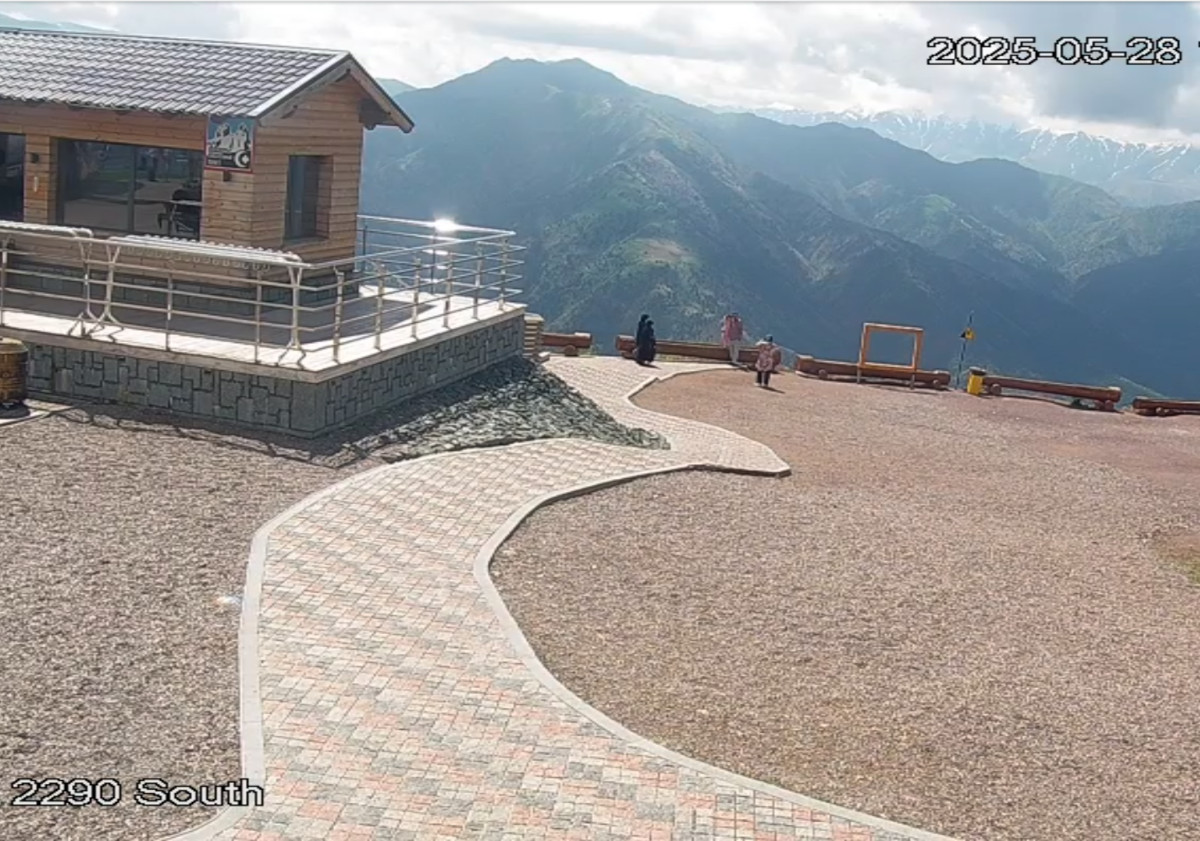
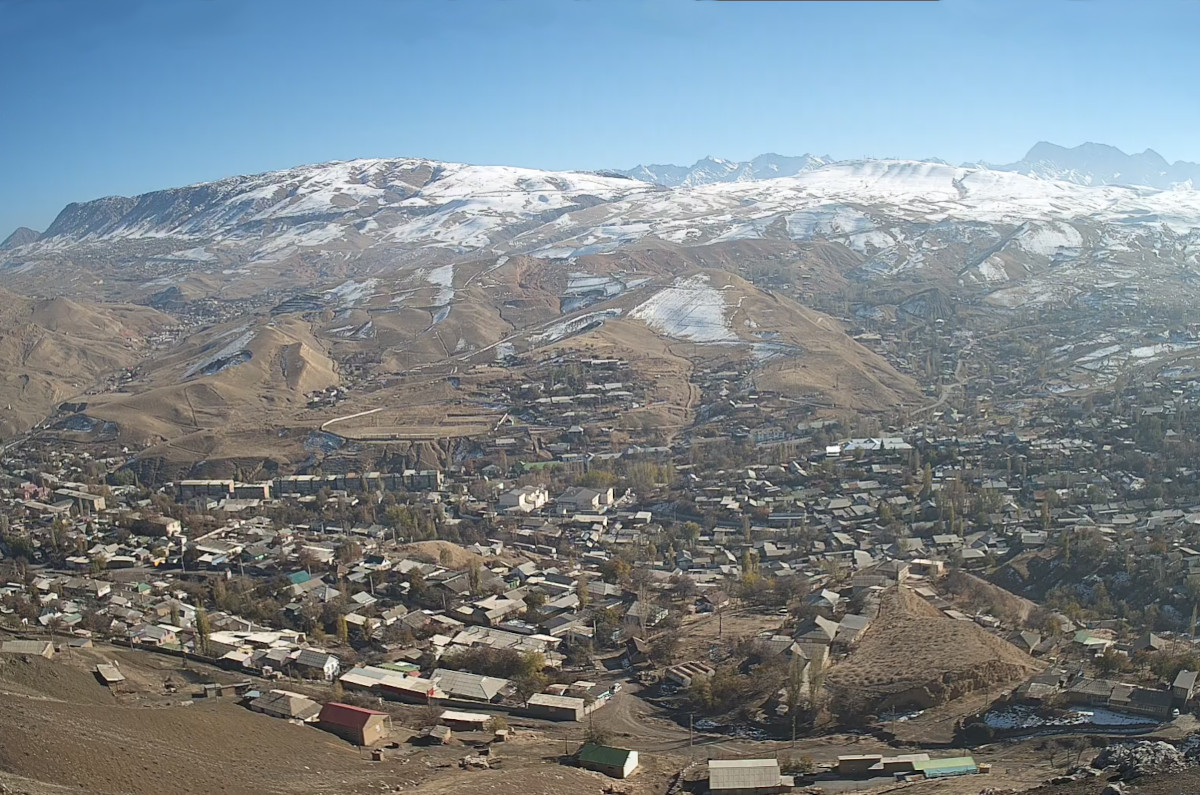
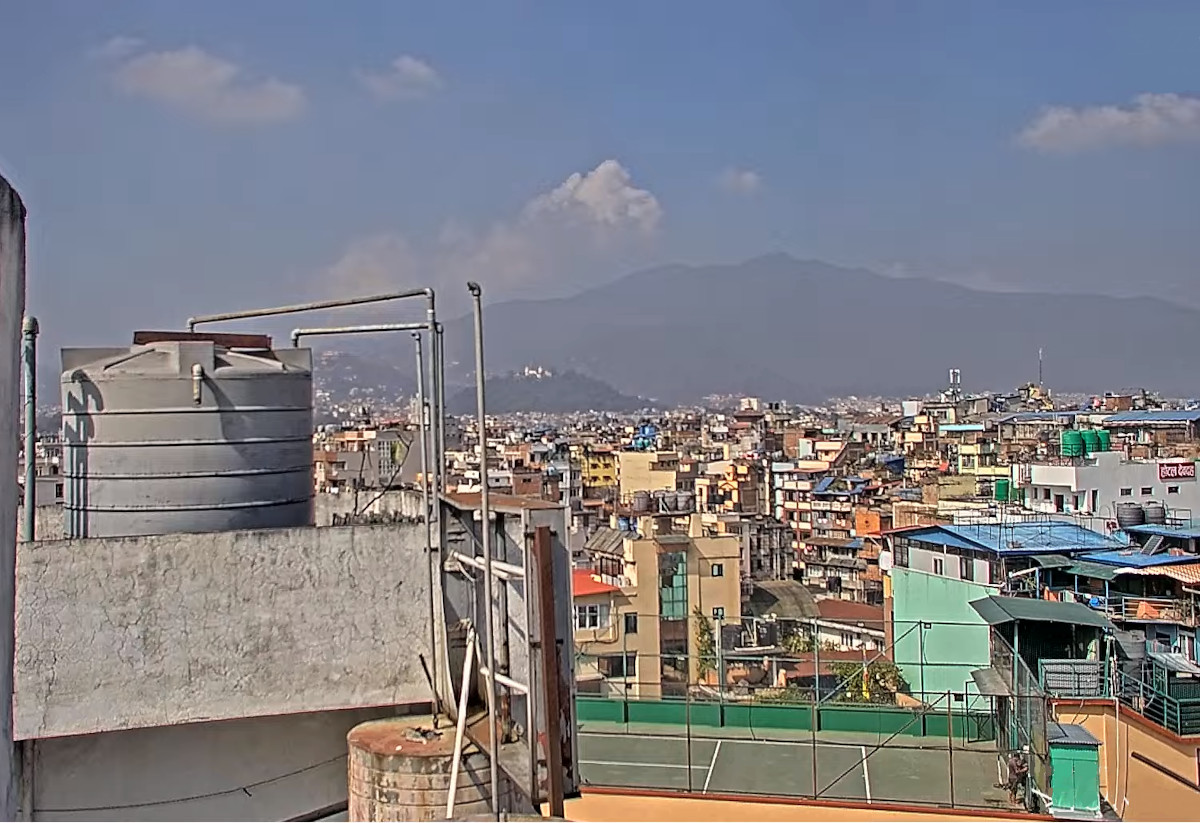
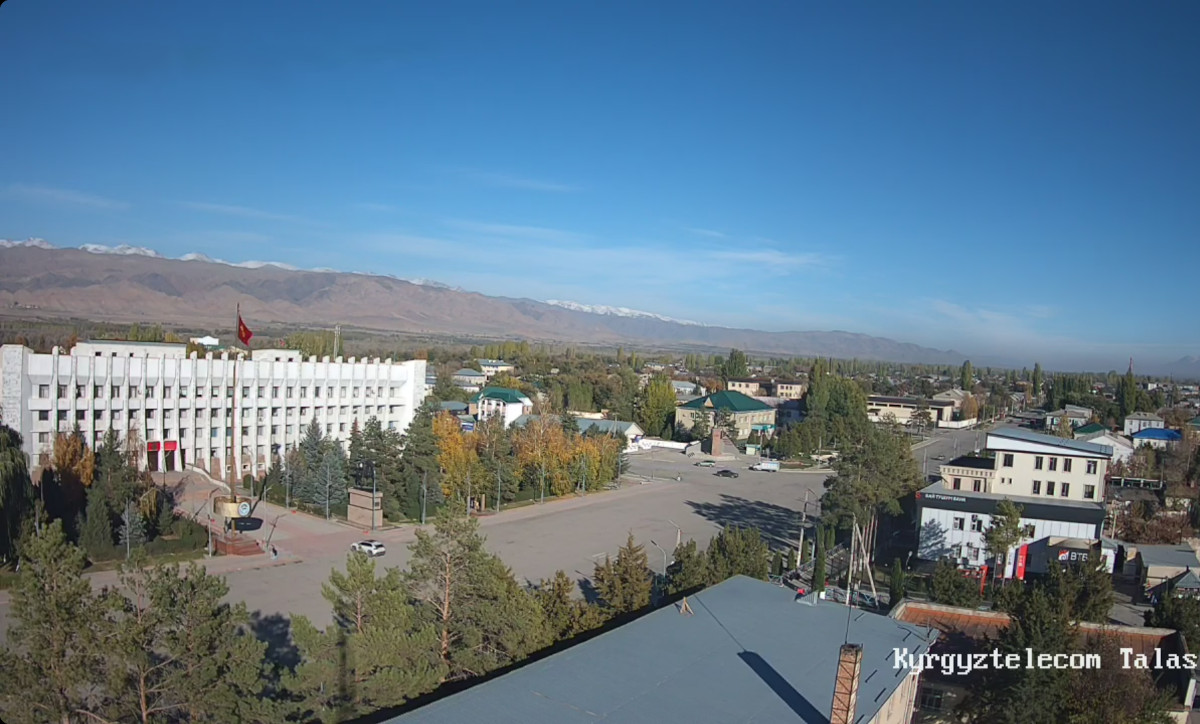
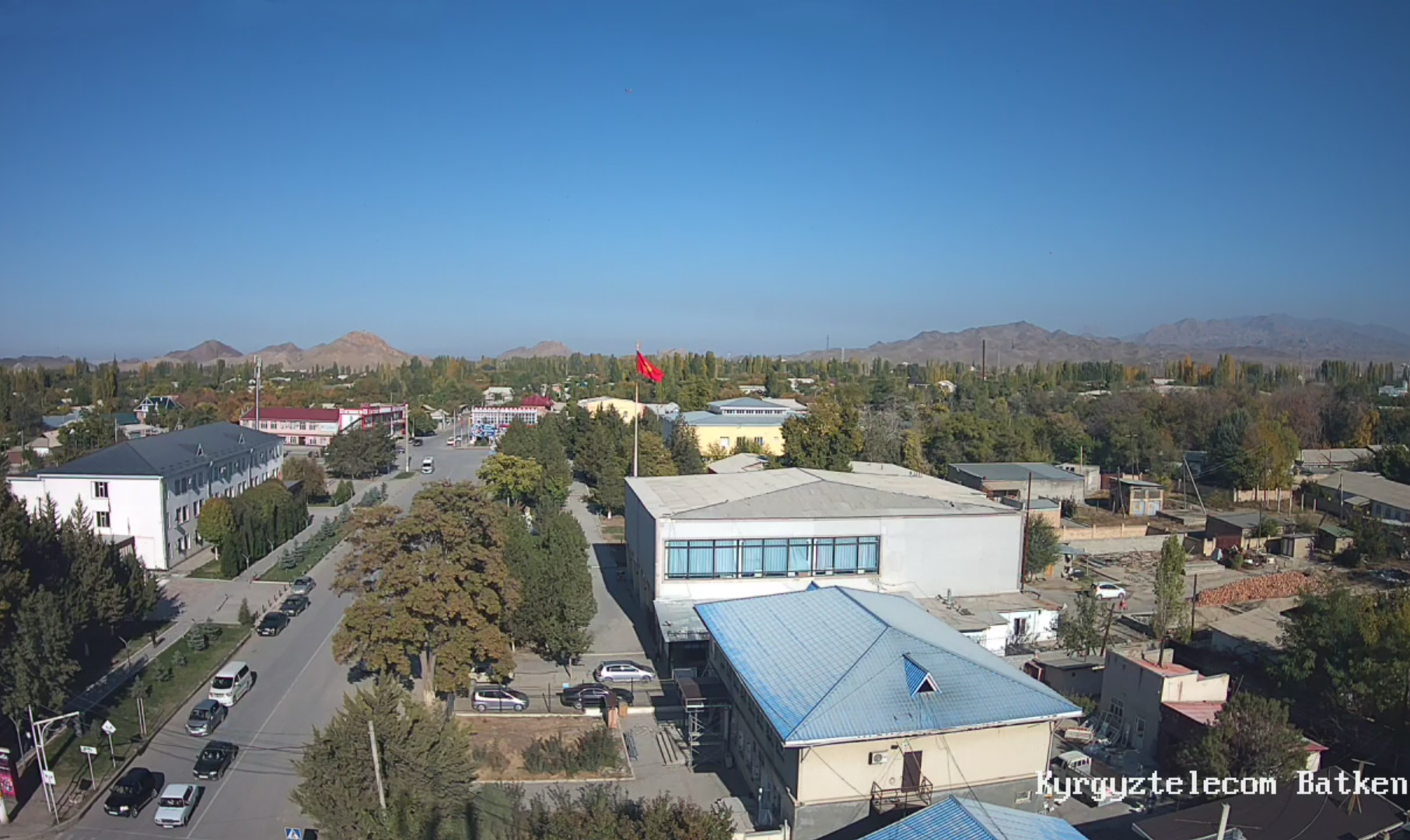
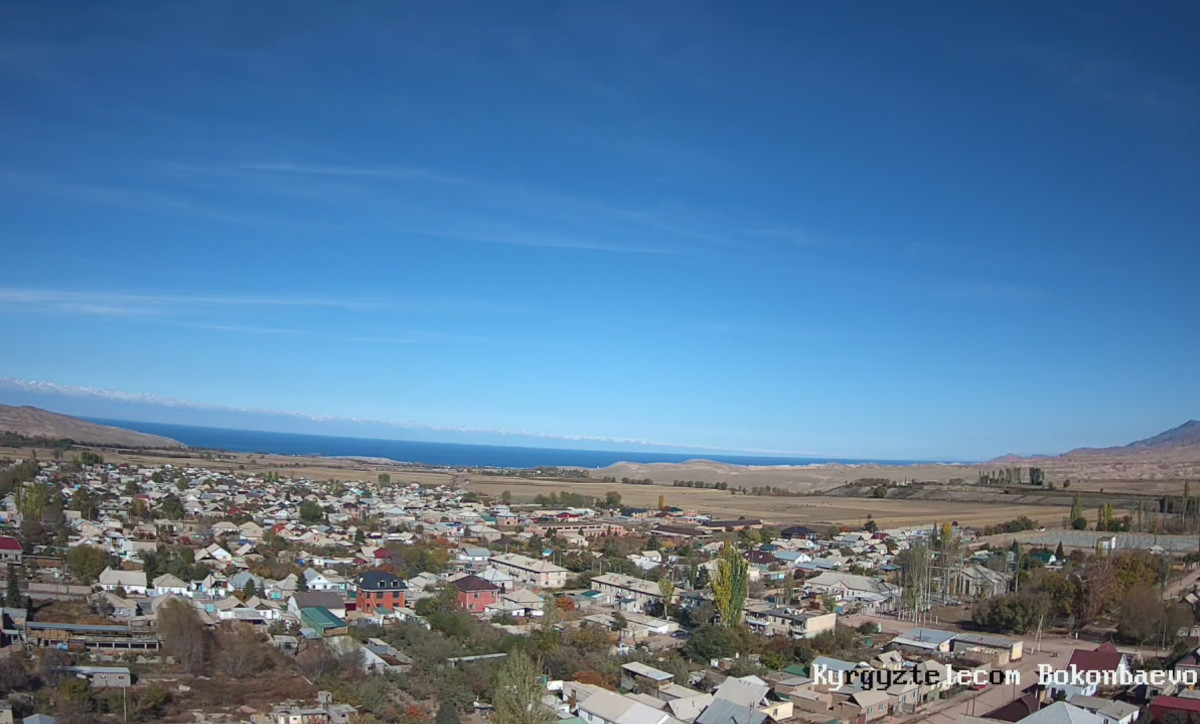
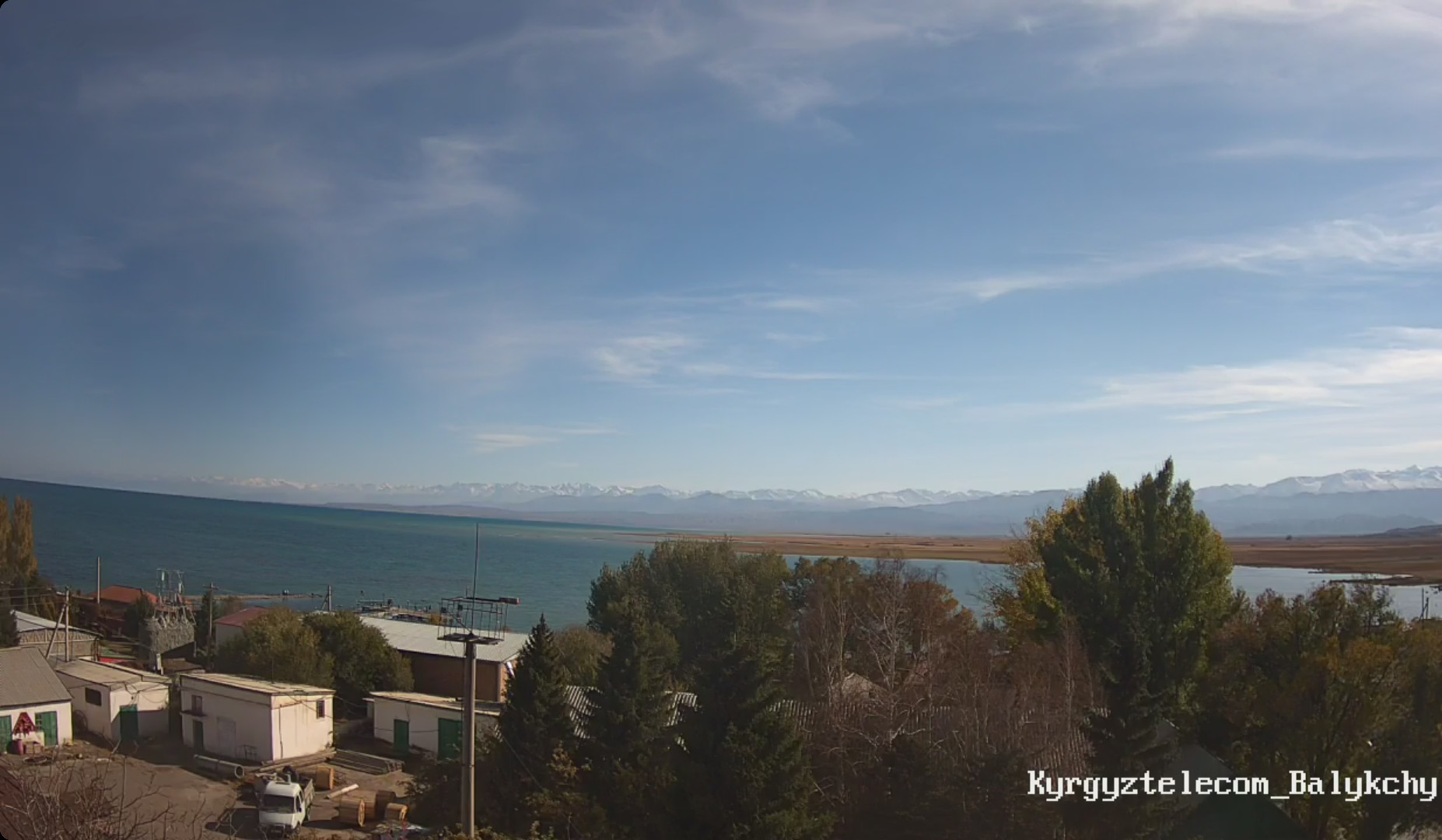
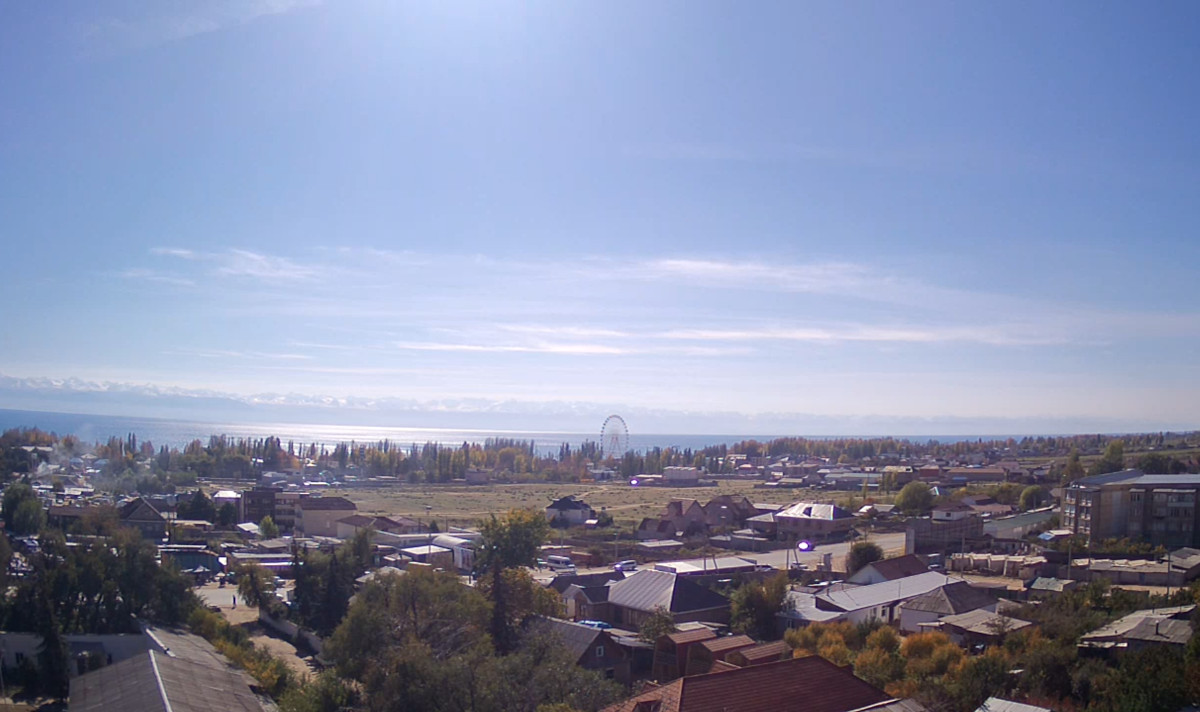
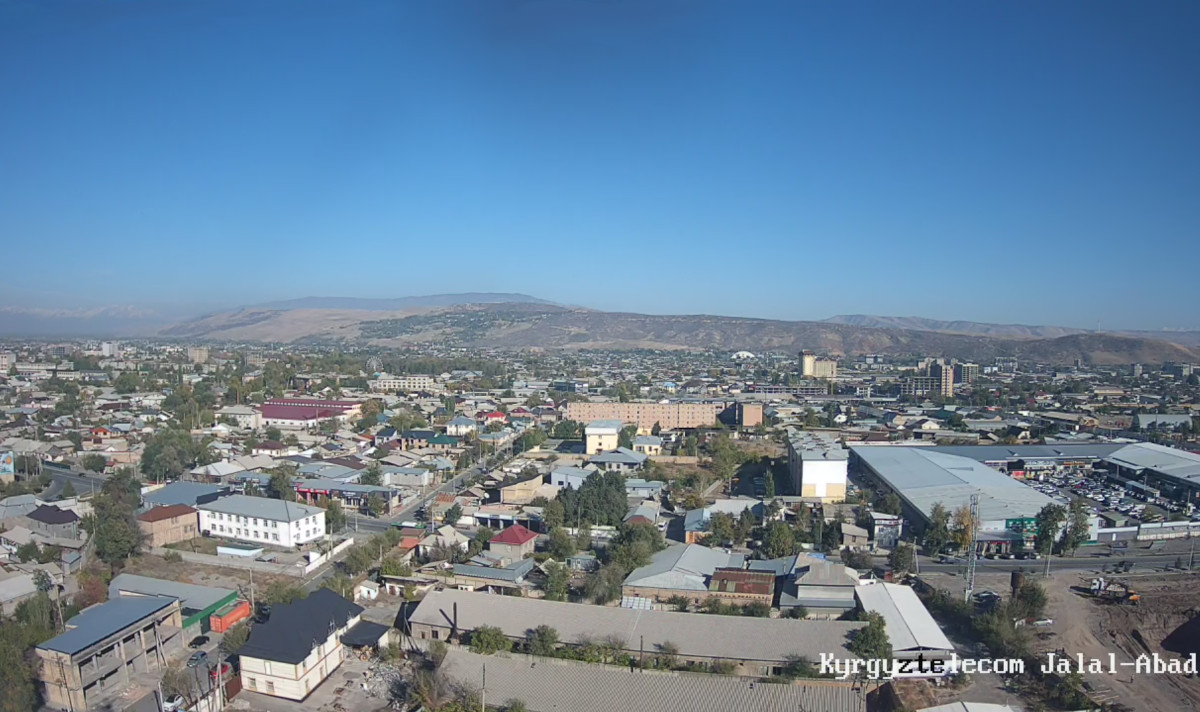
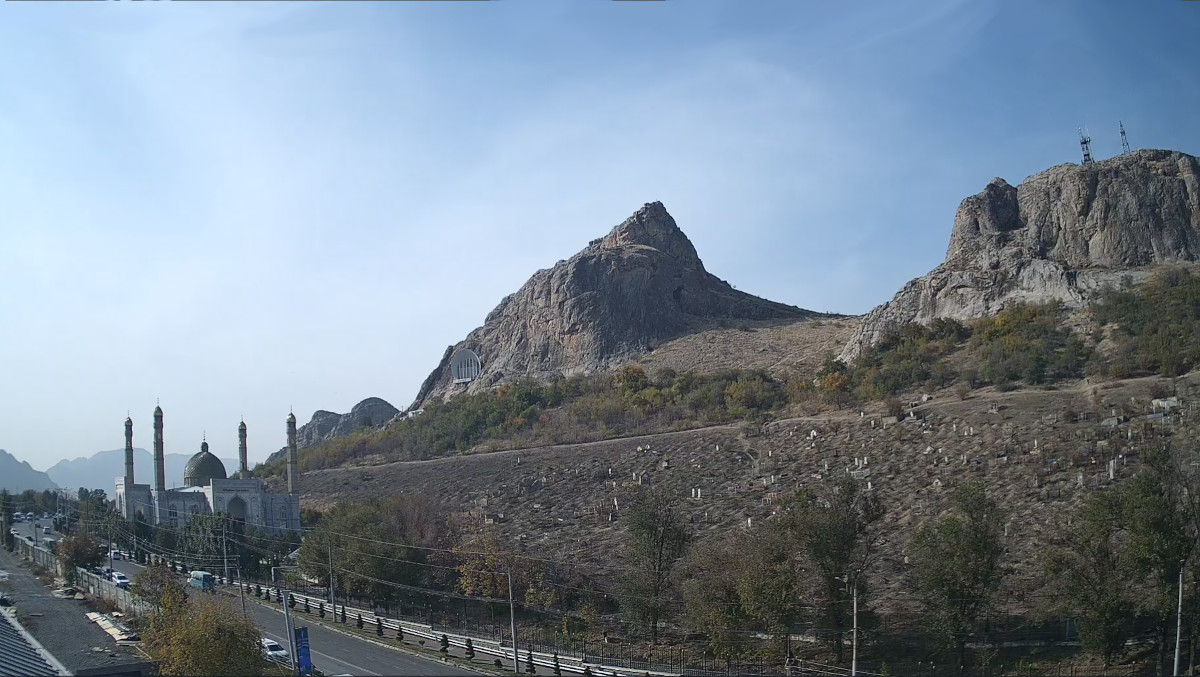
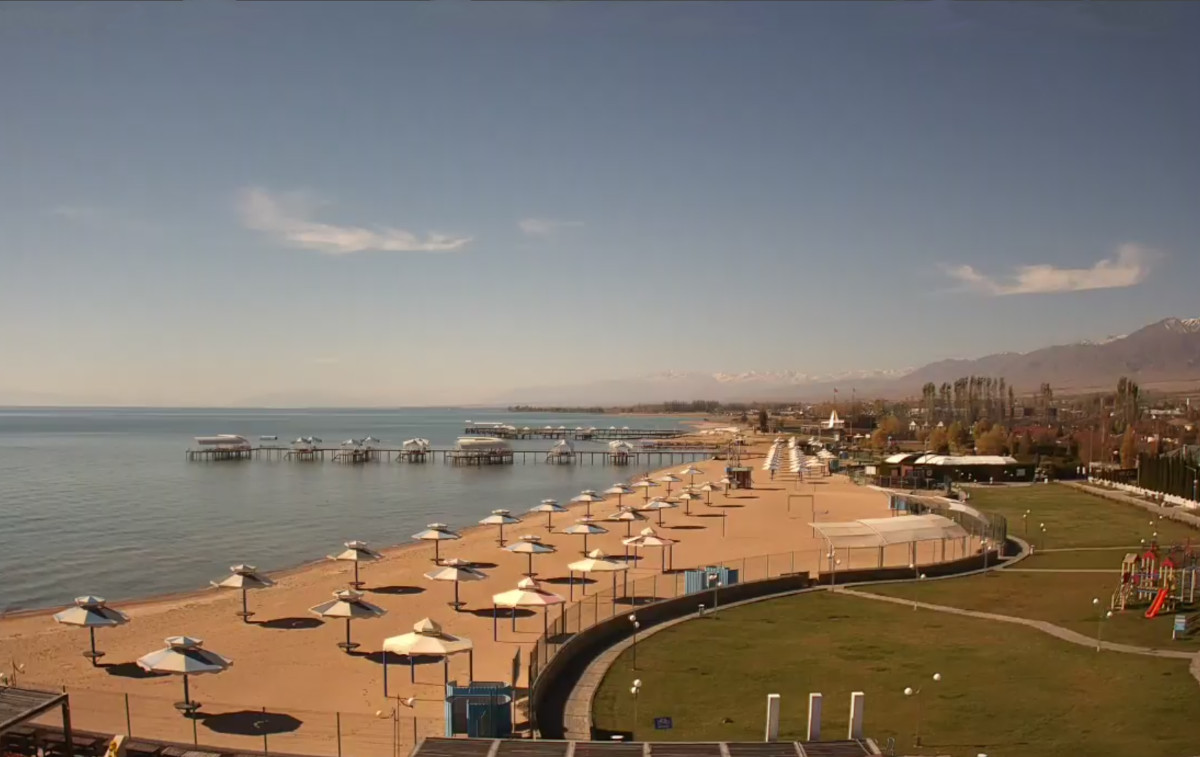
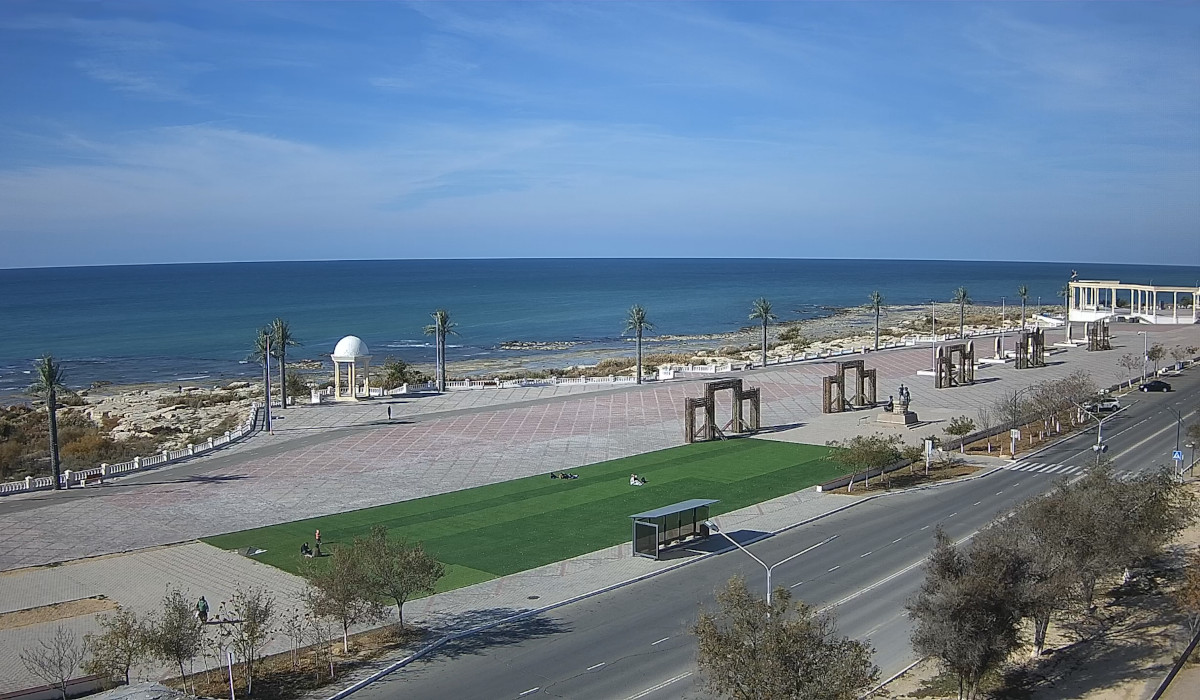
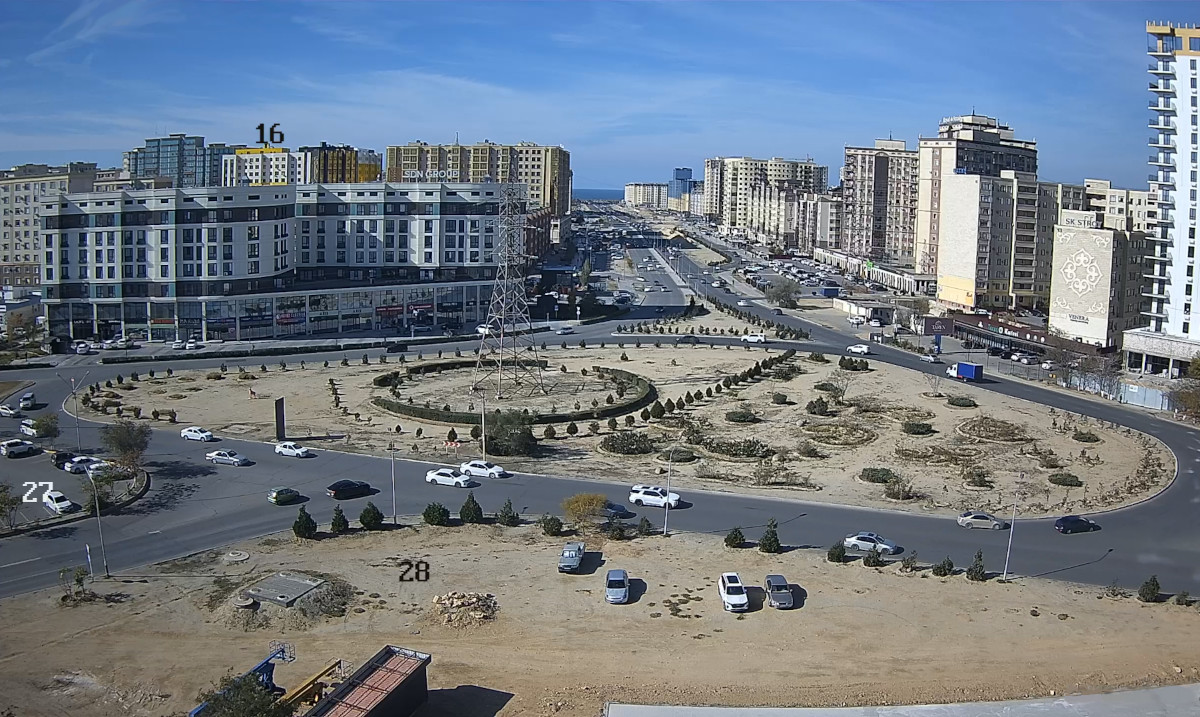
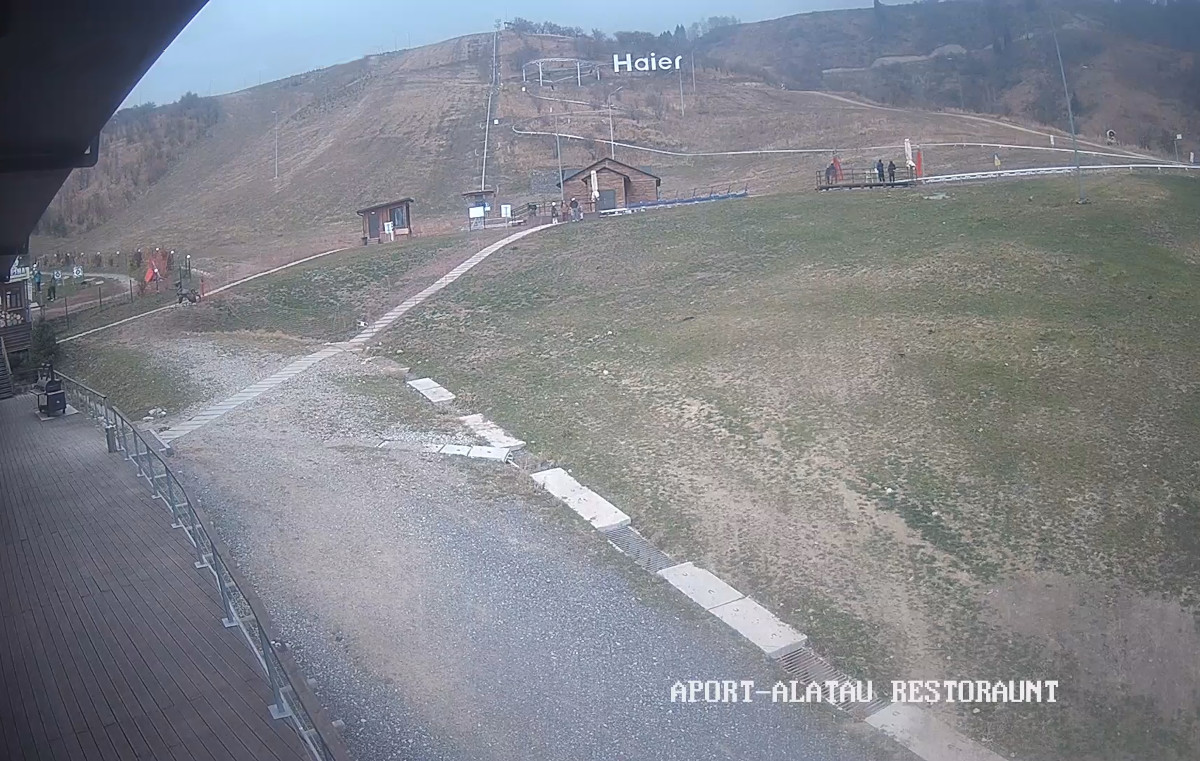
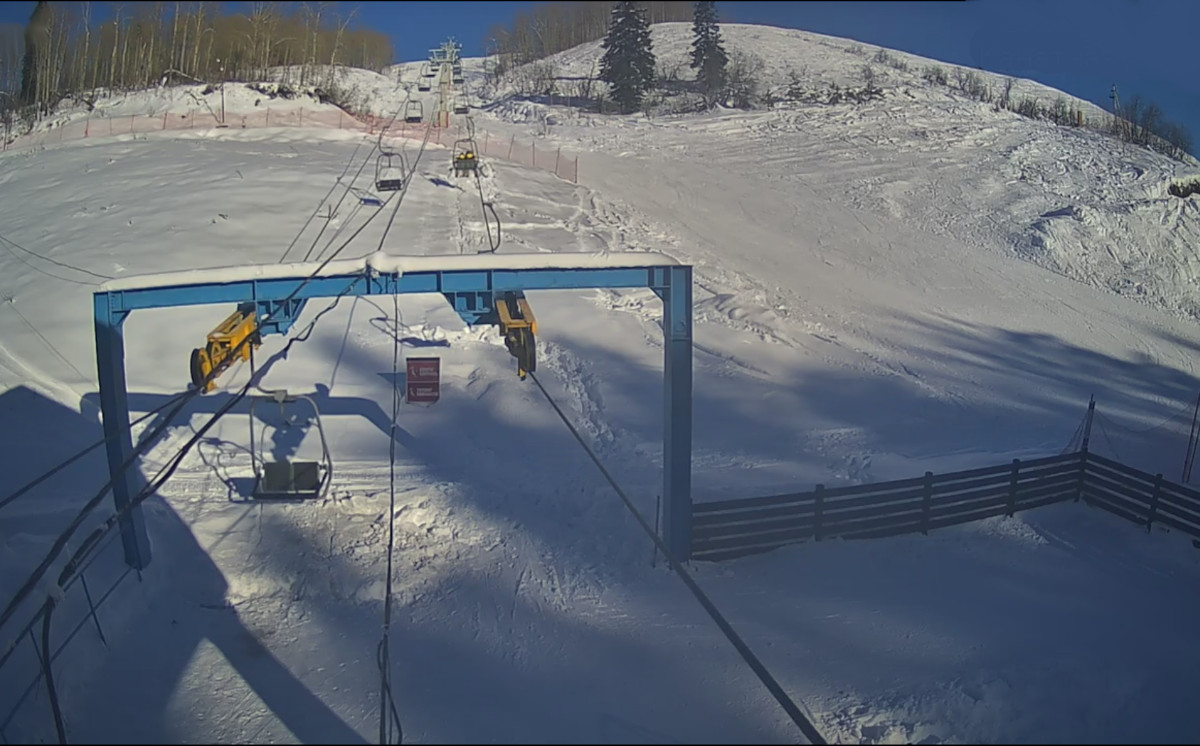
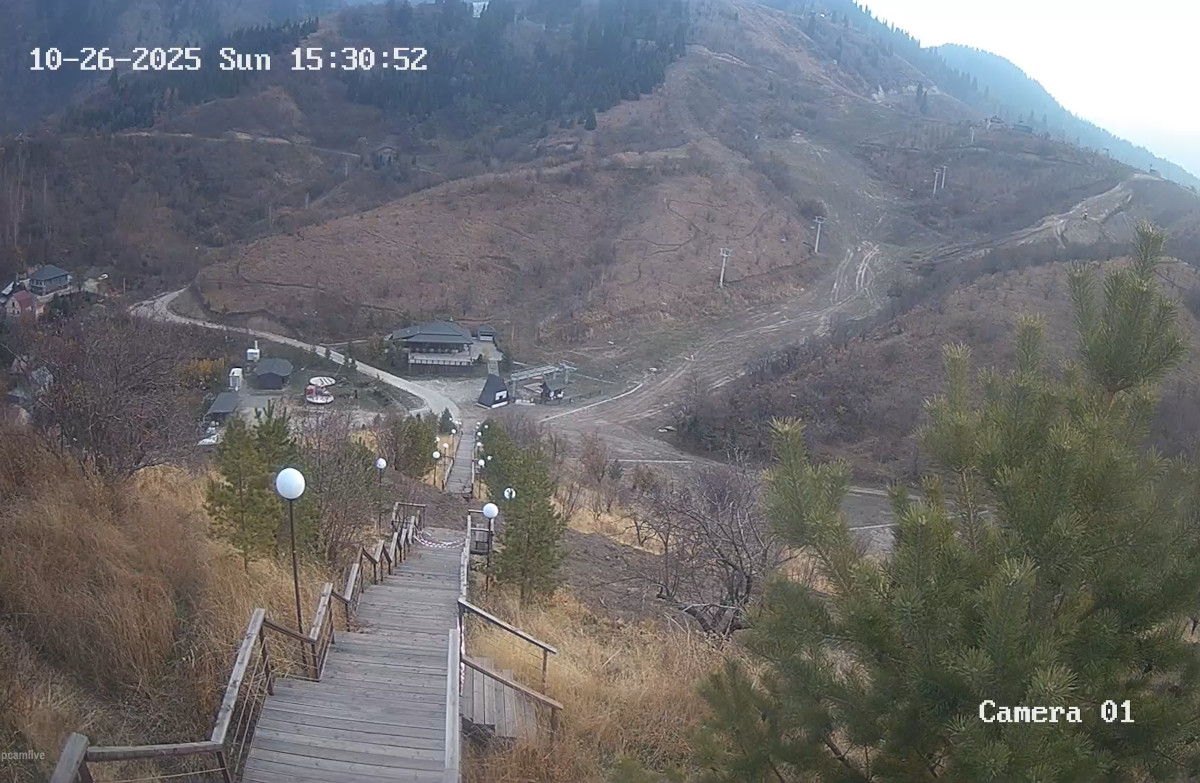
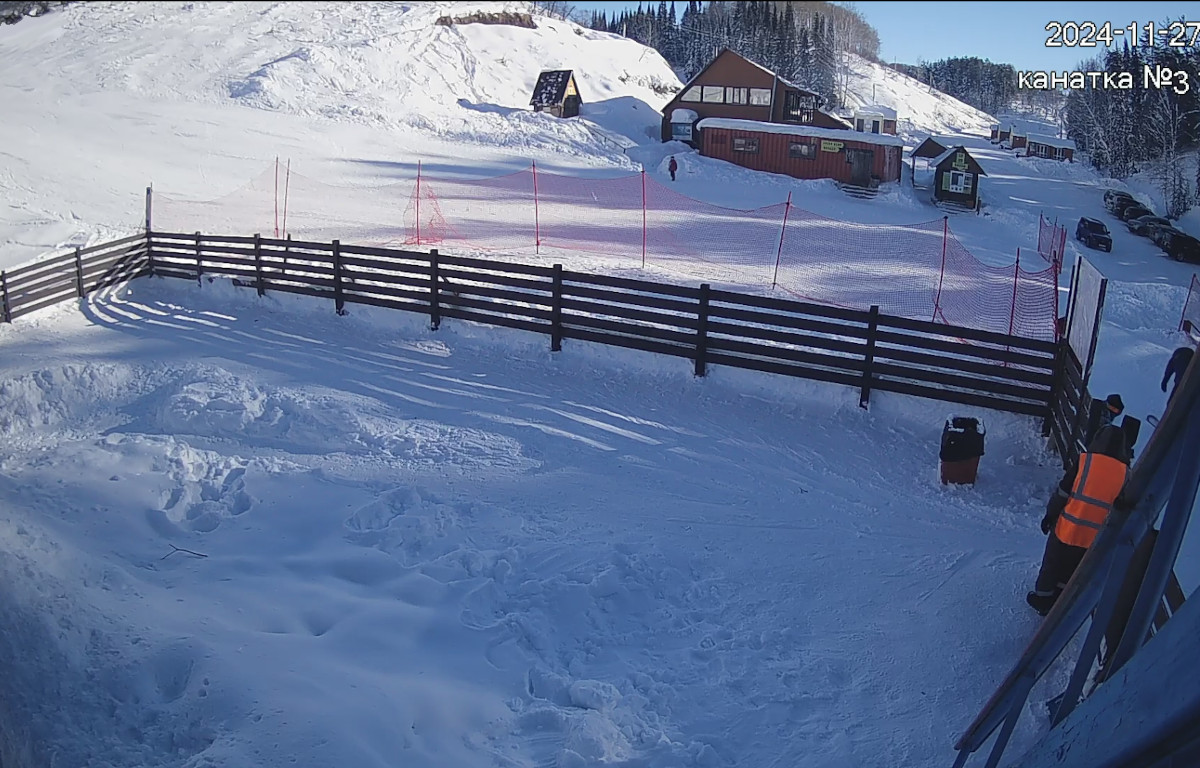
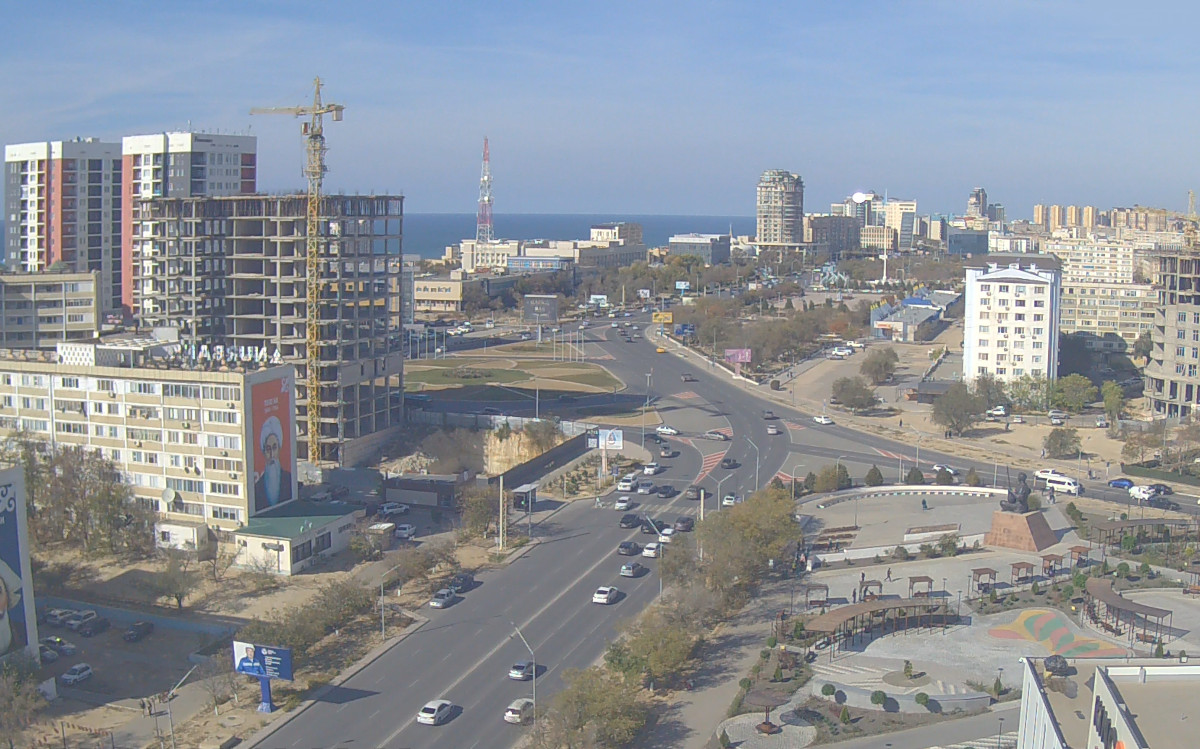
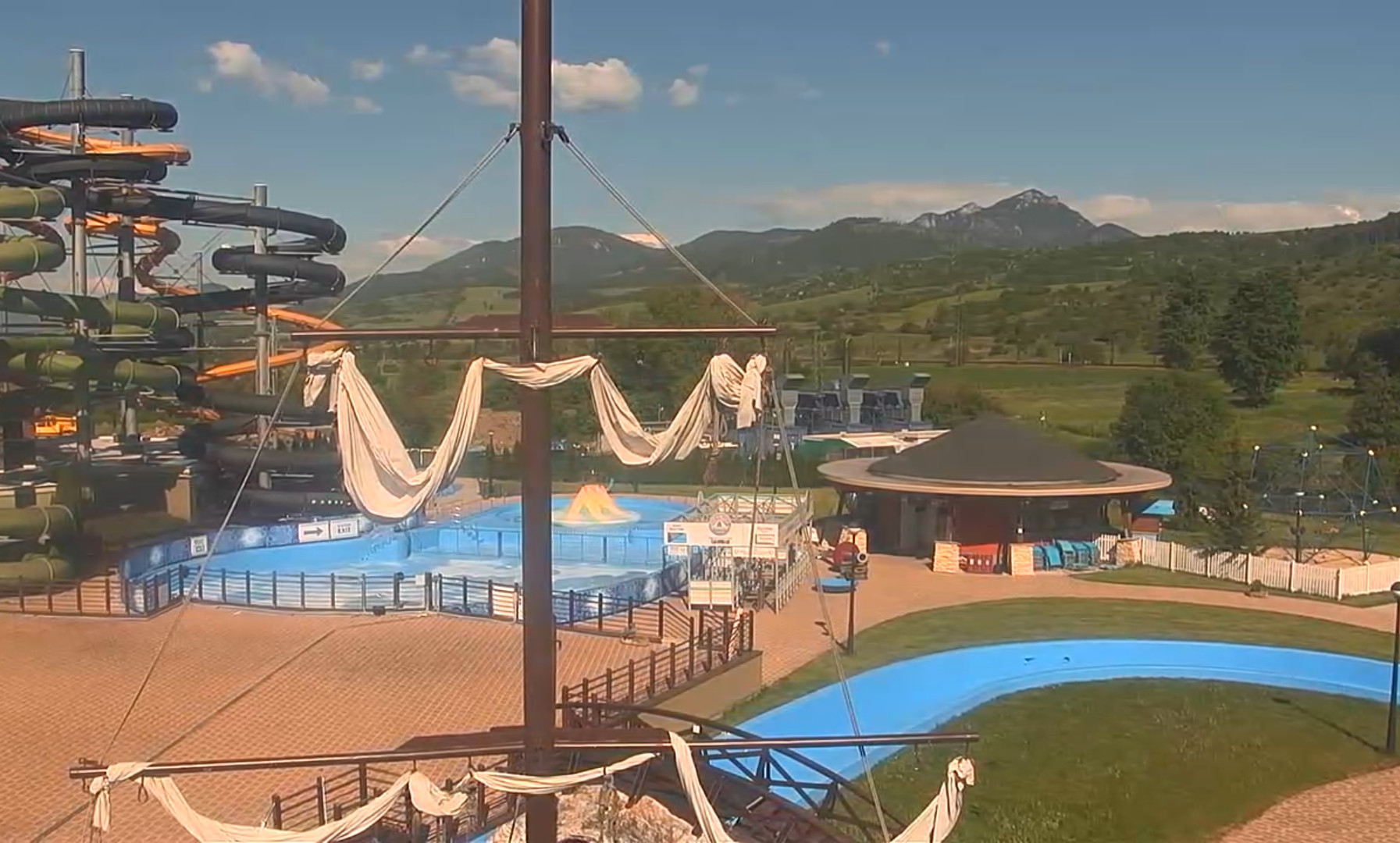
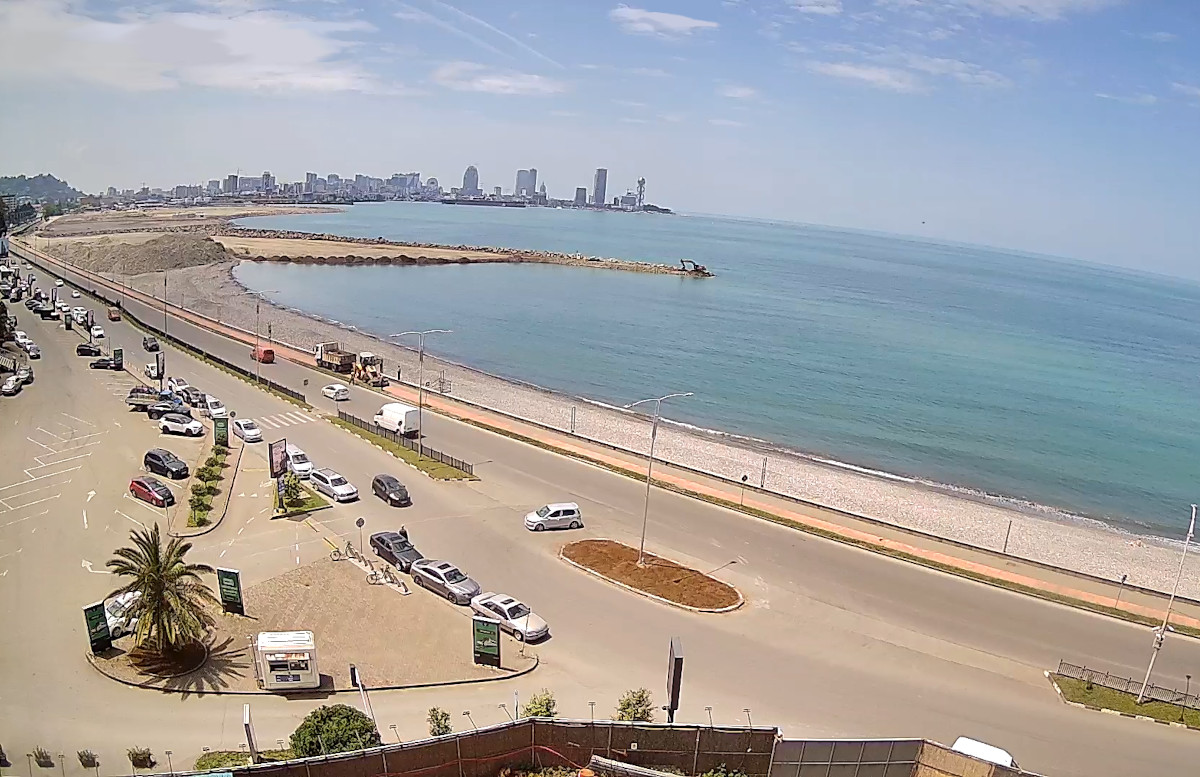
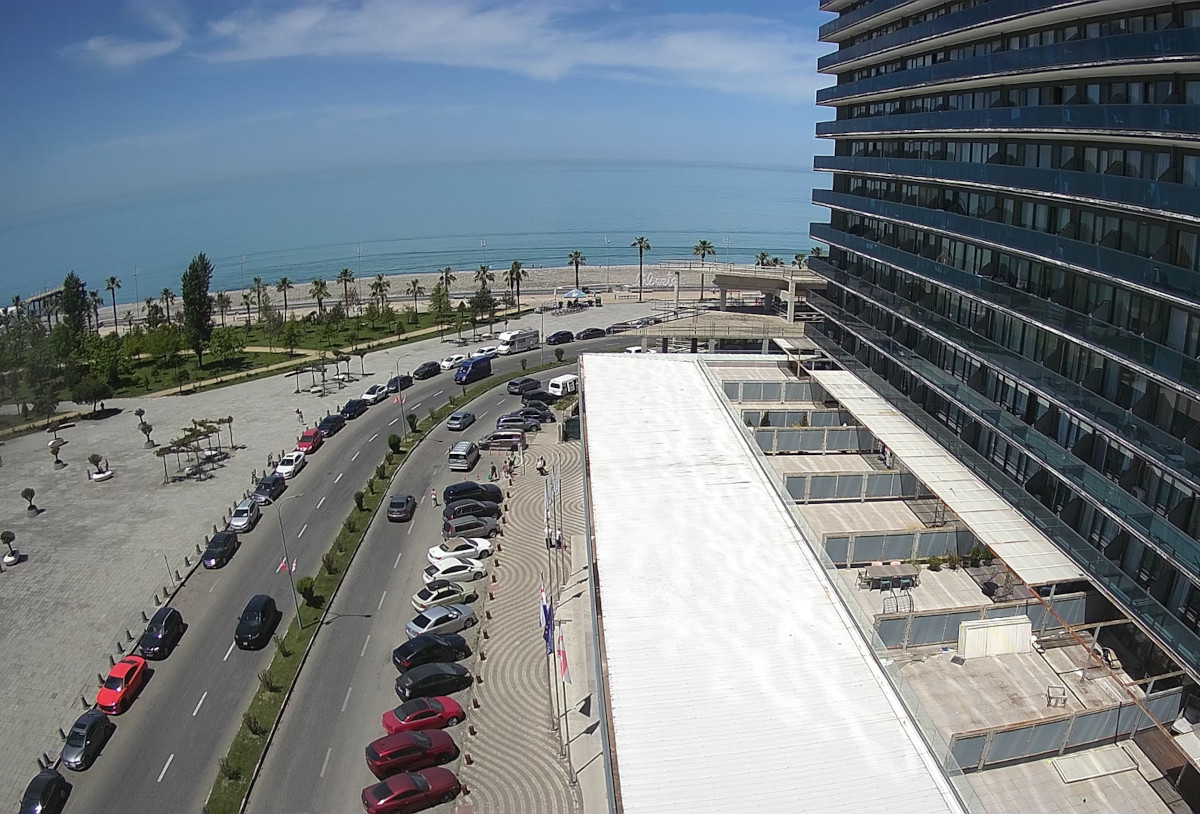
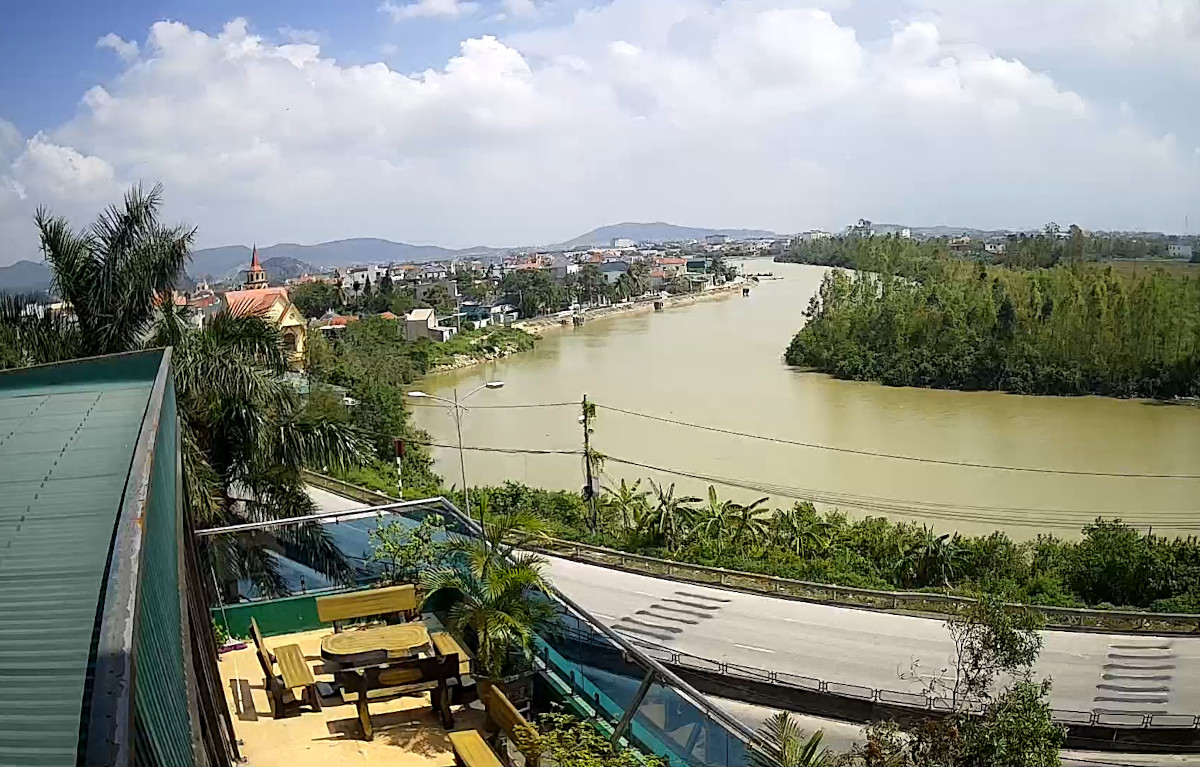
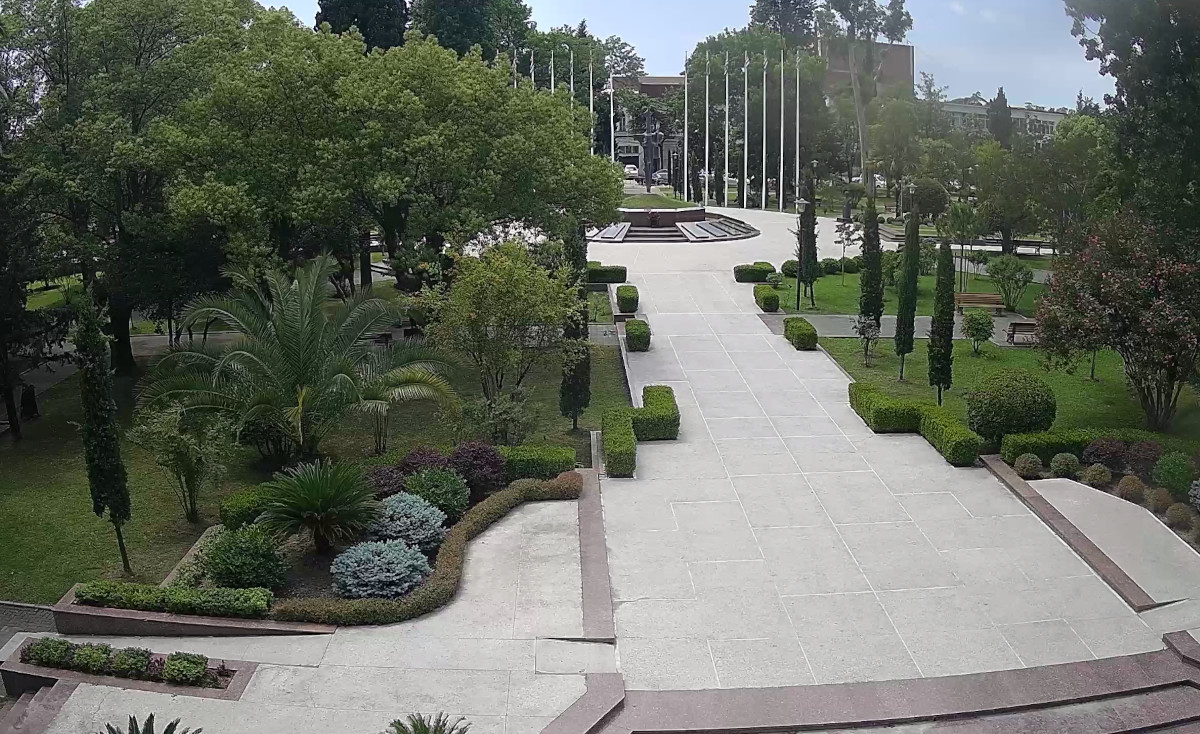
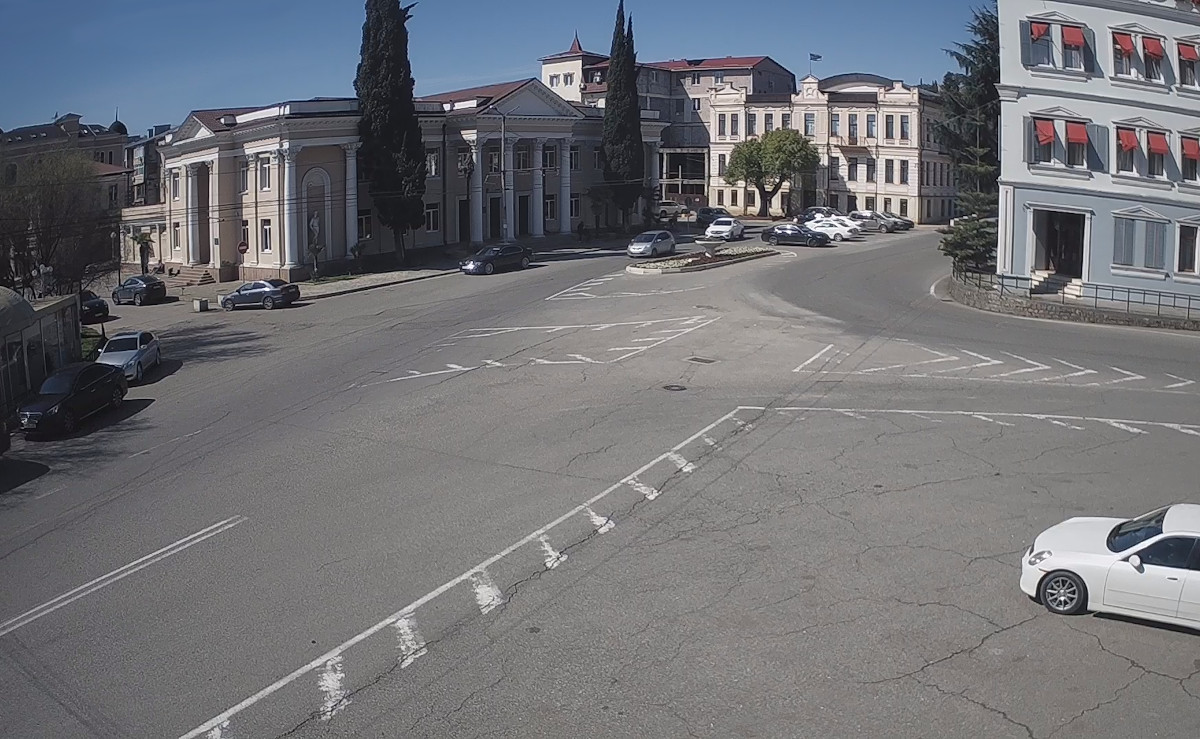
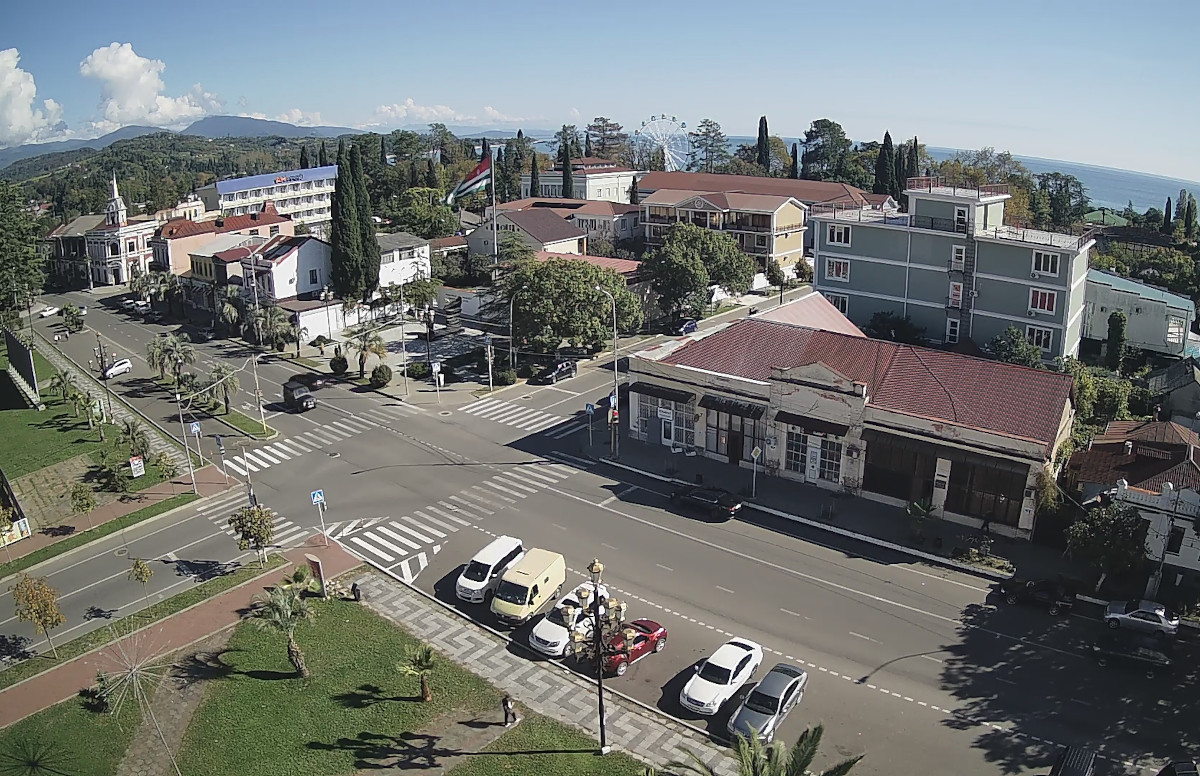
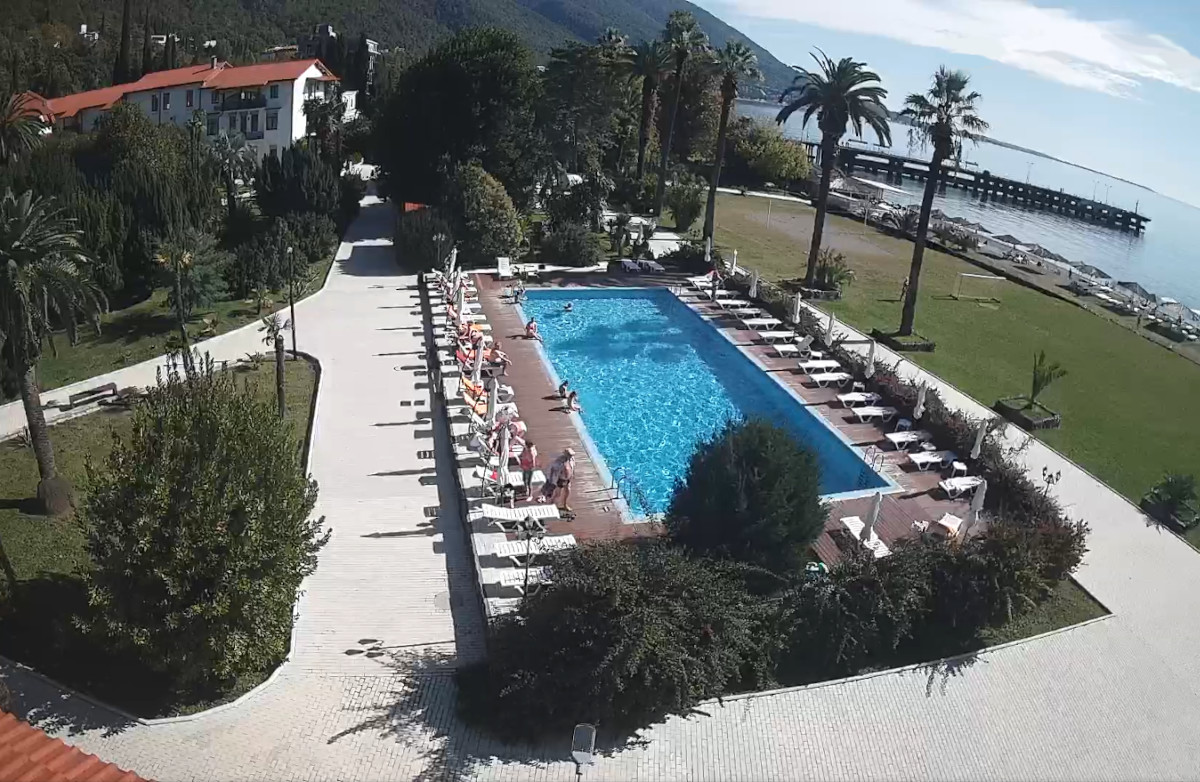
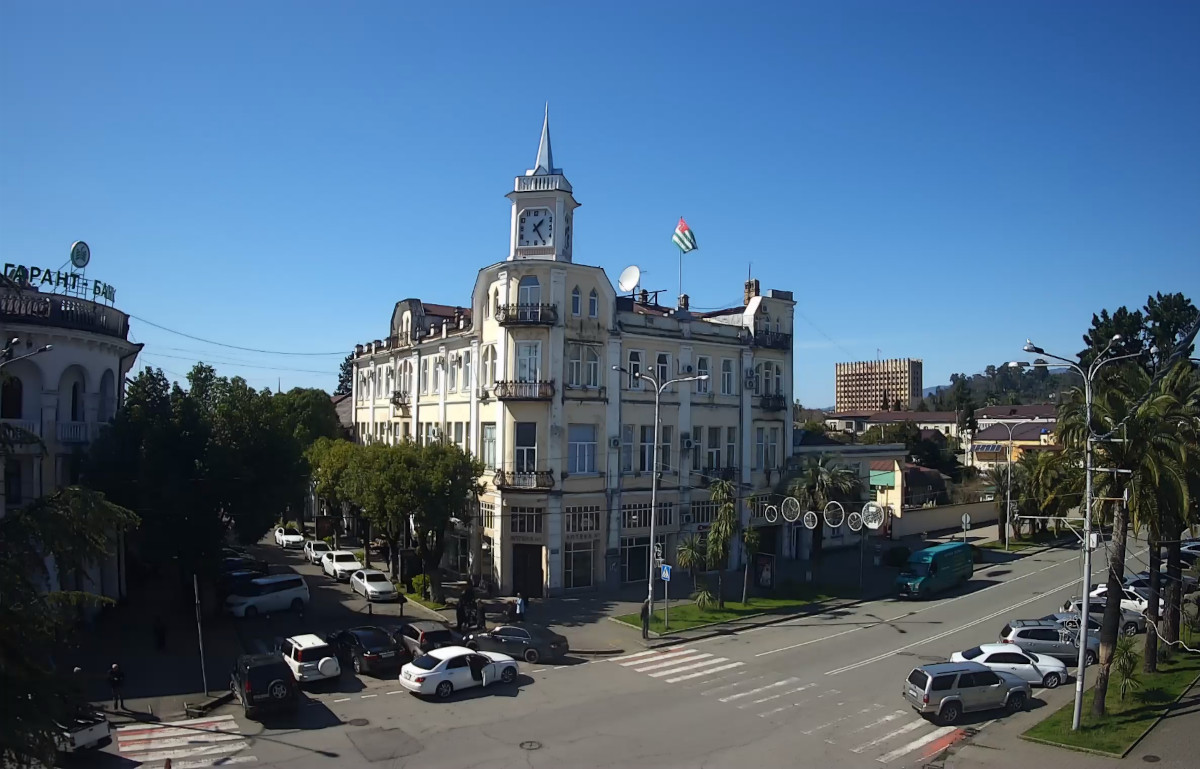
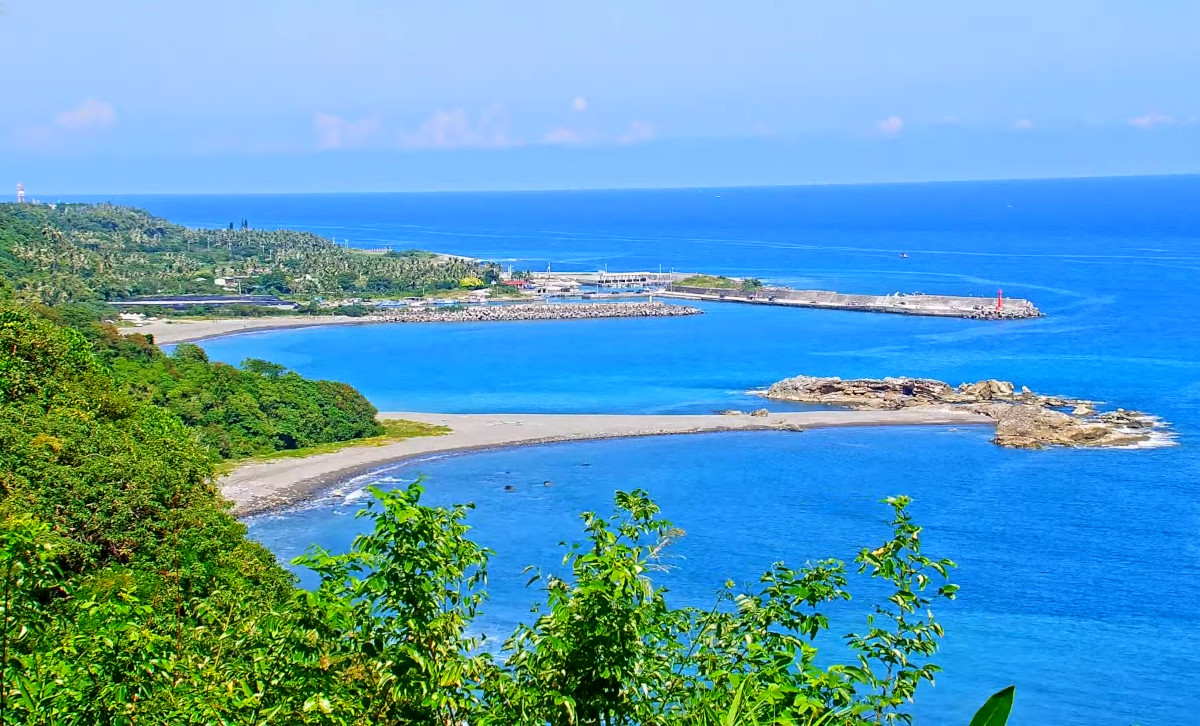
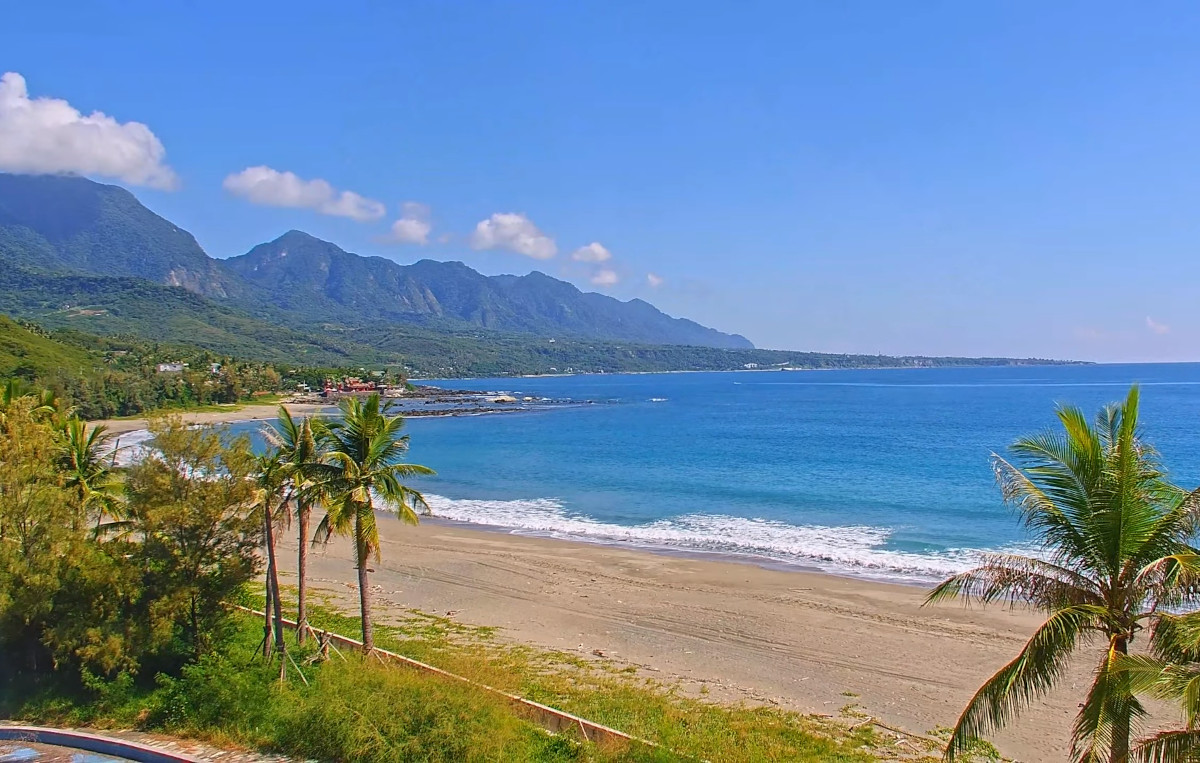
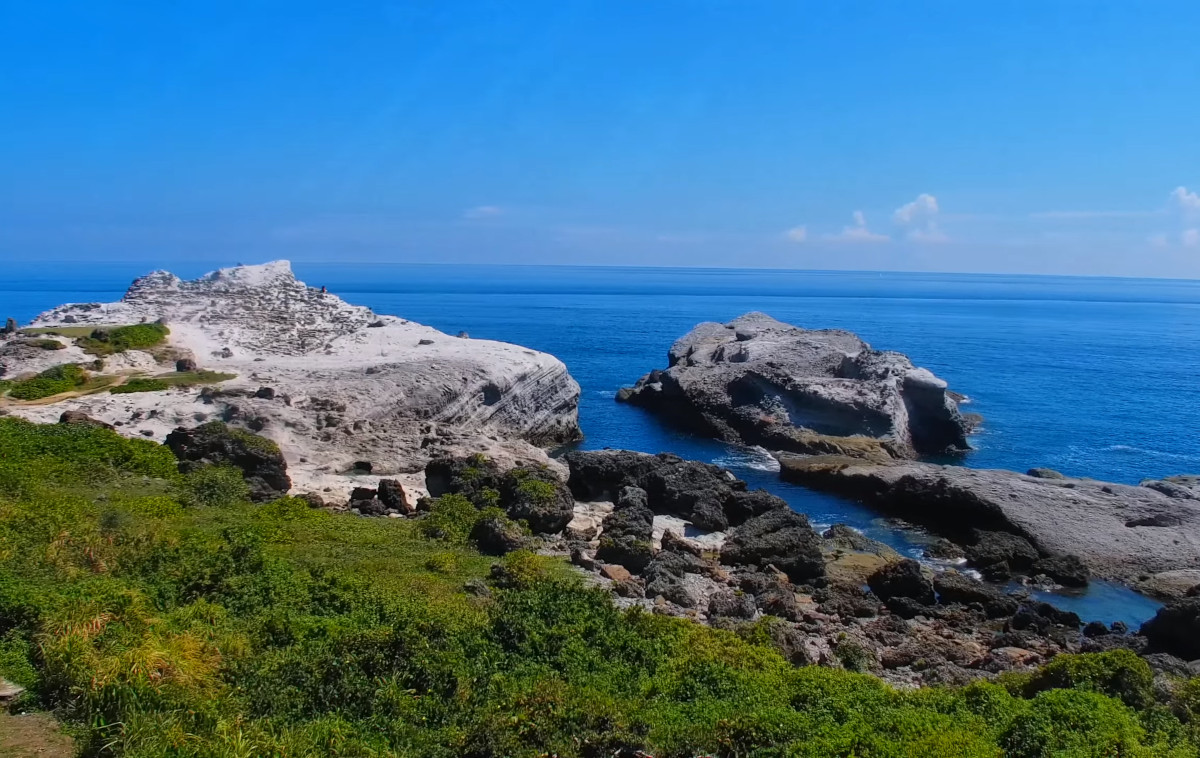
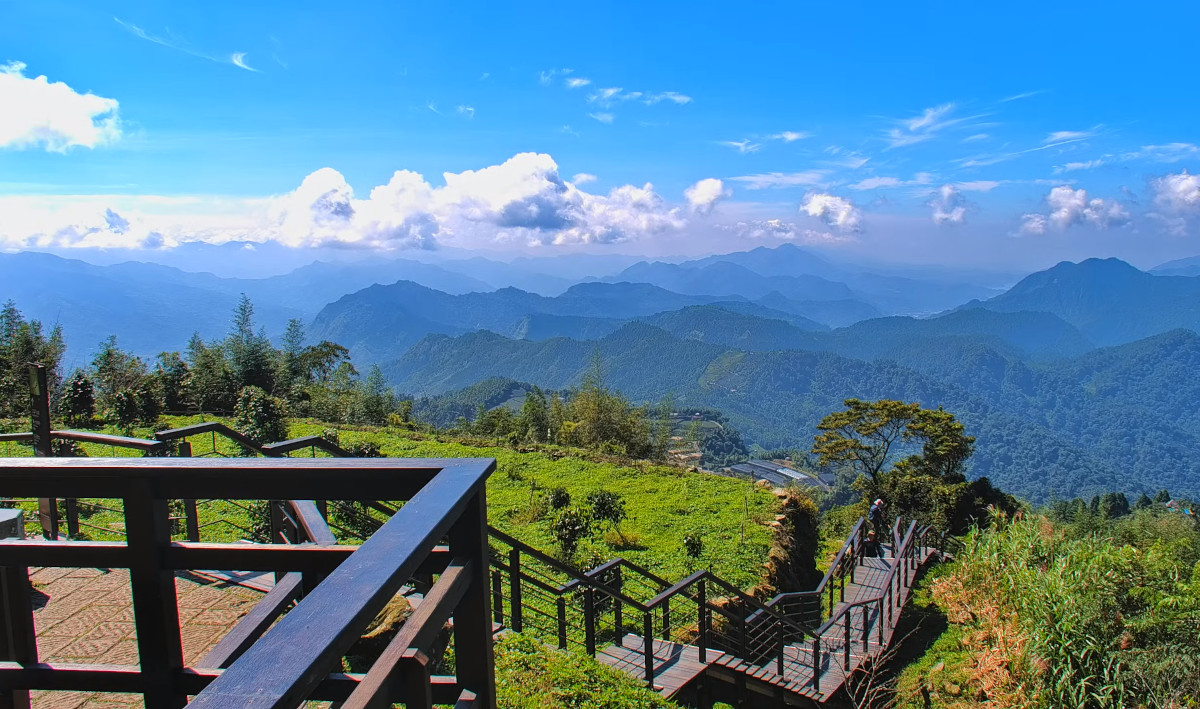
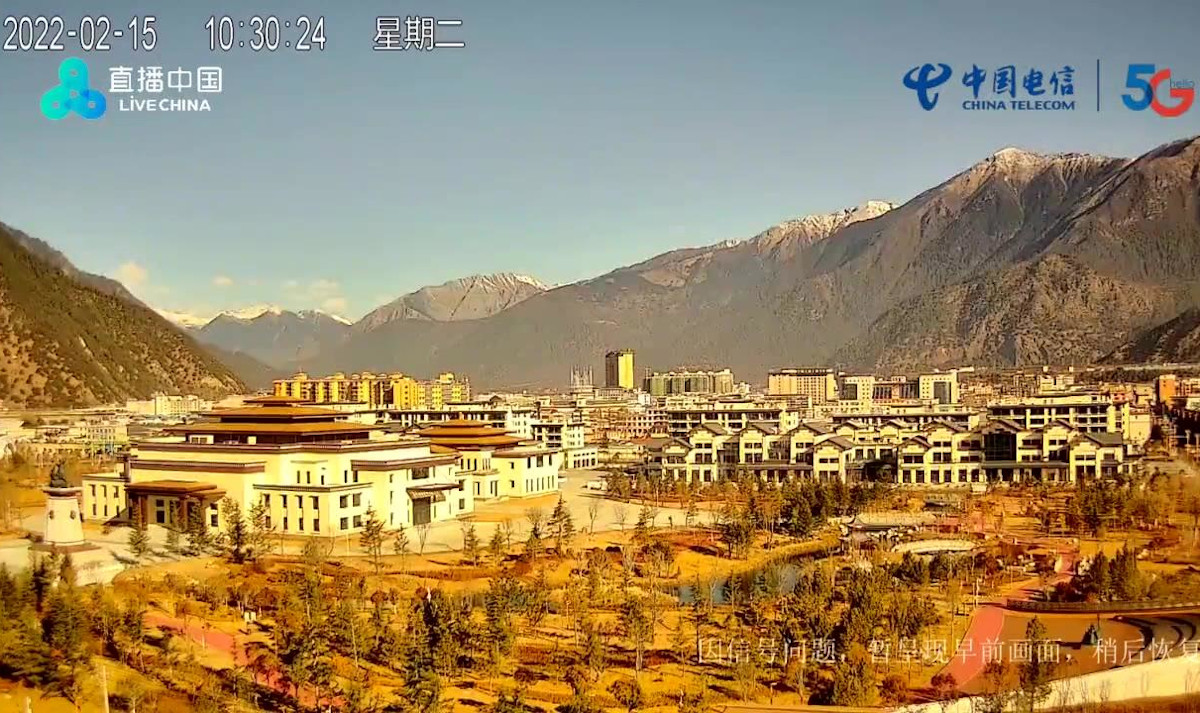
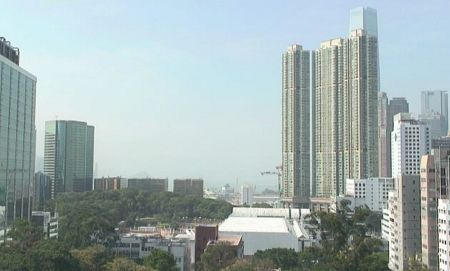
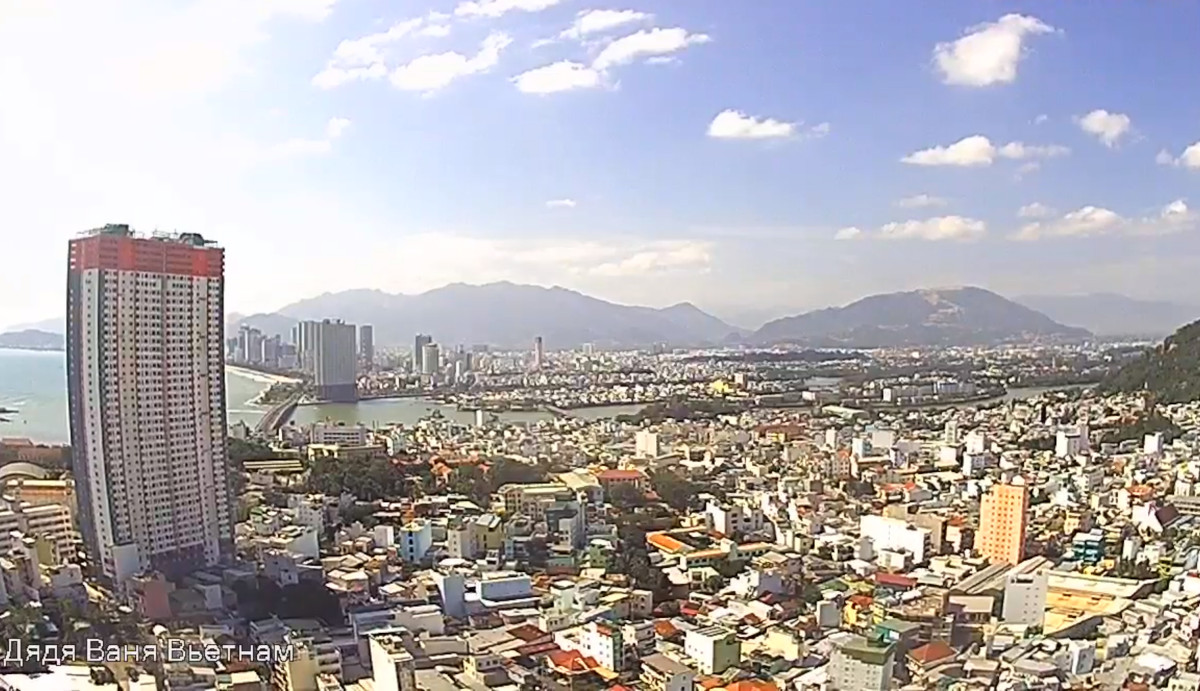
Live webcam offers real-time views of a panoramic view of Jalal-Abad, Kyrgyzstan.
Jalal-Abad (Kyrgyz: Жалал-Абад, also spelled Jalalabat) is the third-largest city in Kyrgyzstan and the administrative center of the Jalal-Abad Region. It is located in the south of the country, near the border with Uzbekistan, at an elevation of about 765 meters (2,510 feet) above sea level, on the northeastern edge of the fertile Fergana Valley, approximately 770 km (480 mi) southwest of the capital, Bishkek. The city has a population of around 181,491 people and covers an area of 64.6 square kilometers (25 sq mi), making it the third-largest city in Kyrgyzstan after Bishkek and Osh. Jalal-Abad is surrounded by rich agricultural land, and the Kugart River, a right tributary of the Kara Darya, flows nearby.
Jalal-Abad has an ancient and storied history. The area has been inhabited for many centuries and played an important role as a trade hub along the old caravan routes. The city’s name is associated with Jalal-Abad-Ata, a Sufi saint who, according to legend, founded local healing resorts known for their therapeutic mineral springs. These springs have been famous since ancient times for their high hydrogen sulfide content, which is believed to benefit the skin and musculoskeletal system. Modern Jalal-Abad was officially founded in the late 19th century, during the Russian expansion into Central Asia.
Thanks to its mineral springs and warm climate, Jalal-Abad is now a major tourist destination in Kyrgyzstan, featuring numerous resort zones. One of the region’s main natural attractions is the Jalal-Abad Resort, renowned for its hot mineral springs that attract both tourists and locals seeking therapeutic treatments. Nearby, visitors can also explore the picturesque Chatkal Mountain Range, which offers beautiful landscapes and opportunities for hiking and ecotourism.
The climate in Jalal-Abad is sharply continental, with hot summers and cool winters. Summer temperatures often reach +35°C (95°F) or higher, while in winter, the average temperature is around –5°C (23°F), occasionally dropping to –10°C (14°F). Precipitation is unevenly distributed throughout the year — winter and spring are the wettest seasons, while summer tends to be dry and hot. The region has a long growing season, which supports high agricultural productivity.
The economy of Jalal-Abad relies heavily on agriculture, trade, and industry. The region is known for cultivating fruits, vegetables, and cotton, as well as for food production and agro-processing industries. Jalal-Abad is also an important transportation and logistics hub, connecting Kyrgyzstan with neighboring countries such as Uzbekistan and Tajikistan. In addition, the city plays a key role in the tourism sector, thanks to its natural attractions, mineral spas, and scenic mountain landscapes.